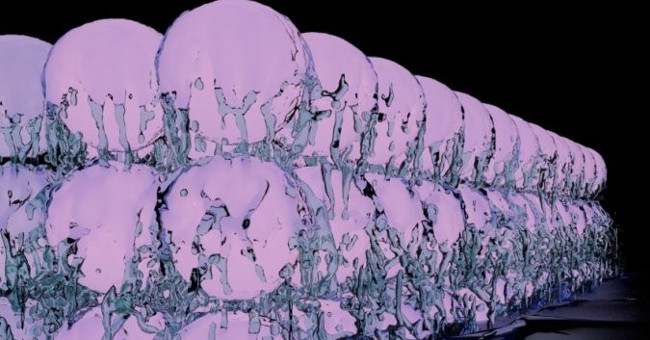
New technology
Scientists create a new physical state - both solid and liquid
Scientists from Switzerland and the US have announced the creation of a supersolid - a strange form of material that combines solidity and superfluidity simultaneously.
Browse ScienceInfo articles and explainers related to Creation.
142 published items.
Scientists from Switzerland and the US have announced the creation of a supersolid - a strange form of material that combines solidity and superfluidity simultaneously.

The idea of flying cars is being turned into a reality by technology companies, with the creation of devices that can act as cars, but are ready to take off like aircr…
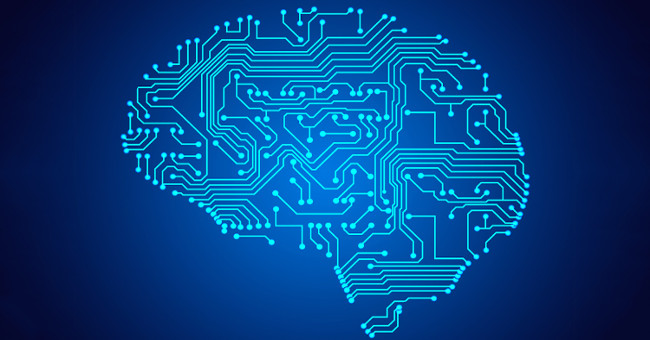
Machines will be able to replace the whole person during the main creation process

According to the Slashgear technology page, the work, melody and lyrics of a computer was released by the University of Toronto recently.
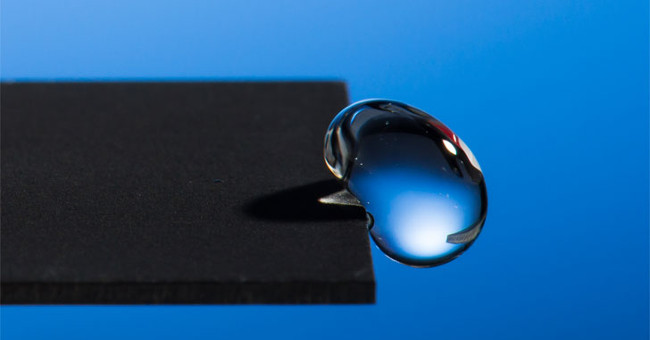
This new method of metal production is a precursor to the creation of effective self-cleaning materials and never to be corroded.
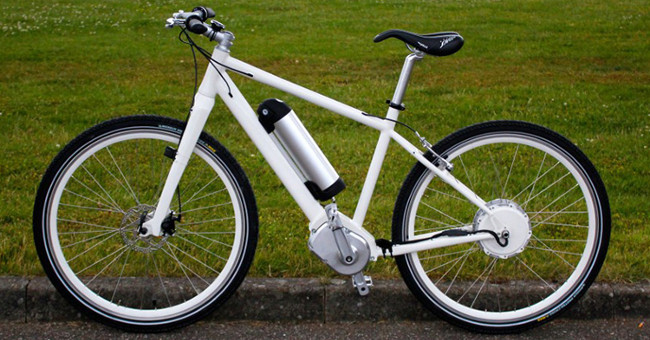
Bike2 is a Danish company solution that allows the creation of bicycles without the use of traditional chains.

Scientists and meteorologists from Nevada have been involved in the research and creation of the world's first automated man-made rain engine - using unmanned aerial veh…
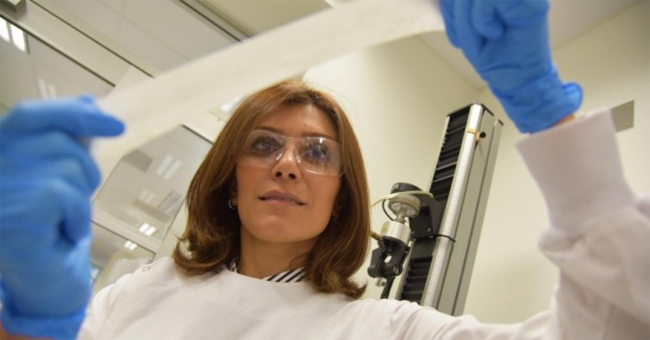
Micro fiber extracted from grass allows the creation of tougher condoms and is less than 45 microns thick.
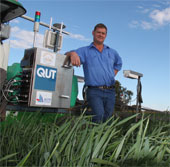
An Australian farmer has announced the creation of a grass-plowed robot that promises to revolutionize agriculture around the world.
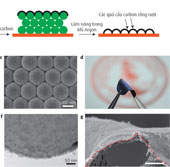
Until now, the creation of a small, high-performance, low-cost, and low-cost battery generation has always been a target of research for scientists around the world.
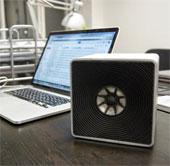
Russia's Cubic Robotics has completed the creation of a VOIS operating system that allows it to control almost all voice devices.
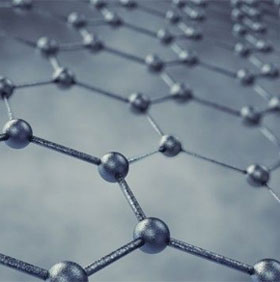
The method was developed in collaboration with the University of Illinois and a number of researchers from Korea.

That's why the scientists at the University of California at Irvine (USA) studied the creation of a garment
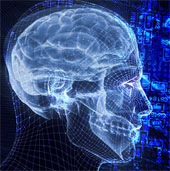
Swiss scientists have first created a chip that simulates how the human brain processes information.
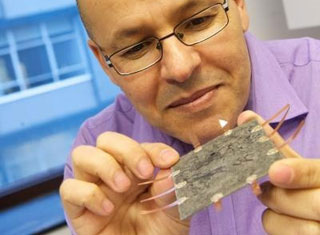
The new application of nanotechnology allows for the creation of a special paint that helps detect tiny cracks before they begin to spread.