Space science
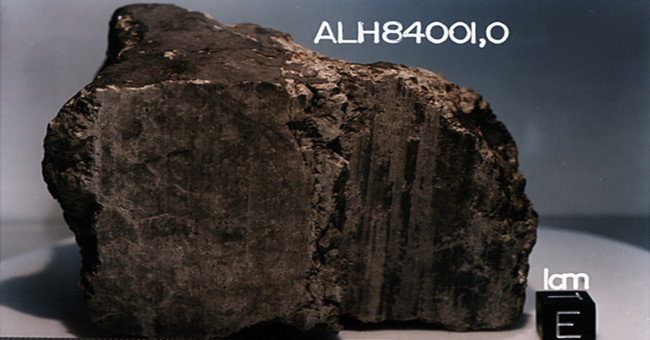
ALH84001 meteorite and life from Mars?
The last time you mentioned Mars you might have heard of NASA's Curiosity self-propelled ground and began exploring on Mars.
Browse ScienceInfo articles and explainers related to Curiosity.
220 published items.
The last time you mentioned Mars you might have heard of NASA's Curiosity self-propelled ground and began exploring on Mars.
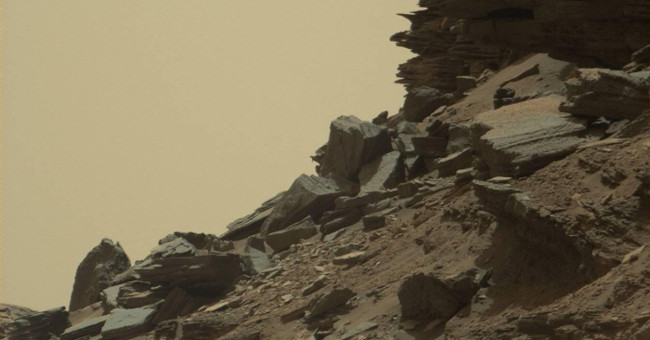
It is expected that this unmanned self-propelled vessel will be launched on Mars in July and August 2020.
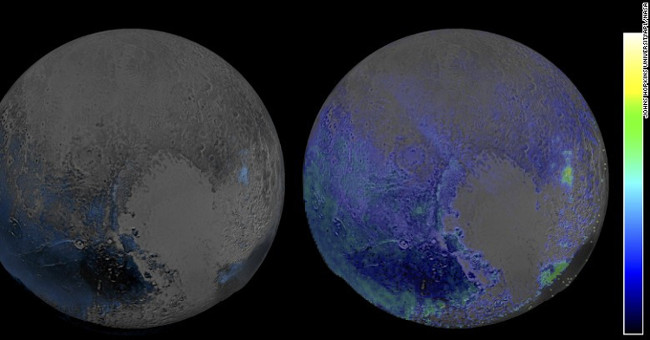
Over the years, NASA has deployed a series of space missions with the ambition of exploring the mysteries in the Solar System, where the Earth belongs.
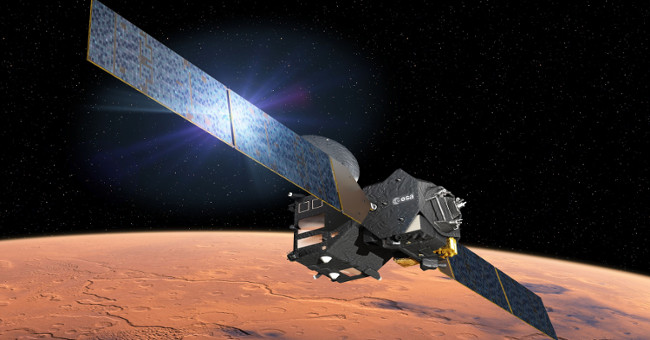
Over the past 50 years, some studies of the journey to explore Mars have yielded unexpected results but there are still things that remain unknown.
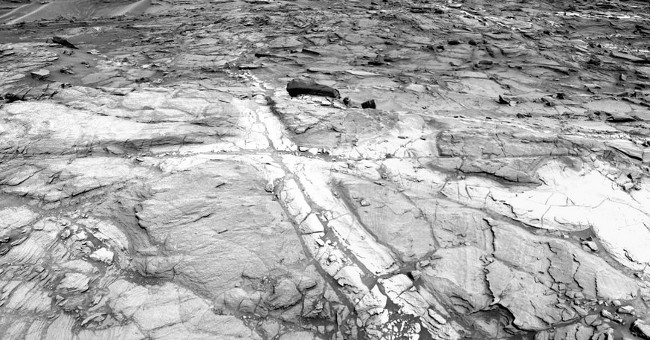
Water is likely to be present for a very long time on Mars, enabling life to grow.
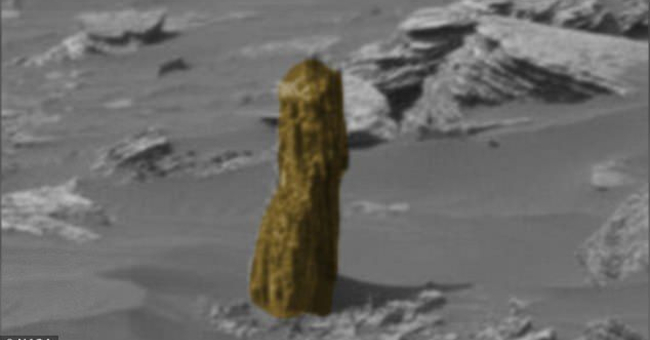
UFO hunters claim to find the fossil record of a tree trunk on Mars, indicating that the red planet once covered greenery.
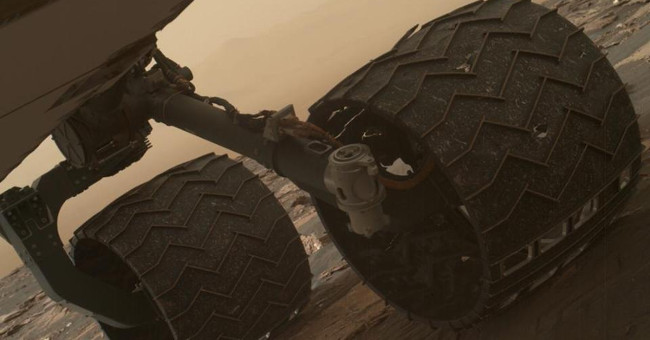
NASA published photos show that the middle wheel on the left of the Curiosity probe breaks many sections due to the complex terrain on Mars.
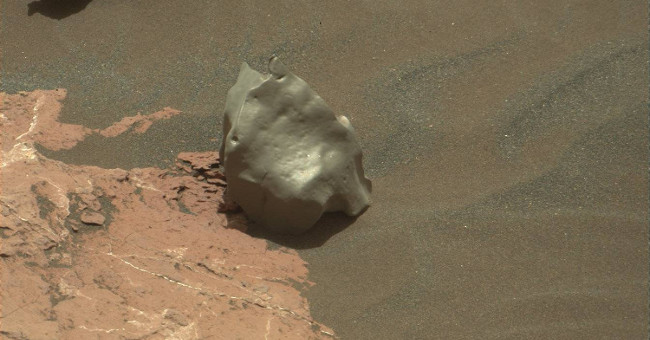
NASA's Curiosity probe stumbled upon a rock that seemed to fall from outer space to Mars.
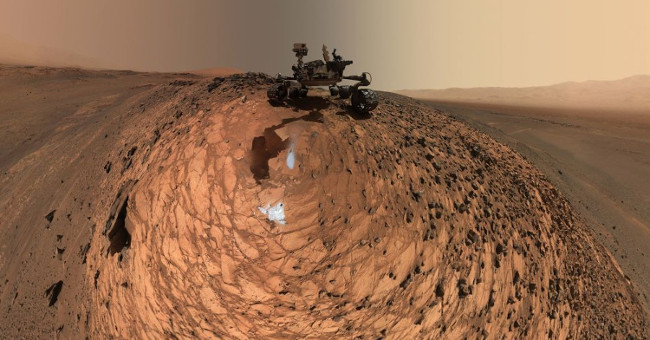
Through photos taken by the Curiosity self-propelled vehicle and recently announced by NASA, UFO researchers show new evidence of alien existence.
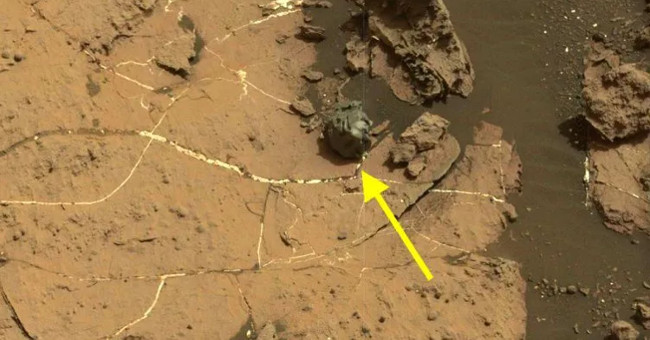
NASA's Curiosity robot finds an unusual piece of smooth metal meteorite as if it were grinding on the surface of Mars.
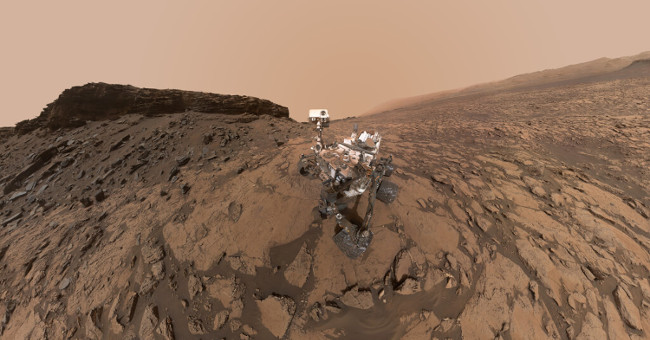
The US Aerospace Agency announced on October 3 that Curiosity continues its journey towards Mount Sharp on Mars's surface - part of the mission that has been extended fo…
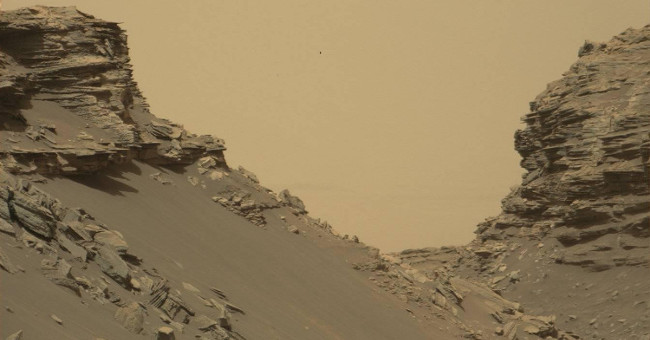
The little Curiosity robot is exploring the foot of Sharp Mountain on Mars, and has just sent home commemorative photos during his long journey.
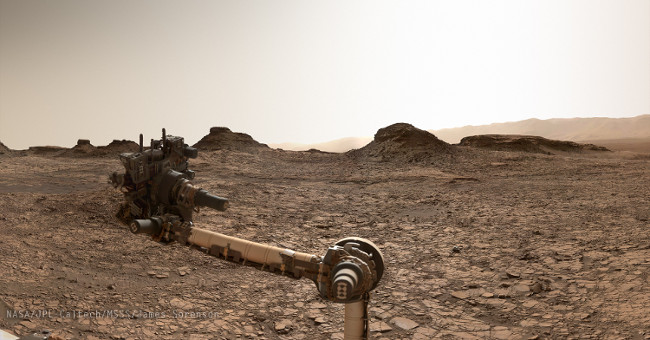
The latest panoramic image sent by NASA's Curiosity robot shows that the Martian surface is very similar to the southwestern United States.
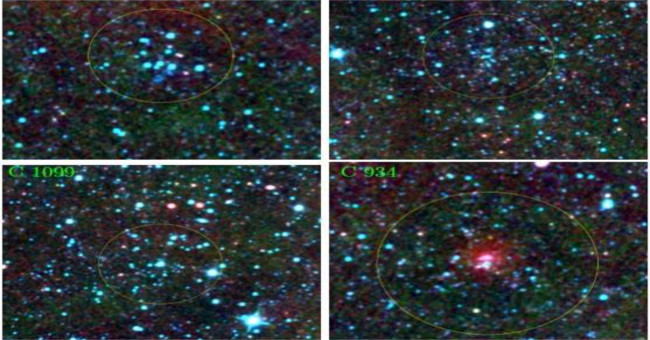
The galaxy's ring disc suddenly appeared 7 curious curiosities of attention.
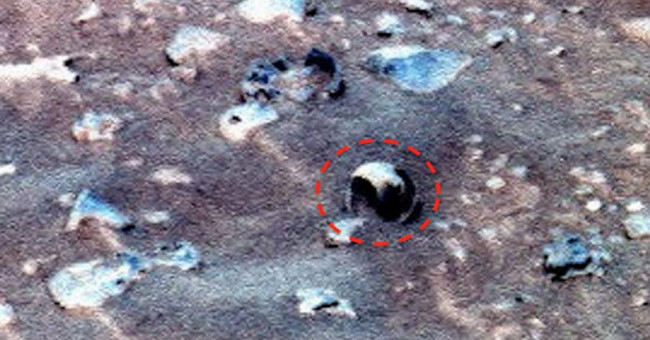
The scalloped image of the Martian surface, captured by NASA's Curiosity, proved the red planet's ocean once lived.