Discover science
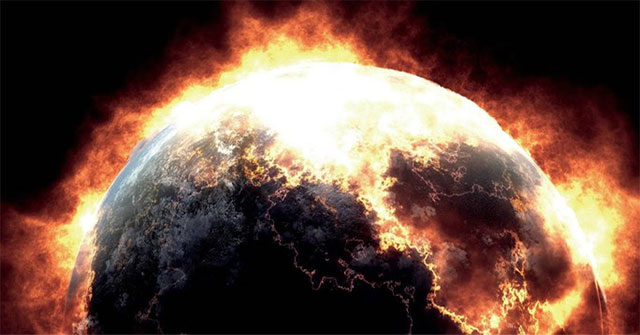
We face 'life source from hell' every day without knowing it?
Research just published in Nature Geoscience shows the incredible way Earth managed to become a planet rich in life.
Browse ScienceInfo articles and explainers related to Day.
2,411 published items.
Research just published in Nature Geoscience shows the incredible way Earth managed to become a planet rich in life.

Christmas is known as the holiday celebrating the birth of Jesus, however not everyone knows which country Christmas originated from.

Although Empress Dowager Cixi only ate 20 eggs a day, the chefs bought and prepared 500. So who were the remaining eggs for?
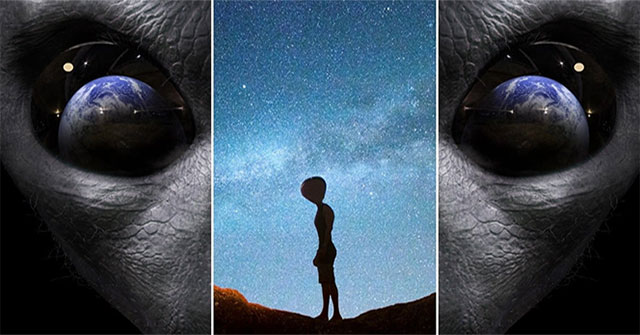
Have you ever wondered what they would be like if we actually encountered aliens one day?

To this day, the painting
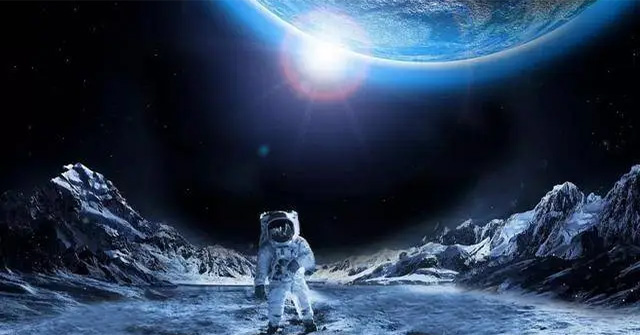
According to astronomers, the average distance between the Earth and the Moon is about 384,000km. So how many days on Earth is 1 day on the Moon?

Recent research conducted jointly by Israel and France has found that intermittent fasting activates key genes and liver-boosting factors, making the liver function more…

None of us can say we are unaffected, in one way or another.

The winter solstice is the day of the longest night of the year in the northern hemisphere, and the shortest night in the southern hemisphere.
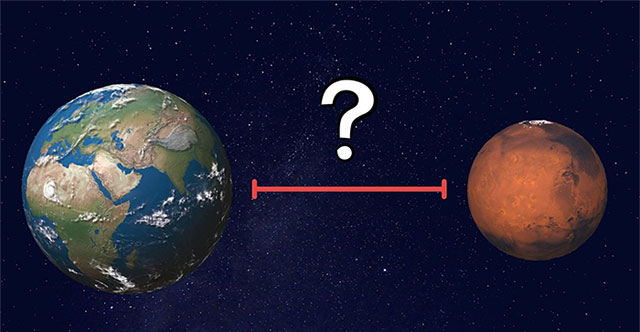
Imagine a day when our familiar Moon is no longer in the sky. Instead, Mars - the mysterious red planet - becomes Earth's only natural satellite.
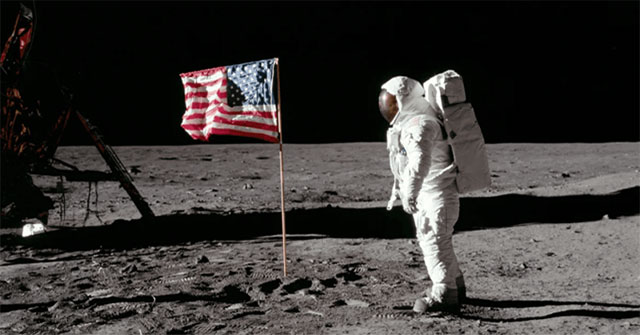
All NASA astronauts landed on the Moon during the day, when it was too bright to see stars with the naked eye, and they didn't intend to take pictures of the stars.
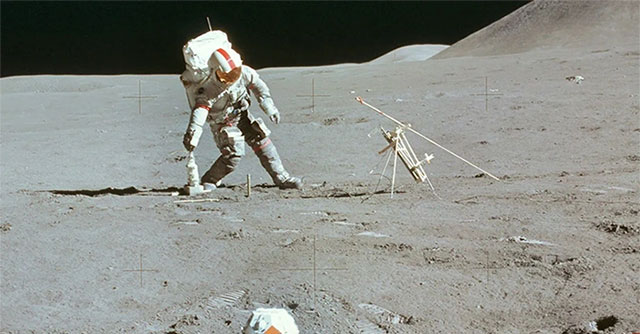
Time on the Moon runs 56 microseconds faster than on Earth. This can cause a positioning error of up to 17 km per day.
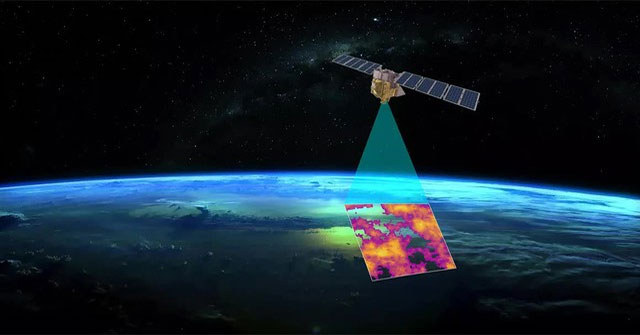
High above Earth, a satellite orbits the planet every day. It hunts for leaks of methane—an invisible, superpolluting gas that is dramatically warming the planet.

According to weather forecast, the cold air is likely to return to our country this weekend (December 7-8). The weather in the North, including Hanoi, will turn cold and…
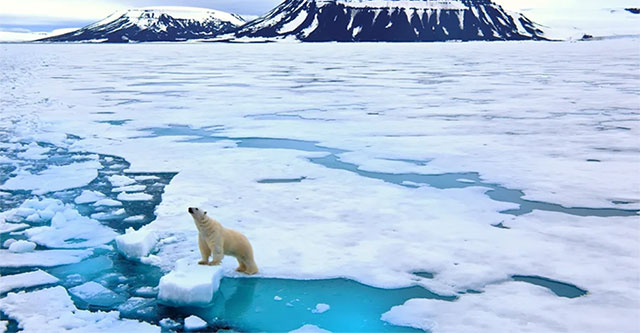
New research sounds the alarm: At the current rate of greenhouse gas emissions, the Arctic Ocean will have its first ice-free day in 2027.