Archeology
Musical instruments from pre-Columbian times
Scientists were stunned by the discovery of a human skeleton buried in an Aztec temple with a clay skull whistle in each hand.
Browse ScienceInfo articles and explainers related to Death.
2,004 published items.
Scientists were stunned by the discovery of a human skeleton buried in an Aztec temple with a clay skull whistle in each hand.
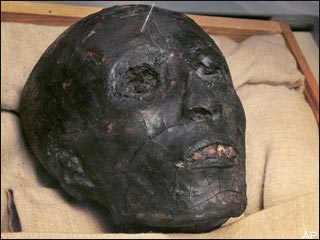
For the first time since the mysteriously mysterious death more than 3,000 years ago, the true face of the ancient Egyptian emperor Tutankhamun was displayed for public…
Forensic archeology is a emerging term associated with the strong development of criminal science and forensic science in recent years. In the most recent international…
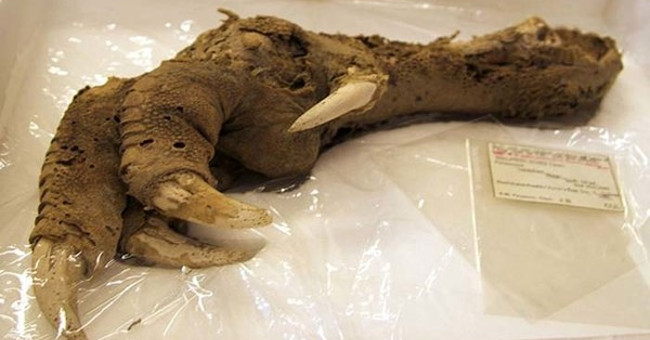
Some archaeological findings are formidable, drawing a terrible picture of life and death in the past.
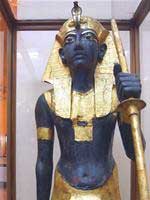
Egypt intends to take the X-ray of the mummy Pharaoh Tutankhamun in the hope of discovering the cause of the king's death. Pharaoh Tutankhamun ruled Egypt 3,000 years ag…
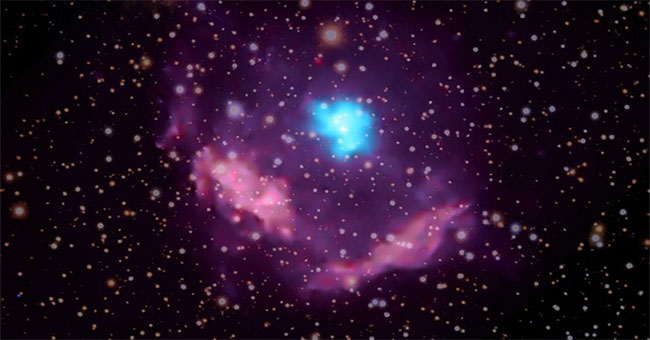
The first image was taken by Chandra X-ray Observatory of the US Space and Aeronautics Agency (NASA), showing the youngest pulsar that scientists have ever seen.
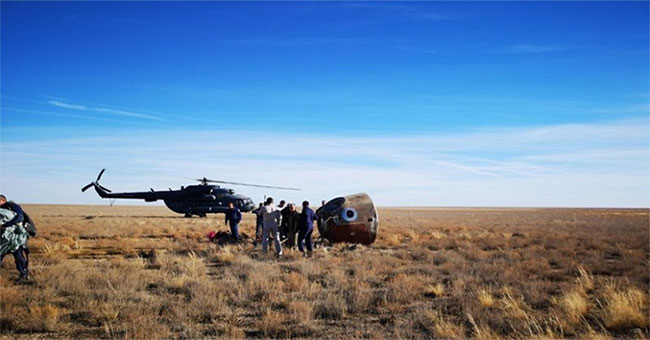
The rocket encountered a problem during the launch of the Soyuz MS-10 spacecraft, which caused the crew to make an emergency landing.

Before the history of the event that Americans first set foot on the Moon in 1969, NASA experienced tons of cruel aviation tragedy!
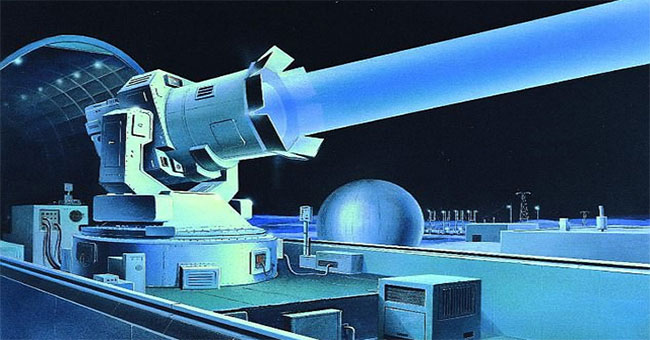
According to the Daily Mail, Russia is building a Death Ray fortress that can watch and destroy many targets in space.
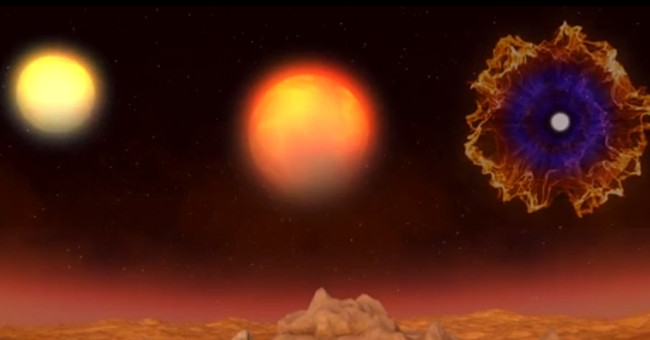
When the Sun dies, its core heats up fast enough to create observable planetary nebulae from a distance of two million light years.
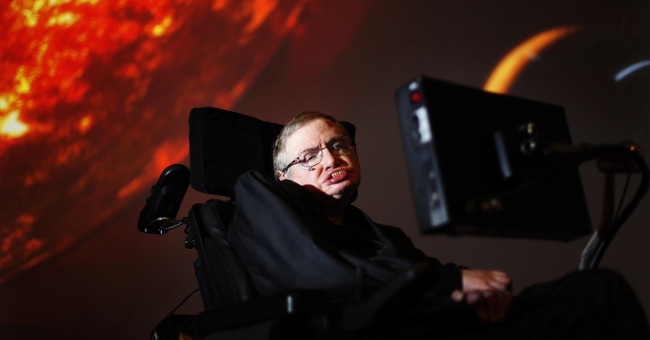
In this final work, Professor Hawking predicts that the universe will really end when stars run out of energy.
Stephen Hawking is the most famous scientist on the planet. His well-known book, A Brief History of Time, was released when it was released.
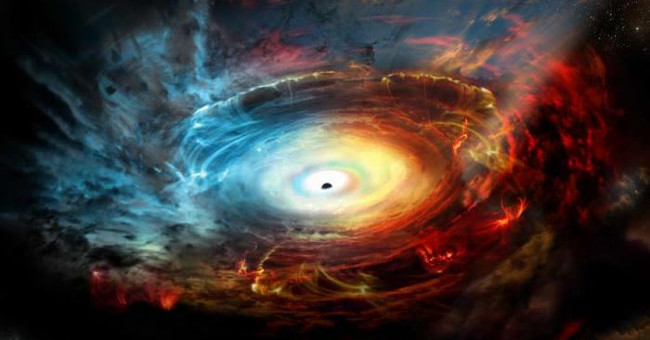
Hawking radiation is one of the most prominent works of Professor Stephen Hawking, helping decode the black hole and the origin of the universe.
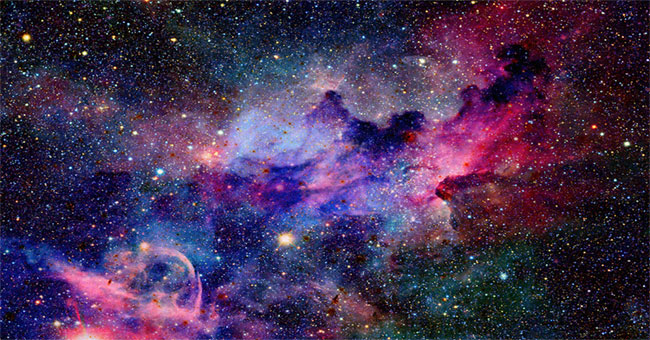
Recently, data from the Hubble Space Periscope has been used by aerospace experts, to analyze a phenomenon we can first observe
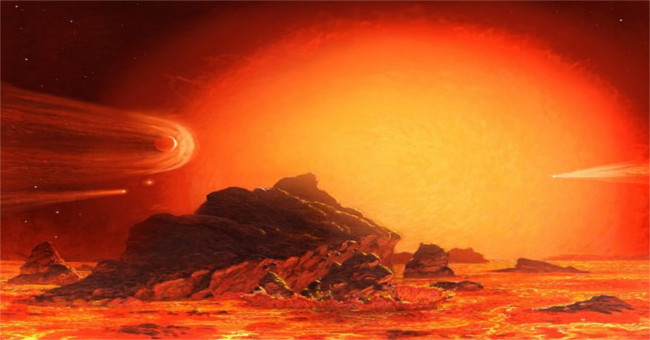
This giant red star, called pi1 Gruis, is covered by a convection region, formed in the final stages of a star's life cycle.