Space science
The first outfit for the Moon astronaut
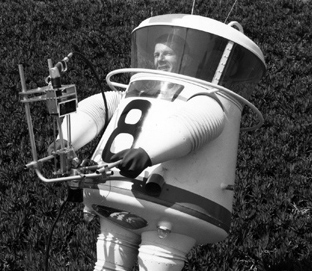
A decade before Neil Armstrong set foot on the Moon, an engineer at the US Aerospace Agency (NASA).
Browse ScienceInfo articles and explainers related to Decade.
435 published items.
A decade before Neil Armstrong set foot on the Moon, an engineer at the US Aerospace Agency (NASA).
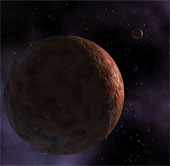
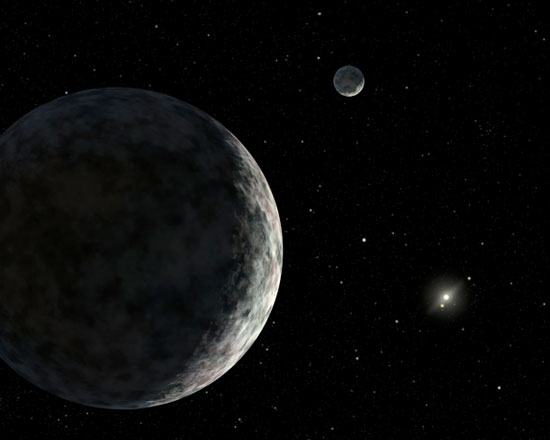
After a decade of searching, astronomers have discovered the second dwarf planet with orbit far above Pluto, but has yet to explain why the planet is there.
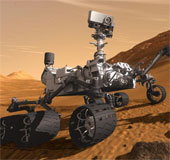
The US Aerospace Agency (NASA) has marked a decade of successful deployment of the mission to explore Mars.

In an interview in the city of Berlin, Thomas Reiter, ESA's head of space flights and an astronaut, said ESA is considering the possibility of cooperating with China in…
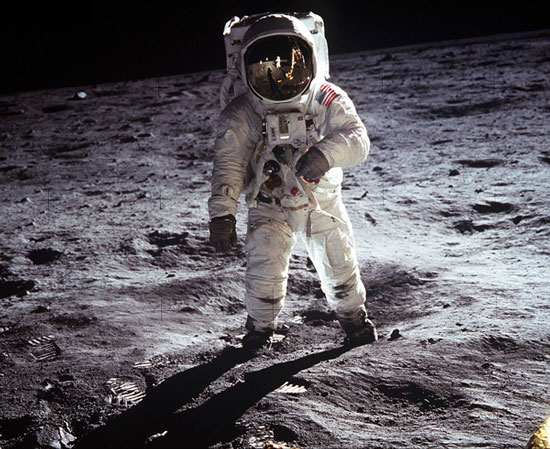
Four decades have passed since the US ended the Apollo program, no astronauts were sent to the moon, but the

After decades of conducting research and analysis of meteorite samples Allende once fell in the area of Chihuahua state, in northern Mexico in 1969, scientists discove…
The US Air Force Agency (NASA) said on September 29 that the number of large asteroids passing near the Earth, especially medium sized asteroids, could destroy an entire…
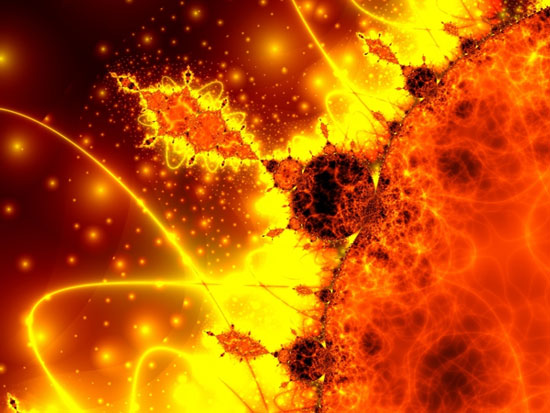
Currently, the sun is in the period of maximum energy activity. This period began in the 1920s and extended in the universe.
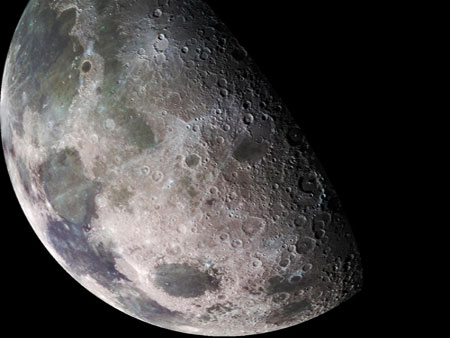
Moscow will build a base on the moon within the next two decades to prepare for the exploration of Mars.
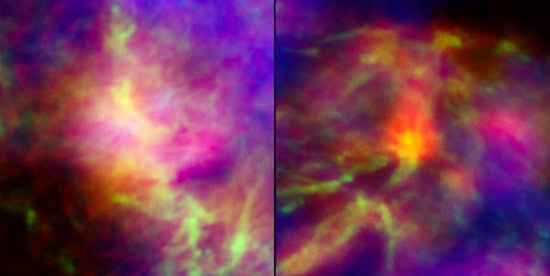
The strange mist in the Milky Way made the scientific world a headache for decades as a swirling dust cloud at a rate of more than ten billion times per second.
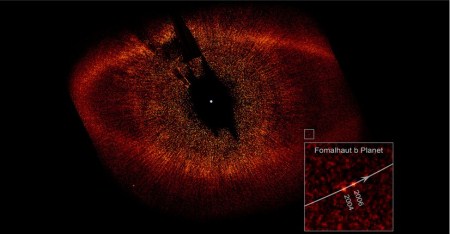
The last decade witnessed a leap in the way of conquering human space with important discoveries such as finding water on the Moon, detecting dark matter ...
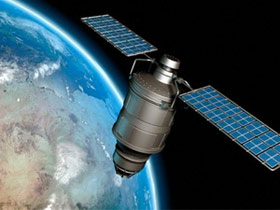
According to Euroconsult, from now until 2019, 1,220 new satellites will be launched into orbit with a total design and installation cost of $ 194 billion.

The giant face on Mars that has caused a stir over the past three decades is just an ordinary rock in the desert.
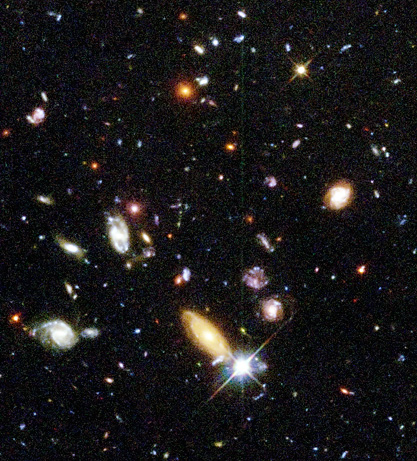
Dark energy, the mysterious resource that came out more than a decade ago to explain why the universe is separating at a faster rate, is no longer needed.
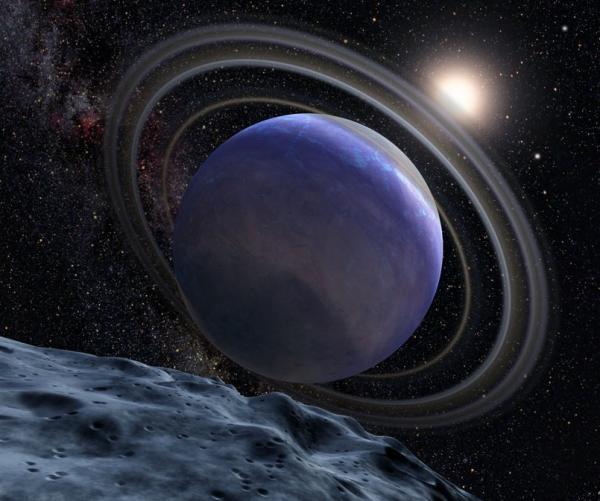
A new image processing technology could allow astronomers to discover extraterrestrial planets that might be lurking in the data of more than a decade of the Hubble Spac…