Discover science
Unexpected discovery of what makes life on Earth
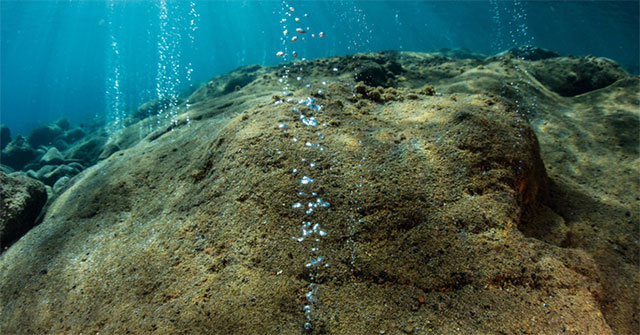
Nestled in the deep sea, the witch of nature - the element that turns chaotic precursor molecules into the building blocks of life - still exists today.
Browse ScienceInfo articles and explainers related to Deep.
1,016 published items.
Nestled in the deep sea, the witch of nature - the element that turns chaotic precursor molecules into the building blocks of life - still exists today.

Deep in the Gulf of Alaska, the explorers have just captured the image of an extremely visually penetrating squid at depths of up to 527 meters.
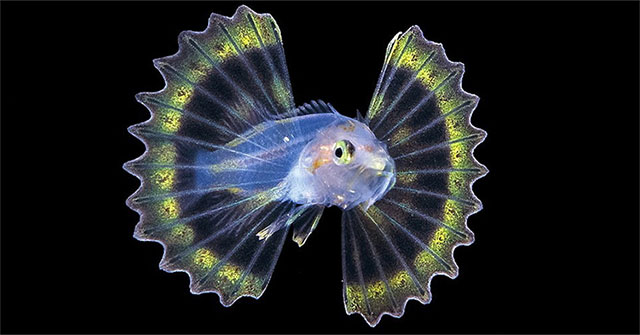
One of the most beautiful marine creatures divers and photographers have the opportunity to meet when diving deep into the sea floor.
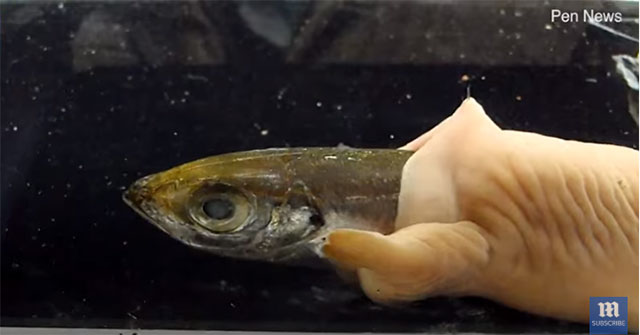
The wrinkled sea worm takes only a few minutes to swallow the sardines that fall to the bottom of the aquarium in Nagoya, Japan.

Russian scientists state the proposal to determine when the Moon will only see the Moon from one side, so that it must be sampled from a depth of 15 meters on the back o…

Thanks to virtual reality technology devices, people can learn to swim, experience deep diving without the pool.
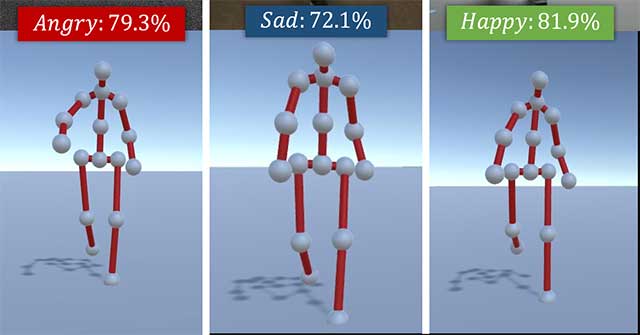
Are you happy, sad, or angry? Scientists are teaching algorithms to feel emotions that just look at the gait!

Hiccups are purely involuntary muscle contractions. However, it can be one of the most annoying and sometimes painful things a person can encounter.

Have you ever wondered why our ancestors chose certain species as we see them today to domesticate - not other species?
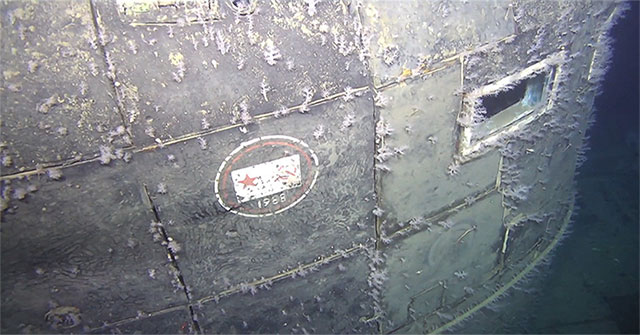
The Komsomolets submarine sinking in 1989 killed 42 sailors as the Soviet tragedy's most tragic accident, researchers found radioactive leaks.
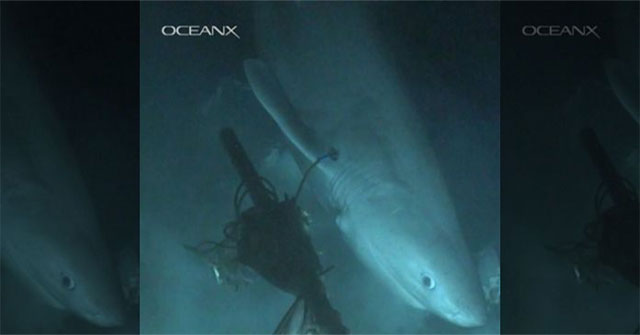
Researchers have captured the mysterious cow shark through a seabed video camera.

Before, people thought gonorrhea could only be transmitted through genital contact but research showed that gonorrhea because French kissing is also feasible.

Pink noise played during specific times during sleep helps deep sleep or slow wave sleep for people with mild cognitive impairment, at risk of Alzheimer's disease.
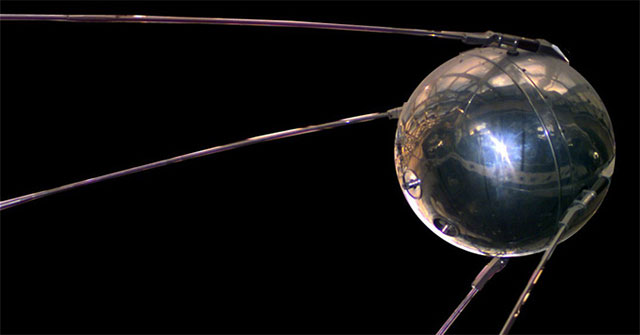
The sound marked the turning point of an era.
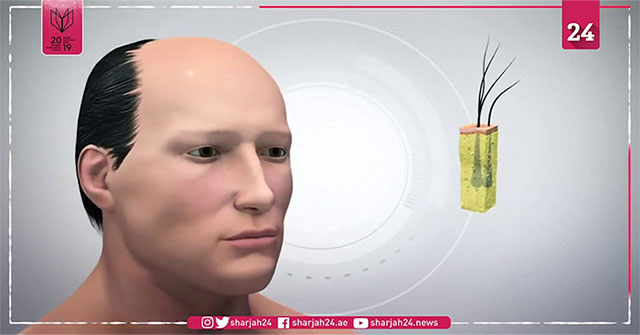
US scientists have recently adopted successful hair follicles in the laboratory, thanks to the application of 3D printing technology.