Biology
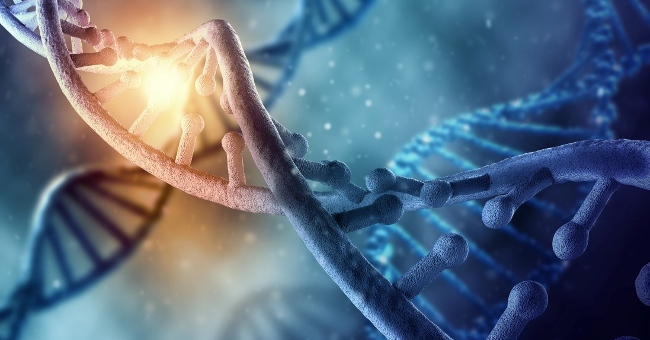
Human genome detection contains DNA of ancient viruses
At least 8% of your DNA belongs to strange races and is made up of virus-derived pieces, not human. In fact, pieces of virus that often lurk within the genome of anythin…
Browse ScienceInfo articles and explainers related to Detection.
672 published items.
At least 8% of your DNA belongs to strange races and is made up of virus-derived pieces, not human. In fact, pieces of virus that often lurk within the genome of anythin…
American scientists at the John Hopkins and Nebraska University School of Medicine accidentally discovered a virus in algae that could infect the human brain.
Scientists have published the most complete data regarding wild plants with relatives with today's popular food crops.
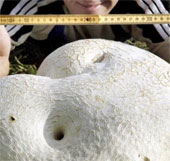
China's Chinanews reported that a Russian man accidentally discovered a giant mushroom weighing up to 10kg.
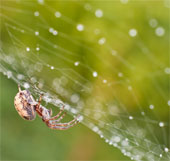
Spider silk is a very special material, it is lightweight and highly elastic but stronger than steel.
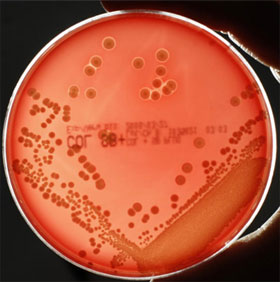
The World Health Organization (WHO) warns of a lapse of antimicrobial resistance, which is growing globally.
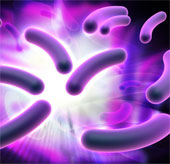
Researchers have shown that a common bacterium can use natural conductivity to pull electrons from minerals deep in the soil and in sediment while bacteria remain on the…
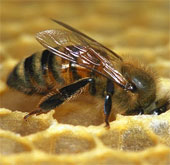
A Portuguese designer has created a device that can detect cancer using honey bees.
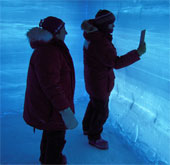
This aphid species was first discovered in 1960, which is evidence of the impact of climate change, when the temperature is warmer.
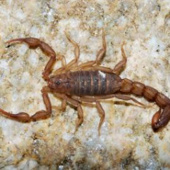
Dr. Rob Bryson Jr. discovered the new scorpion while he was looking for a completely different animal. He sent samples to biologists and they determined that they were i…

New research by Australian scientists has announced the termite flock capable of finding gold mines deep underground.

Reuters news agency cited WHO's statement through the organization's
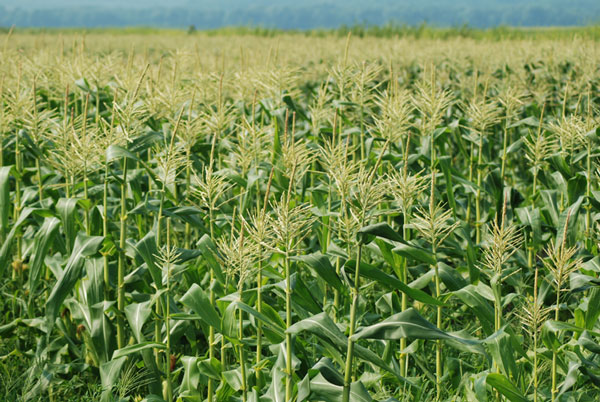
Scientists from the US Department of Agriculture (USDA) said they have just discovered a multi-disease resistant gene called GST that is resistant to all three common di…
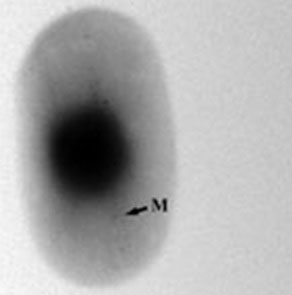
While some bacteria (like migratory birds) use tiny magnets to navigate, the BW-1 bacteria produce two different types of magnetic beads.

Russian scientists discovered new characteristics of red bacteria, called so by bright red, that secrete wound healing substances.