Space science
Rapid discovery, scientists are closer to identifying dark matter
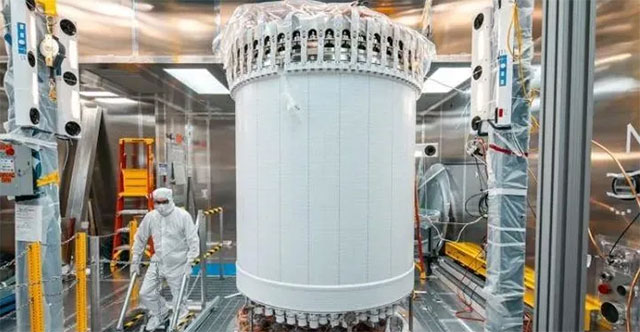
New results from the world's most sensitive dark matter detector have narrowed down the range of particles known as WIMPs to the best ever.
Browse ScienceInfo articles and explainers related to Detector.
193 published items.
New results from the world's most sensitive dark matter detector have narrowed down the range of particles known as WIMPs to the best ever.

For the first time, physicists have created and detected
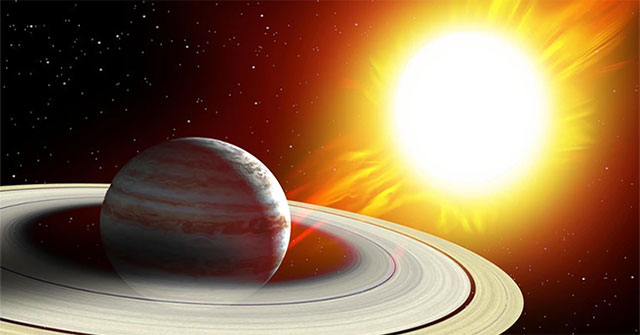
Deep in the universe, there are many mysterious planets and stars. One of them is Tabby.
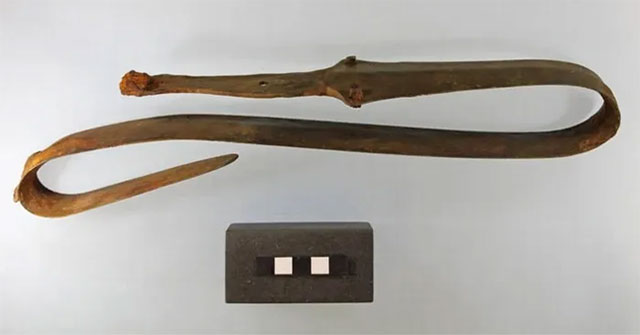
An amateur metal detectorist has found a valuable treasure trove in a bog near Veksø, Denmark. Among them is a sword that is about 2,500 years old.

China is one step closer to measuring the mysterious neutrino particle after installing a giant spherical detector underground in Guangdong province.
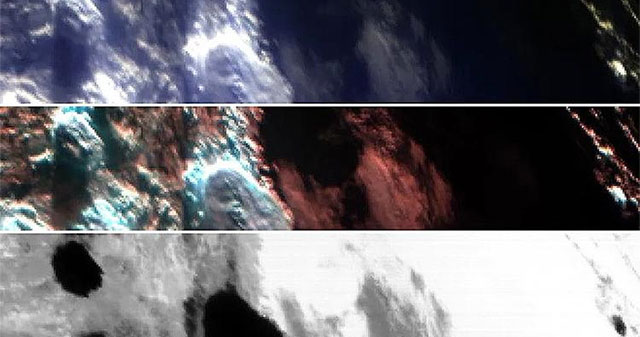
The existence of life on Earth – this obvious fact is being confirmed by European scientists. Why is that?
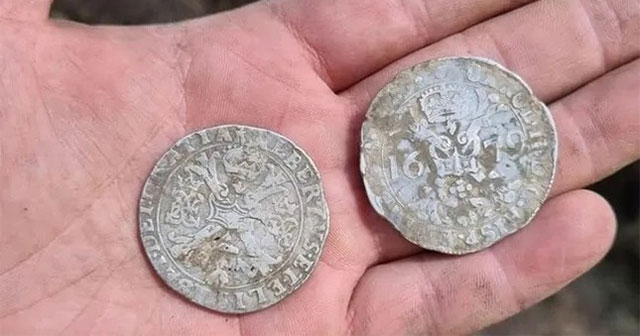
Metal detectorists have unearthed a treasure trove of coins that may have once belonged to a charlatan who hid in the mountains of south-central Poland after scamming pe…
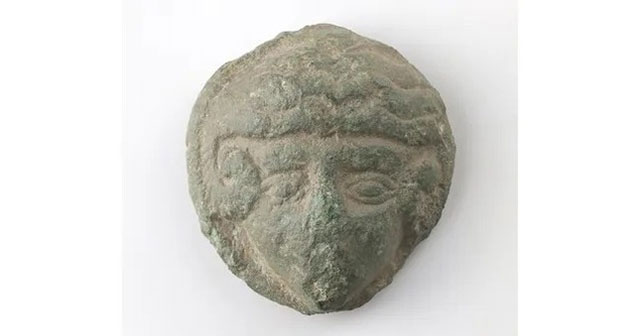
Metal detectors have unearthed a miniature bronze portrait of Alexander the Great on an island in Denmark.
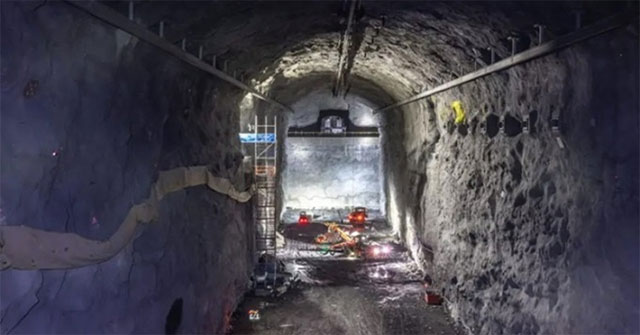
The research team at Fermilab will observe ghost particles traveling 1,287 km between detectors, thereby uncovering the mysteries of the universe.

Jack Andraka, 17 years old in Maryland (USA), invented a tool to detect pancreatic cancer. This invention was awarded the $75,000 Intel ISEF Gordon E Moore Prize.
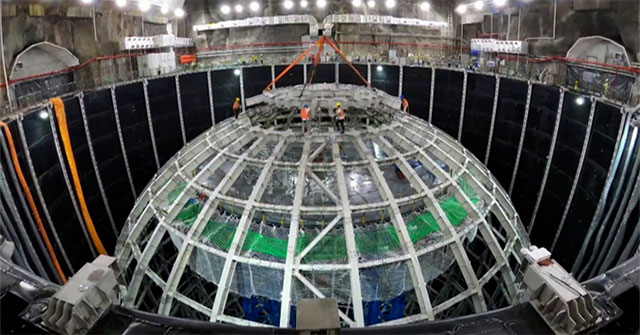
China on June 24 completed the main structure of the Jiangmen Underground Neutrino Observatory (JUNO) in Guangdong province, southern China.
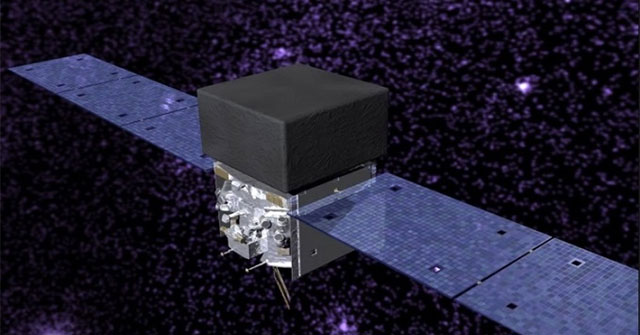
Chinese scientists plan to build the next space observatory to search for mysterious dark matter in the universe.
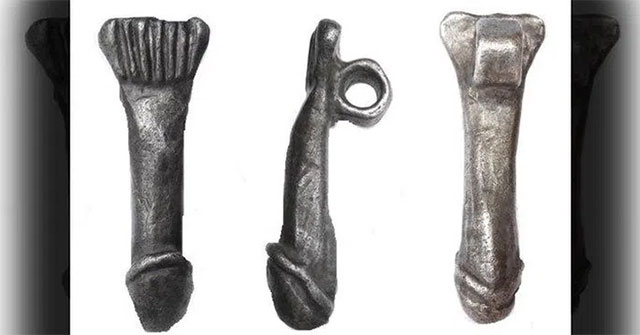
A Kent metal detector has really hit the jackpot when a bronze pendant she accidentally found on a farm is declared a national treasure.
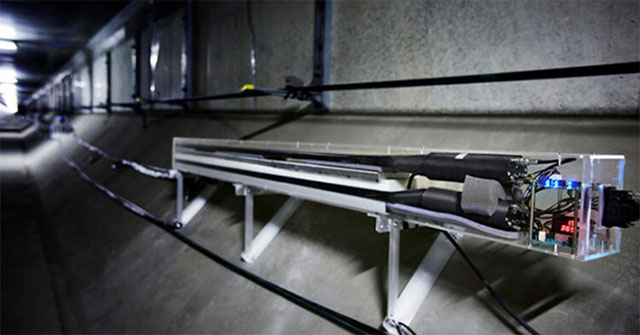
The detector system in a tunnel under Tokyo Bay can detect fluctuations of muons in the sea, helping to identify tsunamis.

George had to dig about 5 inches (13 cm) deep to unearth what could be said to be quite ancient based on its design and old-fashioned Latin inscription.