
Science invention
Daily use inventions come from universities
From toothpaste to GPS, from car seat belts to Google, you may not know, but the things you use every day are the ones that come from universities.
Browse ScienceInfo articles and explainers related to Detector.
193 published items.
From toothpaste to GPS, from car seat belts to Google, you may not know, but the things you use every day are the ones that come from universities.
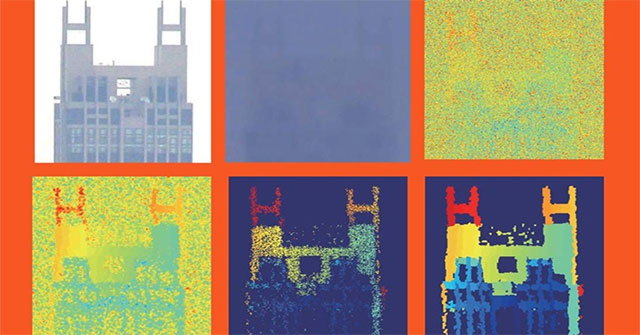
This is a camera system capable of capturing your images from a distance of 45 km.
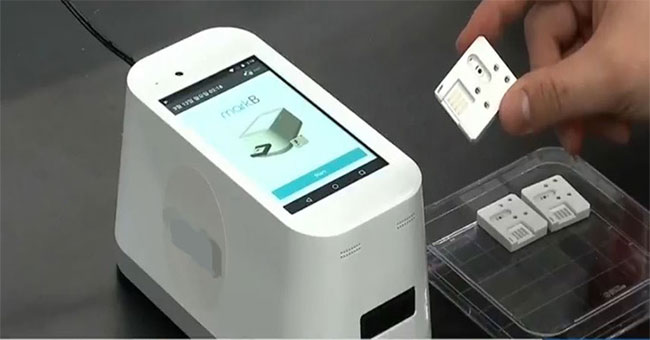
The machine can detect liver cancer, rectal, prostate, uterus, ovaries, digestive organs such as the pancreas and gallbladder.
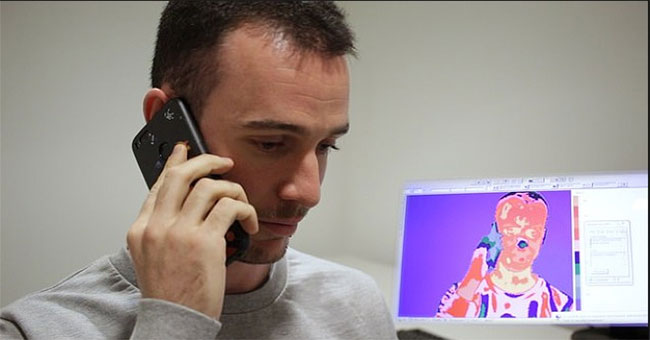
Dr. Emilio Gómez Milán of the University of Granada, Spain, said that when a person's nose when lying lies will shrink, not long as in the story of the boy Pinocchio.
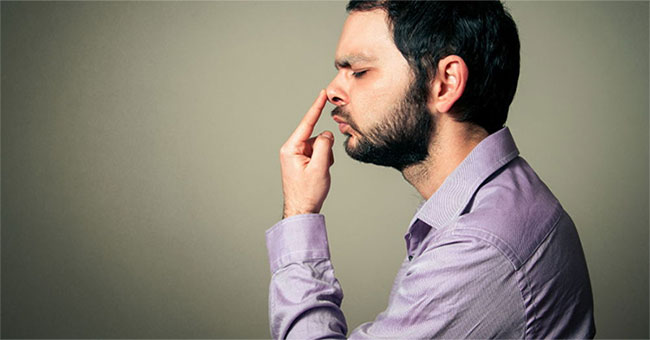
According to Sputnik, during the experiment, scientists from Granda University (Spain) asked a group of subjects to
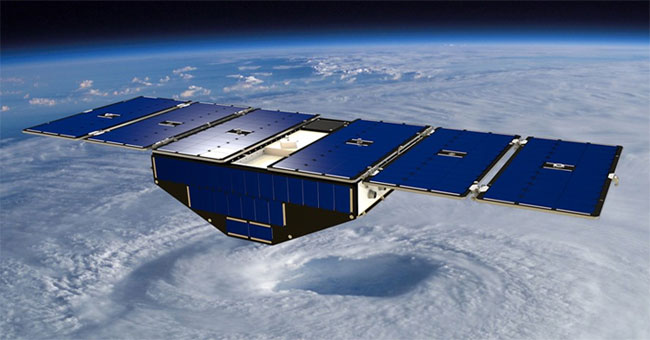
The period from August to September each year is the peak of tropical storms in the North Atlantic and North Pacific.
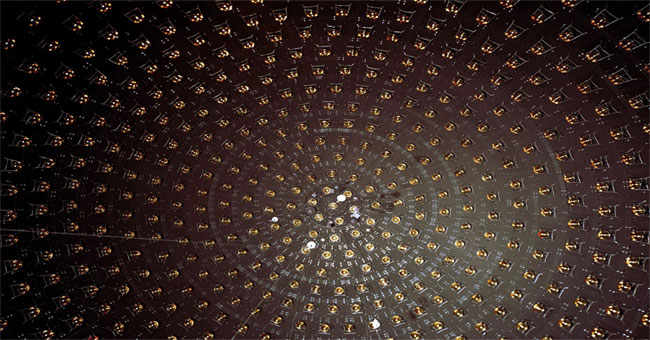
The problem of neutrino energy is very important. It is hard to know about the energy of a neutrino and how much energy it has transferred to the atom that it collides w…
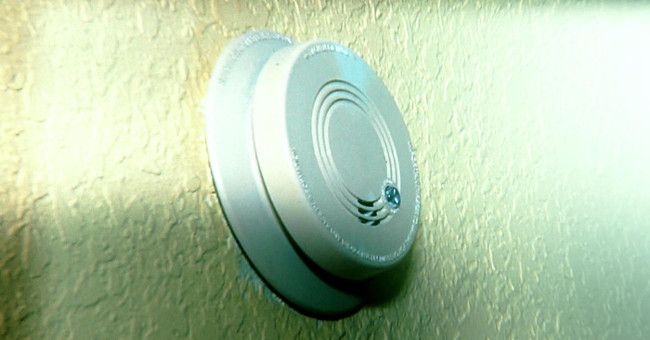
Fires happen, fire alarms are one of the most important factors to inform all residents living in the area.
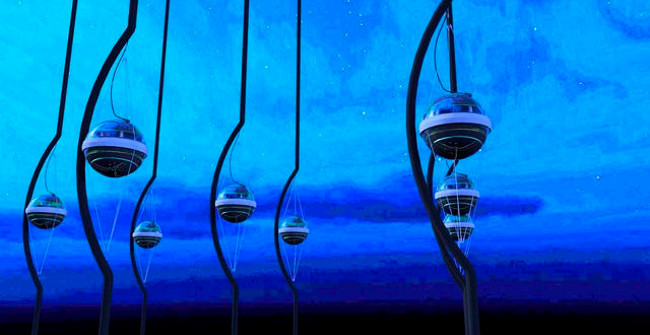
Some high-energy neutrinos are absorbed when passing through the Earth.
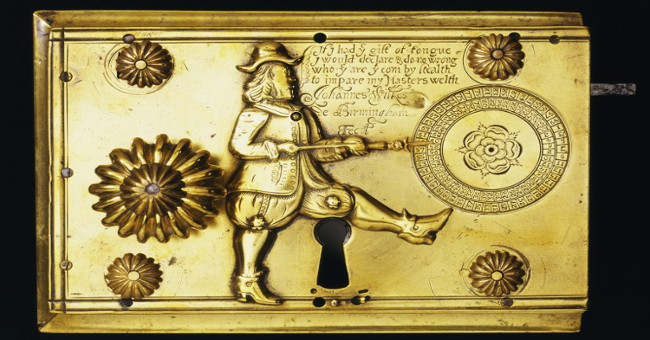
The old technology of 1680 - more than three centuries ago, is there anything good? Today we have iPhones, flat screen TVs, smart robots that defeat humans. Actually, it…

The gravitational wave monitoring station (LIGO) publishes the greatest scientific discovery of 2016. That is how people can create gravitational waves.
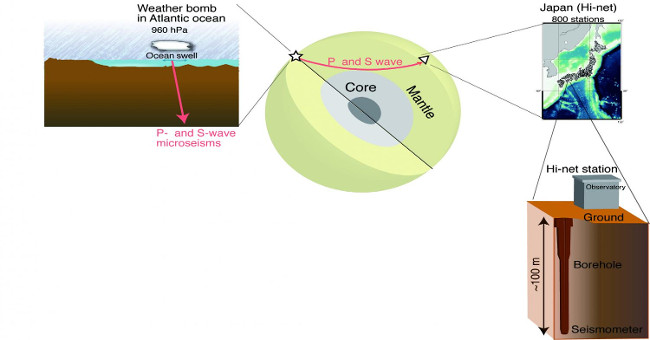
By using a network of detectors in Japan, scientists have discovered a rare kind of tremor from deep within the Earth called
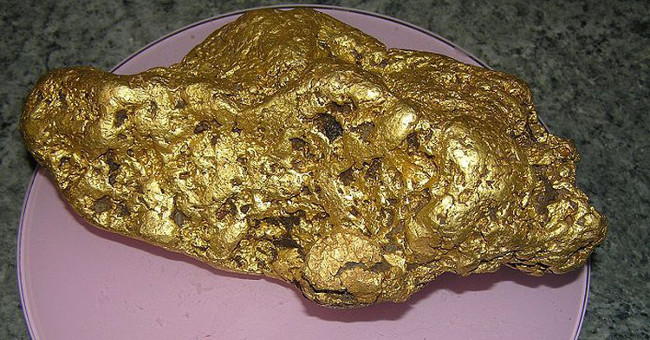
An Australian man was surprised to discover a 4kg gold block worth over US $ 190,000 with a metal detector.

A group of scientists in the United States conducted research on the frequency of lying over 1,000 adult Americans. In it, the participants were asked to list the number…
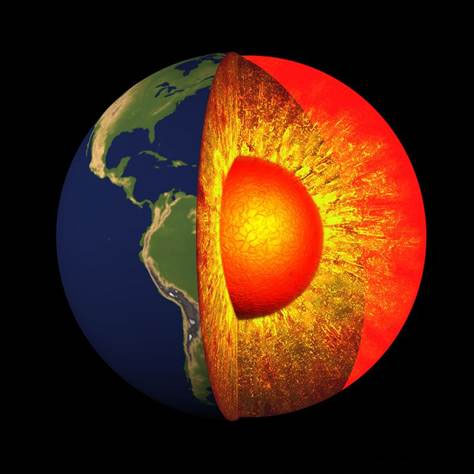
Scientists at the Berkeley Laboratory, USA, and colleagues used the KamLAND detector to measure the amount of radiation emitted by earth's heat sources.