
AI - Artificial intelligence
AI clones help 'revive' the dead
As AI technology develops, it is possible to create clones of the deceased to live, chat with loved ones or even run a company.
Browse ScienceInfo articles and explainers related to Develop.
3,054 published items.
As AI technology develops, it is possible to create clones of the deceased to live, chat with loved ones or even run a company.
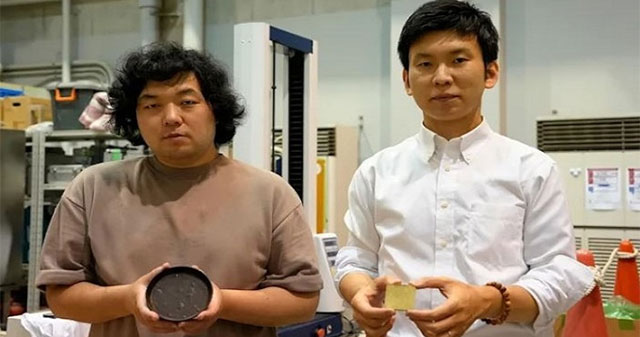
Research group Kota Machida and Yuya Sakai at the University of Tokyo have developed technology to convert food waste into edible cement for construction purposes.
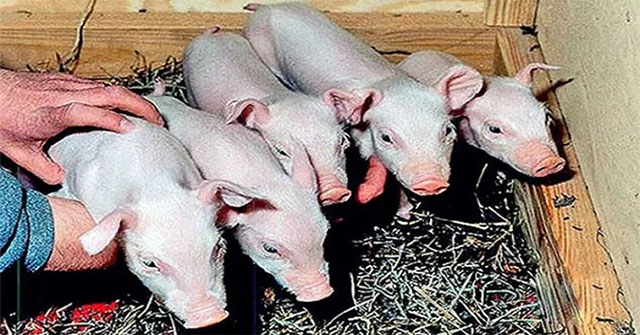
Researchers in China say they have developed a complete pig cloning process using robotics.

The US space agency (NASA) said it has selected two companies to carry out the project to develop a new generation of spacesuits, serving missions on the International S…
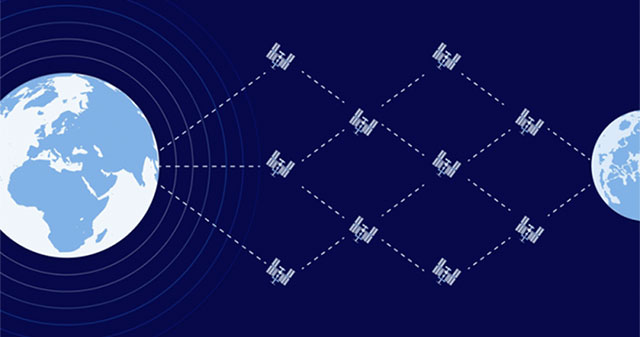
US aerospace technology company Lockheed Martin and the Filecoin Foundation are combining to put Blockchain on spacecraft to build a high-speed data sharing internet.

Researchers from Tokyo Metropolitan University have developed a new compound that removes carbon dioxide from the air 99% of the time and twice as fast as current system…

Researchers are developing a new solar sail design that helps spacecraft navigate through space without fuel.
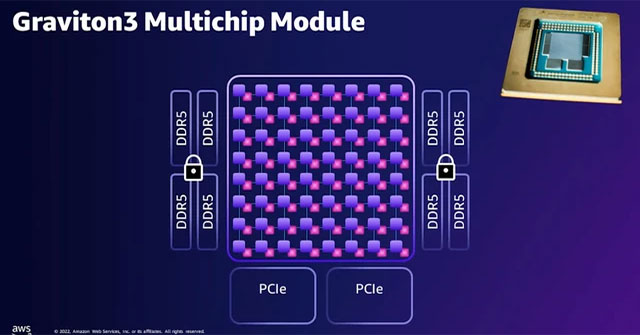
This server processor is self-designed and developed by Amazon for its cloud servers.

MIT researchers have developed a new technique that will one day be able to 3D print wood from plants.

Either we develop the technology to safely harness the energy needed to escape our planet, or we kill ourselves in a cataclysm, a new study says.
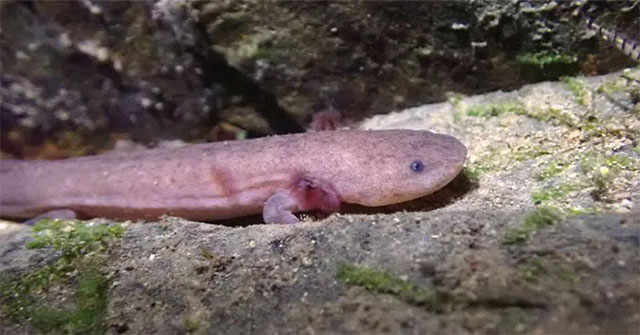
A wild and genetically pure salamander belonging to the group of Chinese giant salamanders has been discovered in Jing'an county, Jiangxi province.

A team at the University of British Columbia has developed a new technique that turns waste wood into a material that is five times stronger than natural wood.

To operate NASA's lunar base, Sandia National Laboratory is developing a microgrid to distribute electricity from the nuclear reactor.
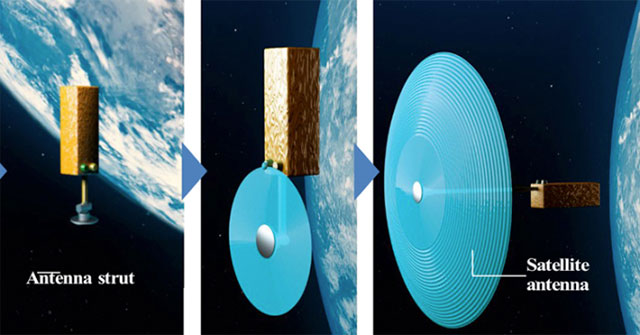
New technology allows to make satellite antennas right in orbit using plastic and sunlight, greatly saving launch costs.

According to the results of a study published in the journal Science Advances, brain gene editing could be a potential treatment for anxiety disorders and alcoholism.