
Space science
NASA develops backpack to help astronauts map the Moon
The KNaCK backpack uses lidar technology to help astronauts navigate the Moon, while creating detailed maps in real time.
Browse ScienceInfo articles and explainers related to Develop.
3,054 published items.
The KNaCK backpack uses lidar technology to help astronauts navigate the Moon, while creating detailed maps in real time.
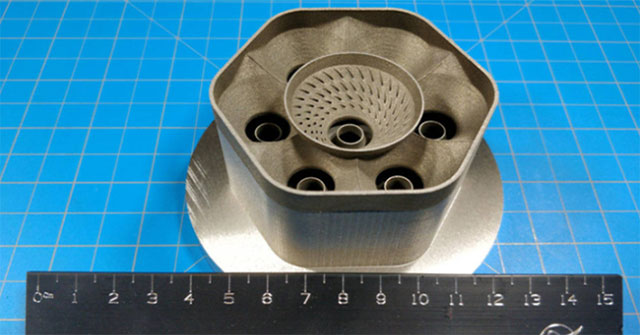
The GRX-810 alloy, developed using modeling and 3D printing, can withstand temperatures of more than 1,000 degrees Celsius.
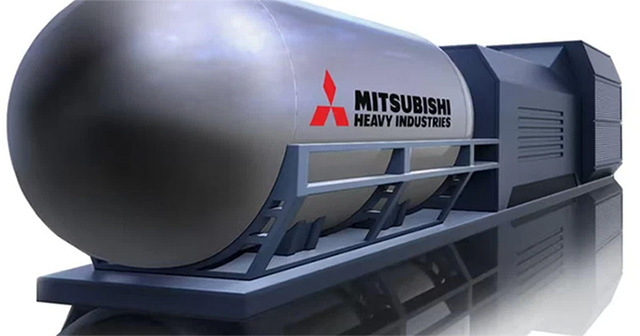
Japan's Mitsubishi Heavy Industries plans to develop and commercialize nuclear reactors small enough to be transported on trucks by the end of the next decade. The compa…
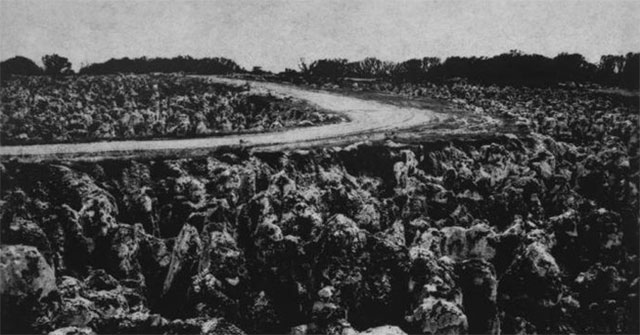
When it comes to the wealthiest countries, probably the first thing that comes to mind is the Middle Eastern countries - developed from oil. But Nauru is completely diff…
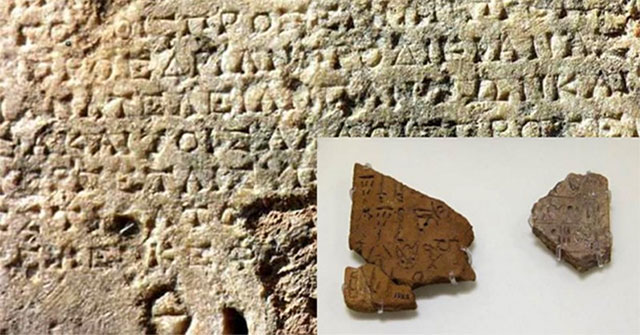
Artificial intelligence (AI) can help historians rewrite history - literally, by recreating ancient Greek lines lost in ancient inscriptions, a new study suggests. .
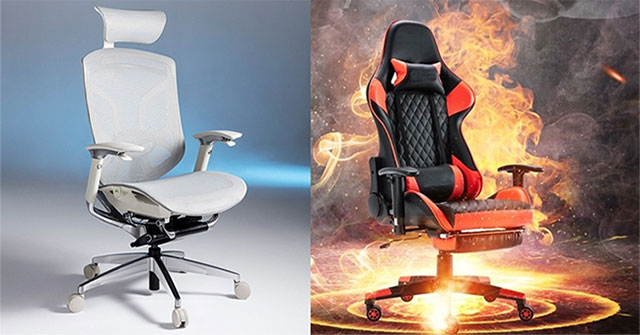
Society is increasingly developing and modern, so people need more and more items, tools and equipment to support all activities in daily life.
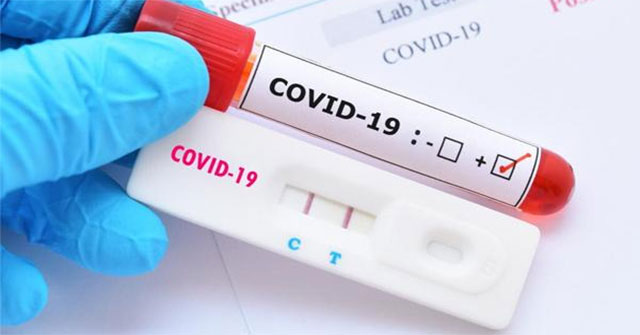
A team of authors are testing a therapy that floods the body with 'cells' that lure viruses away from healthy cells.
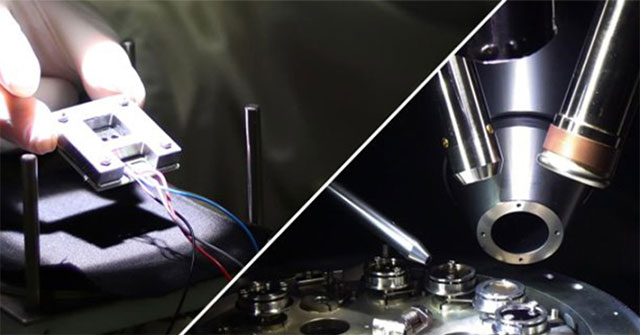
German scientists combined two types of absorbers to develop solar cells with a light conversion efficiency of up to 24%.
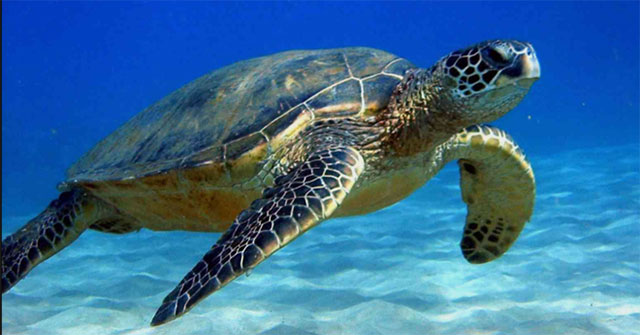
Turtles are a very strange reptile compared to other reptiles, especially in the carapace, so why do they have shells? How do they evolve?

The company Green Launch is developing a device to launch objects into orbit at supersonic speeds using only a mixture of hydrogen and other gases.
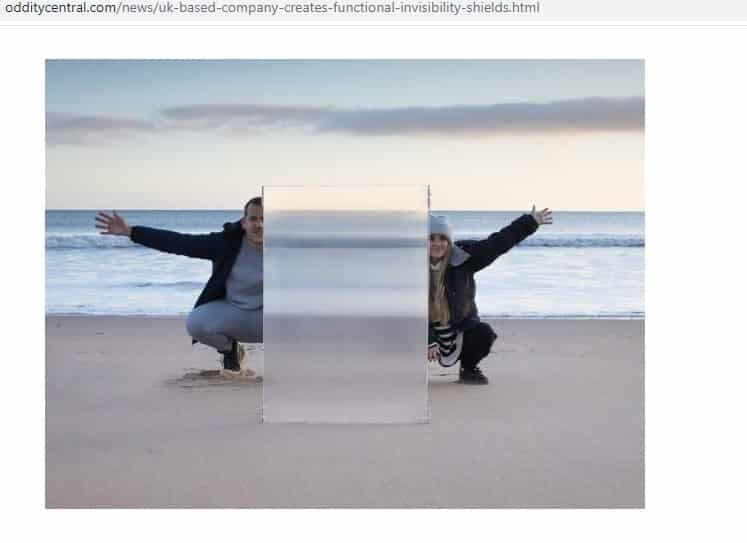
From the invisibility cloak of the character Harry Potter in the work of the same name, British scientists have developed an invisibility shield
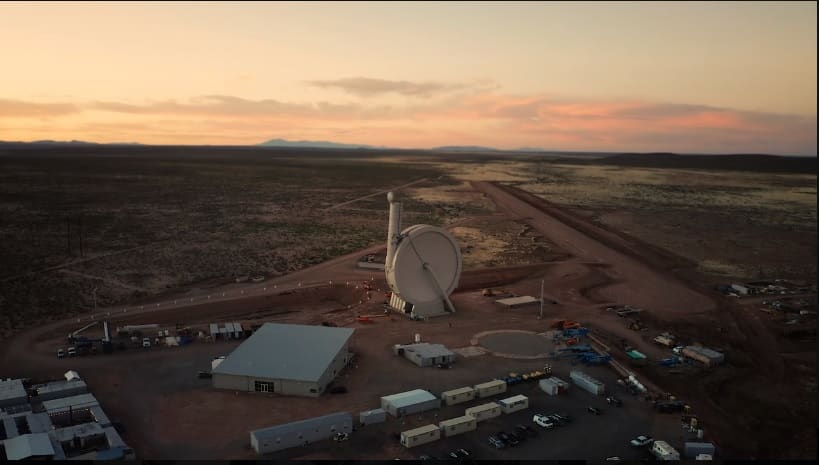
This machine is said to have a small cost and less impact on the environment than using traditional rockets. Expectedly, catapult

Chinese military researchers say they have developed an invisibility cloak that can help ground forces avoid being detected by surveillance satellites' radars.
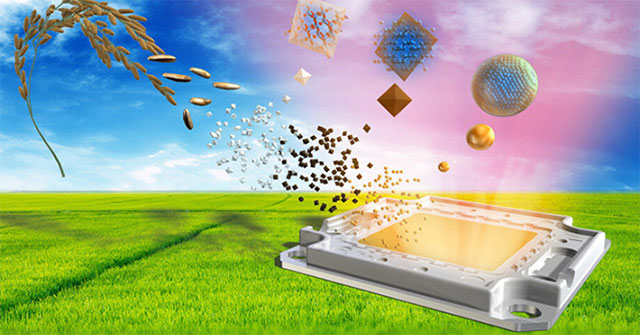
The team from Hiroshima University utilizes discarded rice husks to develop eco-friendly red-orange LEDs.
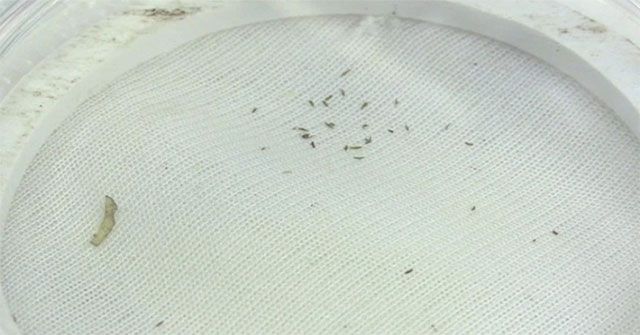
Researchers have developed a material with a maze-like structure that prevents small pests from getting close to plants.