Space science
China develops materials to build highways on the Moon
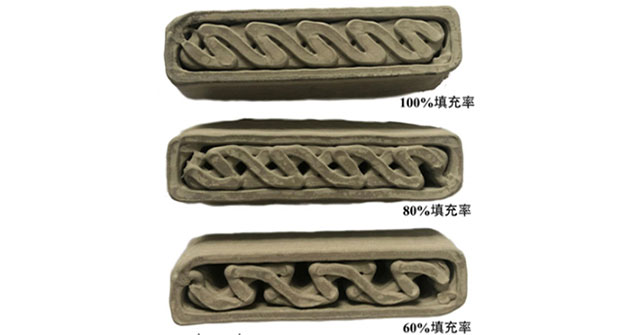
The team at Beihang University improved old materials and combined them with 3D printing technology to build roads on the Moon in the future.
Browse ScienceInfo articles and explainers related to Develop.
3,054 published items.
The team at Beihang University improved old materials and combined them with 3D printing technology to build roads on the Moon in the future.
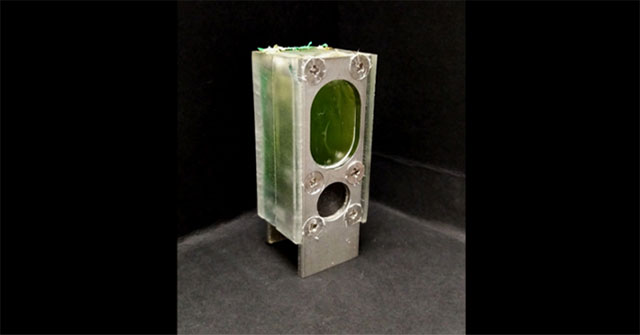
Scientists have developed a power supply system for computers that includes cyanobacteria in a sealed container the size of an AA battery.
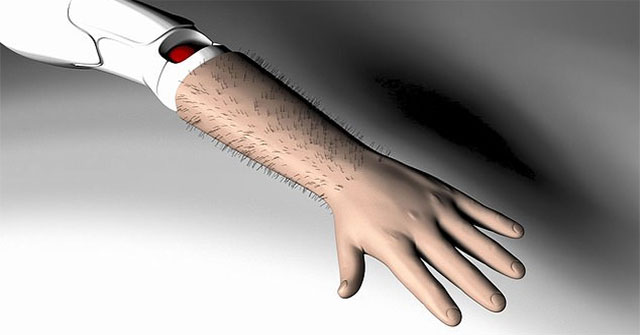
Recently, scientists have made a big step in the development of electronic skin integrated with artificial hair.
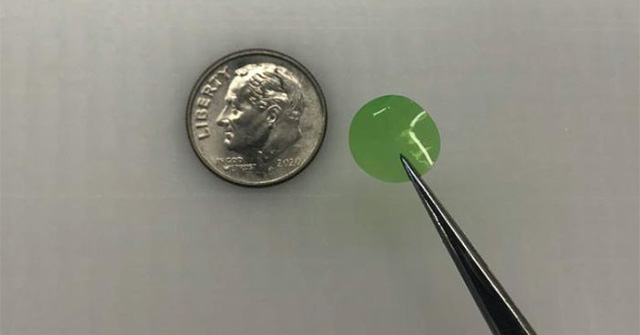
Newly developed luminescent sensor technology implanted under the skin does this, and promises to be used to easily measure other levels of substances in the blood.
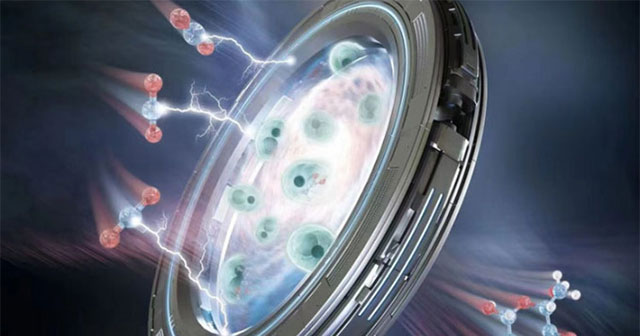
Chinese scientists have developed a new method to convert carbon dioxide and water into glucose and fatty acids.
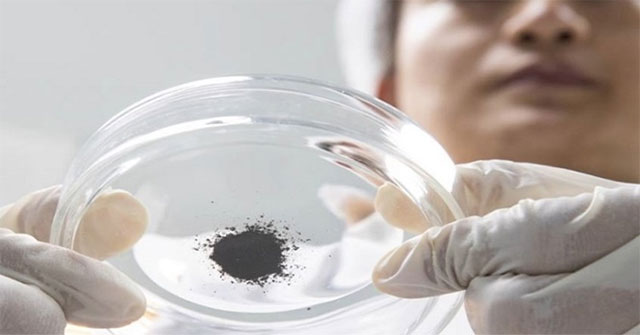
The 5 kg mobile device uses lunar soil, water and solar energy to convert carbon dioxide (CO2) into oxygen and fuel.
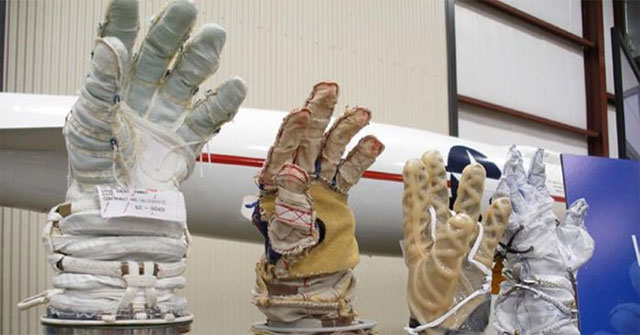
Microsoft and Hewlett Packard Enterprise (HSE) are working with NASA scientists to develop an AI system to test astronauts' gloves.
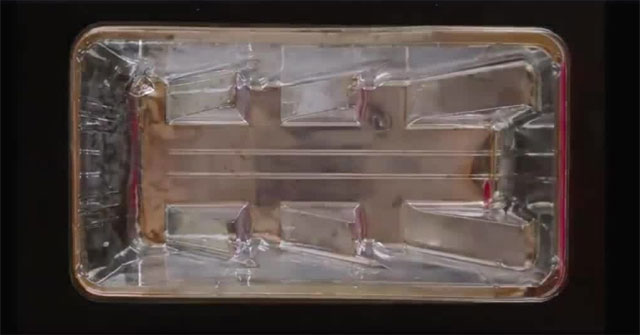
The team at the University of Texas developed an enzyme that effectively degrades PET plastic at temperatures of 30 - 50 degrees Celsius and a variety of pH levels.
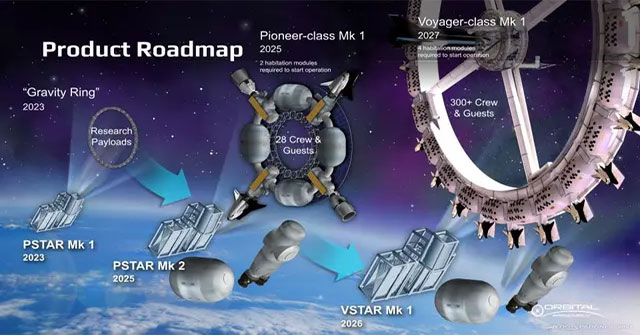
This is an ambitious and possibly unrealistic timeline.
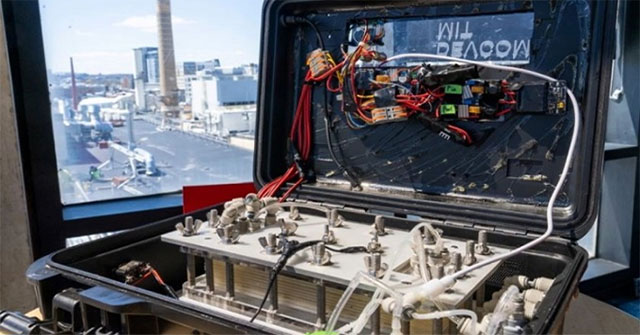
The new device, developed by professor Jongyoon Han and colleagues at the Massachusetts Institute of Technology (MIT), produces drinking water from seawater with only a…
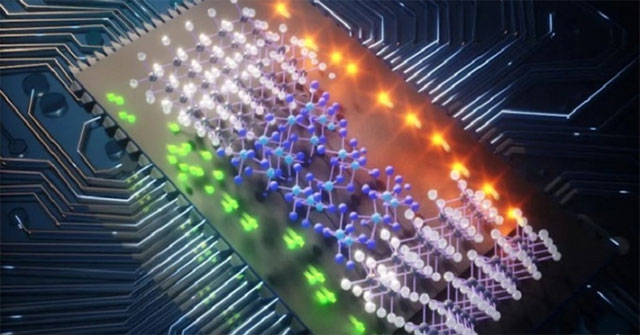
A team from TU Delft University has developed a superconducting material that allows computers to run hundreds of times faster than today.
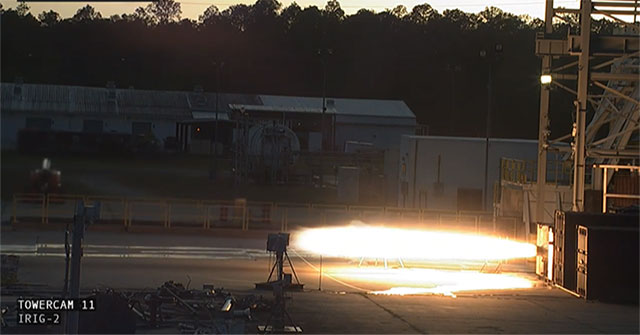
The E-2, a 3D-printed rocket engine developed by the US private space company Launcher Light, passes its first maximum thrust test.

The American company developed a tent with a built-in battery-powered pump, with the push of a button to automatically inflate the tent frame, at a rate of 20 liters per…
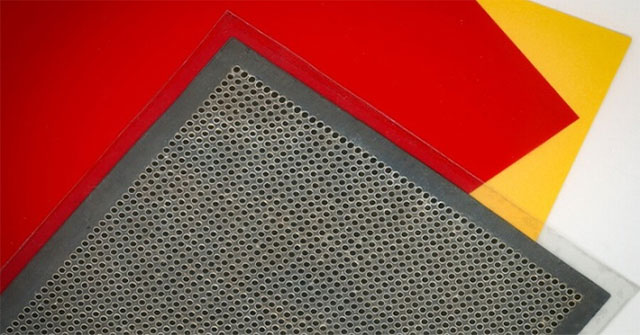
Engineers at the Massachusetts Institute of Technology (MIT) have developed a paper-thin speaker that can turn any surface into a sound source.
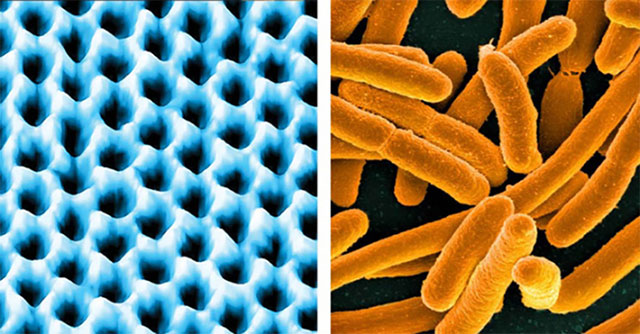
Ultra-sensitive hearing devices could be the key to doctors facing the growing crisis of antibiotic-resistant bacteria.