New technology
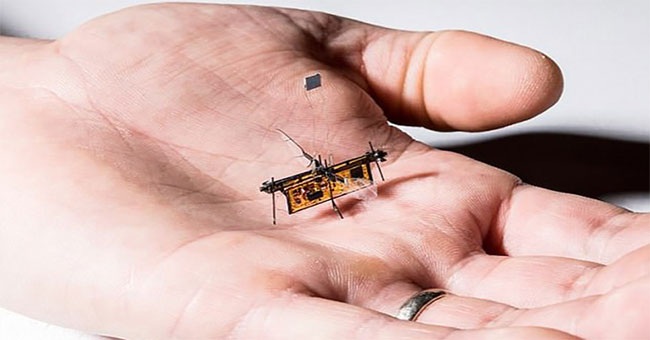
Revealing a super small robot just as light as a toothpick, can fly
Weighing just a bit heavier than toothpicks, engineers at the University of Washington (USA) have created a new breakthrough in making tiny robots.
Browse ScienceInfo articles and explainers related to Develop.
3,054 published items.
Weighing just a bit heavier than toothpicks, engineers at the University of Washington (USA) have created a new breakthrough in making tiny robots.
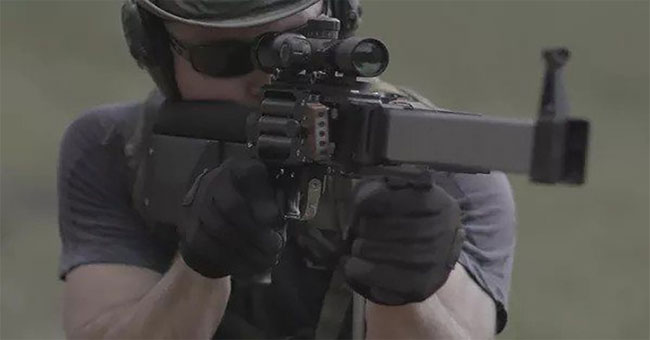
This weapon was developed by inventor Martin Grier. Four vertically stacked bins are encased in a steel block, using an electric drive system.
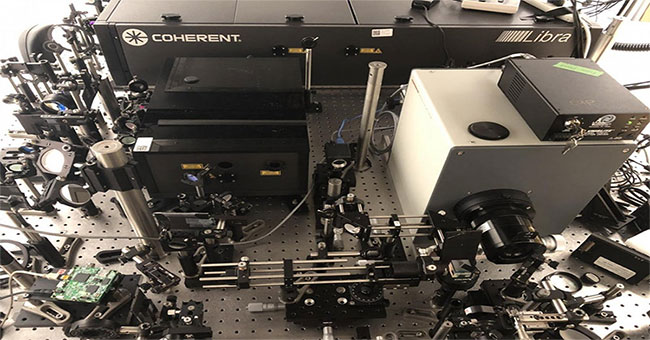
Super camera is named T - cup. Its shooting speed is so fast that it can record light movement.

According to Optica magazine, inspired by the peculiarities of the mantis shrimp sight, researchers have developed new cameras equipped for unmanned vehicles.
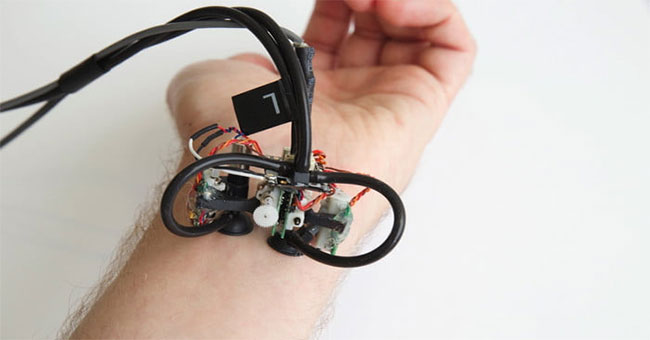
Scientists at the Massachusetts Institute of Technology have just developed a new type of robot capable of supporting screening for skin diseases, including skin cancer.
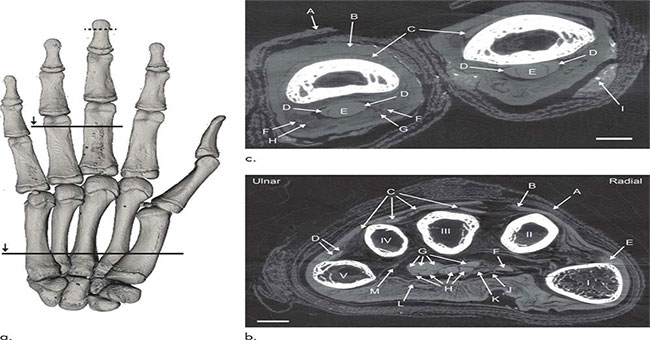
Thuy Phong scientists develop new X-ray imaging techniques to capture the detailed characteristics of mummies at the cellular level.
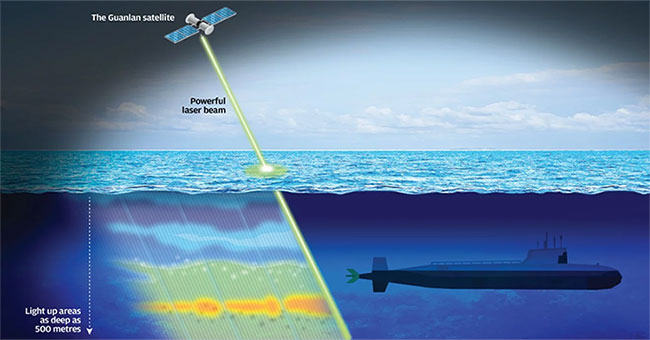
According to Sputnik, laser devices have so far only detected objects at depths of 200 meters at the bottom of the sea. This record currently belongs to the US Advanced…
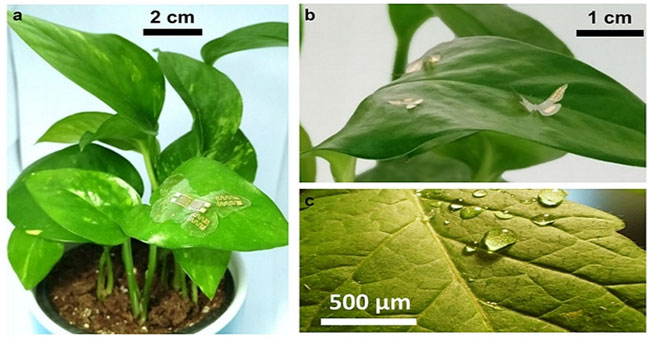
2 types of plastic sensors and autonomous activities developed by Saudi Arabian engineers can be used to collect wireless data about plant growth status.

If tested successfully, all of the company's cargo ships will be converted to sail when transporting Airbus aircraft parts.
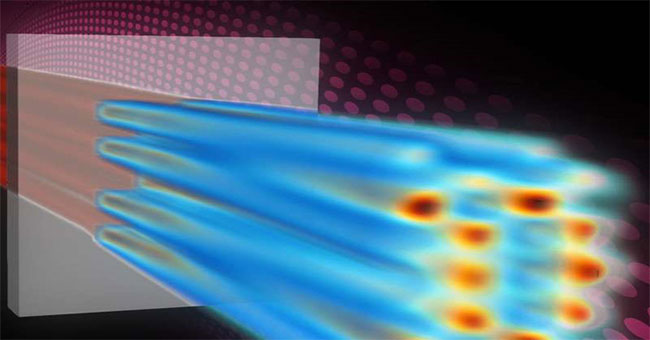
Scientists believe that the THz wave has great potential in developing important applications such as explosives detection, medical diagnostics, quality control in produ…

According to US scientists, if you take advantage of Listeria monocytogenes bacteria that live in the digestive tract, causing diarrhea, bio-batteries can be developed.
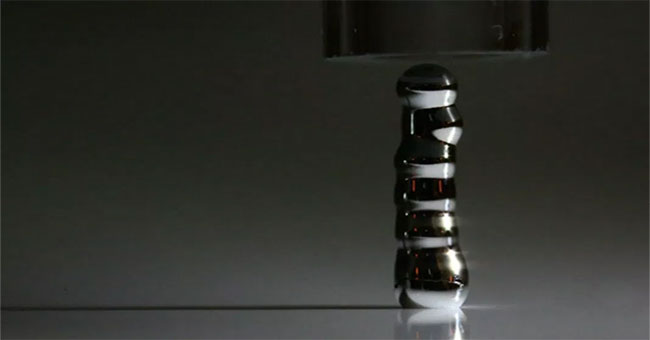
The research team from Harvard University has succeeded in developing new printing technologies that can control the shape and amount of ink used.

Professor Dame Sue Black of Lancaster University, has developed a forensic technique to help identify crime based on hand characteristics.
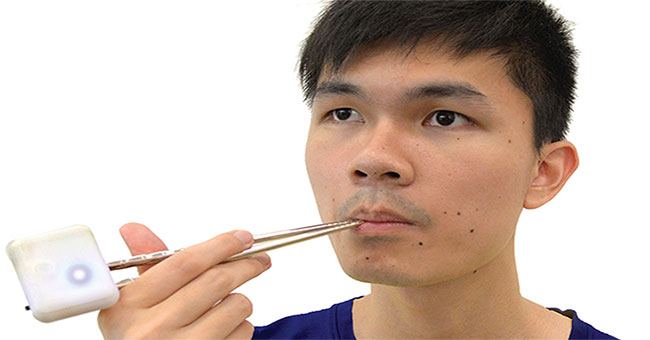
Just like any bland story is attributed to an unpleasant metaphor:
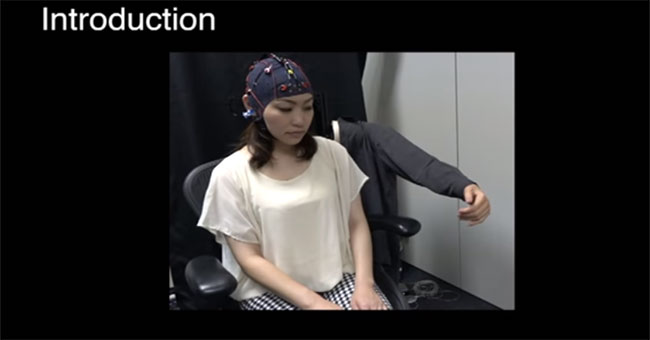
People who are busy often complain that they need one more arm to do all the work, but now, that may be about to come true.