New technology
Technology allows people to breathe underwater
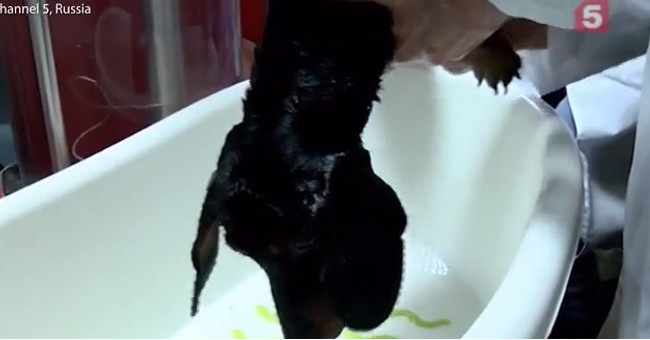
Humans and other airborne organisms often drown when there is too much water in the lungs, but Russian scientists have demonstrated that a dog can survive underwater.
Browse ScienceInfo articles and explainers related to Develop.
3,054 published items.
Humans and other airborne organisms often drown when there is too much water in the lungs, but Russian scientists have demonstrated that a dog can survive underwater.
Scientists have developed plastic 3D printed objects that have built-in Wi-Fi capability without electricity or electronic components.
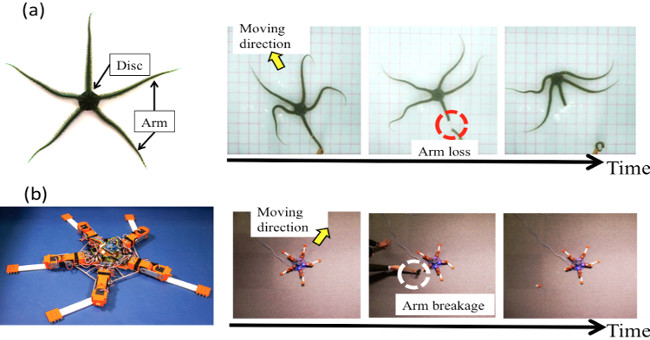
Typically, the robot takes a considerable amount of time (several dozen seconds) to reorganize after an unexpected physical damage.
The proliferation of artificial intelligence helps create subtle, ultra-small killer robots that can kill automatically without human intervention.
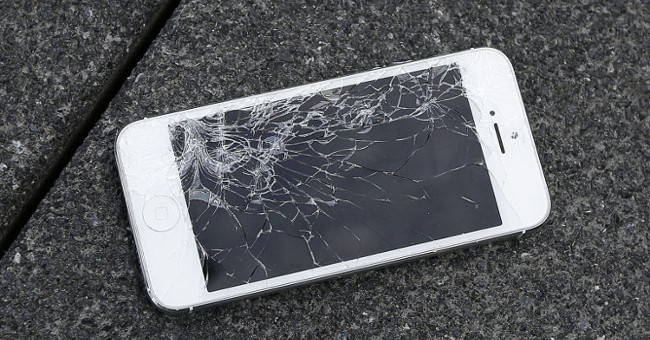
A recently published study has revealed that a new type of polymer with high hardness and glass-like properties can recover itself by applying a slight pressure force.

With this upcoming product, users will be able to track the movement of chicks in real time via a GPS ring mounted on the chicken leg.

Three major European manufacturers - Airbus, Rolls-Royce and Siemens - have announced plans to develop hybrid gasoline and electric hybrid vehicles.

Fatima Al Kaabi, 16, is best known as the youngest inventor in the United Arab Emirates (UAE). Al Kaabi's products are in the process of being tested.
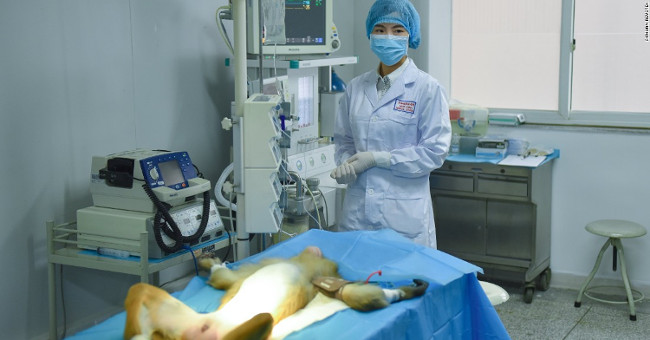
Research team of Hangzhou Regenovo Biotech Limited Liability Company takes the lead role.

China this week unveiled its first AI-based police station, which will soon be operational in Wuhan.
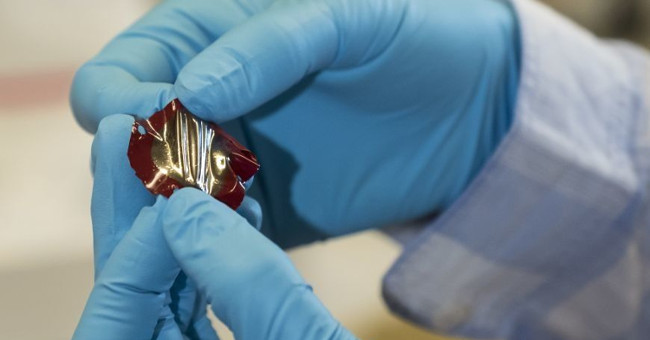
A team of researchers has developed an organic rubber-like material with high elasticity, which is interesting when stretching or compressing produces electricity.

Kimbal Musk, famous billionaire brother Elon Musk, is developing a farm with containers in the heart of New York City, USA.
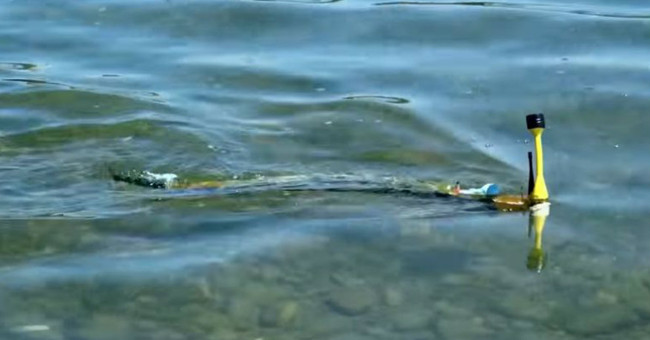
Scientists at the Lausanne Federal University of Technology have successfully developed an eel robot capable of detecting pollution in water.

A team of RMIT University researchers in Melbourne, Australia has successfully developed an ultra-thin 2D material with a thickness just equal to atoms.
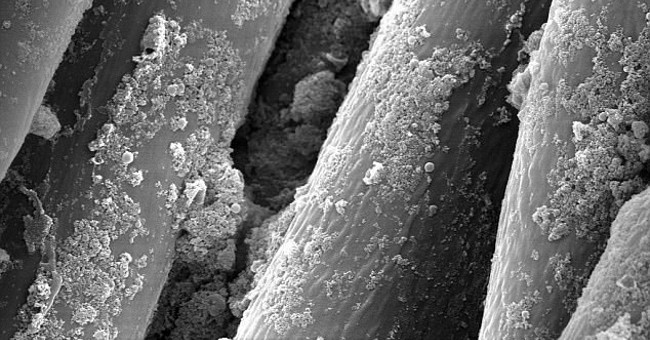
DK, 30/10, Portuguese scientists have developed small capsules that absorb and release heat.