
Space science
Exploration drones can fly 60km above Venus
The experts of the BREEZE project develop a bird-like drone model and equipped with many scientific instruments to
Browse ScienceInfo articles and explainers related to Develop.
3,054 published items.
The experts of the BREEZE project develop a bird-like drone model and equipped with many scientific instruments to

Israel's Institute of Technology (Technion) said that Israeli scientists have developed an algorithm that uses artificial intelligence (AI) to prescribe antibiotics.

Chinese scientists have developed salt-tolerant rice that can be grown near the sea to ensure food security in the face of many challenges from climate change.
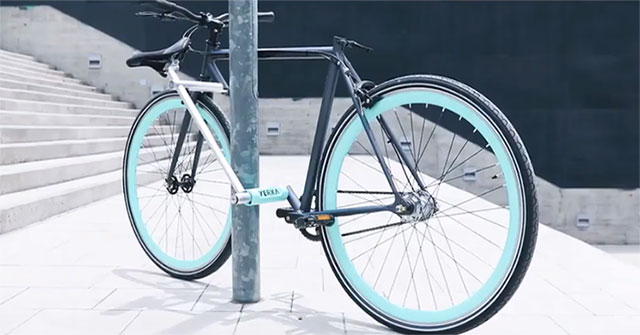
The Chilean company has developed an anti-theft bike with the ability to change the frame to lock onto a pole or fence in just 15 seconds.

Scientists from Russia, the US and Mexico have developed a method to recycle old masks into a high-performance battery like a lithium-ion battery.

Dr. Nguyen Ngoc Tan (University of British Columbia) and his colleagues have for the first time successfully fabricated a stretchable, fabric-soft battery for use in sma…

Lufthansa and BASF have developed the AeroShark abrasive film that reduces fuel consumption and emissions for all aircraft.
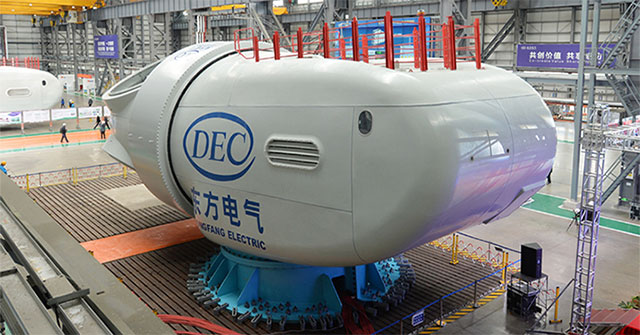
China has completed production of its first offshore wind turbine with a capacity of over 10 MW, capable of resisting storms with winds of up to 277 km/h.

China is researching and developing a two-stage booster rocket system similar to the billionaire's reusable Starship cargo spaceship.
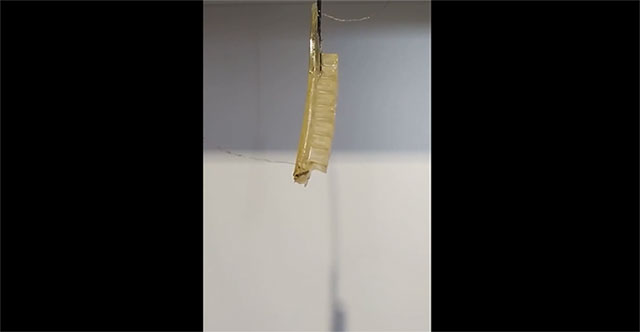
Instead of needing to be heated, the new material can heal itself at room temperature and continue to function without human intervention.
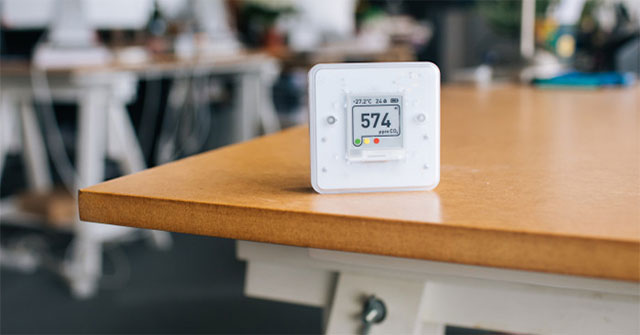
British scientists have developed a device that can warn of the risk of Covid-19 infection in schools and offices by measuring CO2 levels in the air.

The startup Orienspace has raised more than $100 million to develop a new series of rockets, one of which is reusable.
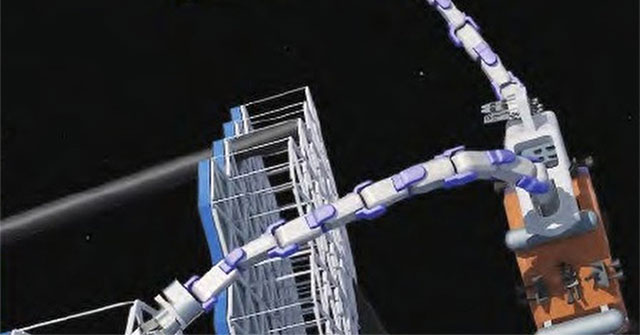
With a solid body design consisting of small detachable segments and acting as an independent robot, this machine can weave through the tightest corners of space.
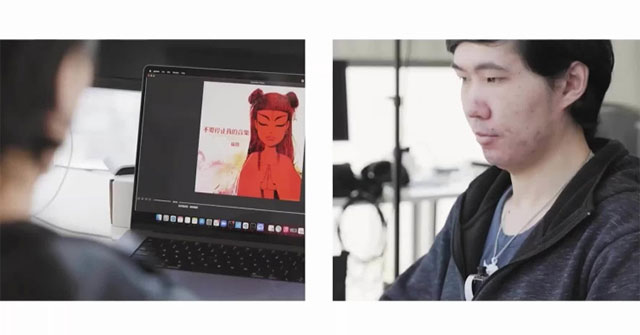
The experts who developed the experimental necklace were able to track the wearer's chin movement to see what they were asking for.
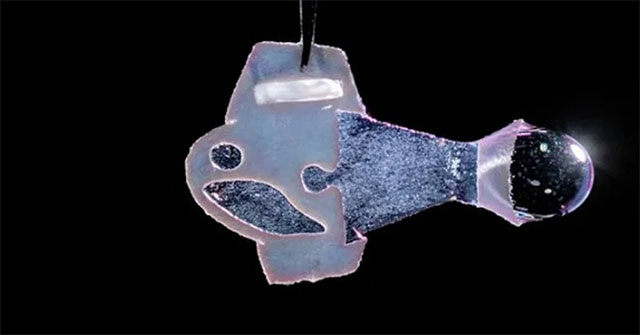
According to the Daily Beast, although it sounds weird, this invention is intended for research into heart disease.