
New technology
American soldiers are equipped with invisibility clothing
Hyperstealth Biotech Canada has just developed a camouflage fabric that can make the wearer invisible.
Browse ScienceInfo articles and explainers related to Develop.
3,054 published items.
Hyperstealth Biotech Canada has just developed a camouflage fabric that can make the wearer invisible.
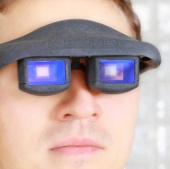
With the new high-tech glasses developed, users simply need to use the eye to flip through the e-book, without the need to click the mouse to flip the page as before.
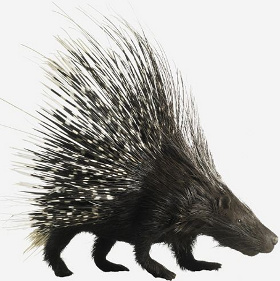
A study published Tuesday in the Proceedings of the National Academy of Sciences reveals that feathers may help scientists develop less painful needles under the skin.
A Washington, DC-based company is developing a state-of-the-art wireless technology that enables laser power transmission.
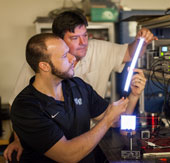
The Wake Forest University team in the US has successfully developed a new type of glow lamp that can replace fluorescent lamps.
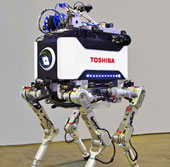
Toshiba has developed a four-legged robot capable of conducting investigation and recovery operations at locations deemed too risky for human use, such as the Fukushima…
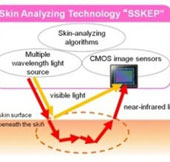
Sony has developed a new technology for the use of small cameras in phones and tablets to diagnose the skin health of users.
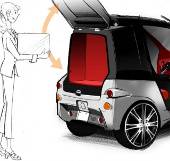
Toyota is developing a technology that allows drivers to manipulate car entertainment functions, such as adjusting the radio volume, using a simple handgrip.
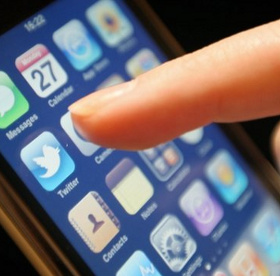
American scientists came up with the idea of developing a special software to turn millions of smartphones around the world into seismic forecasting tools.
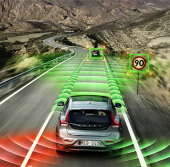
Swedish car company Volvo is developing a vehicle that automatically avoids collisions and is expected to be available to the general public within the next eight years.
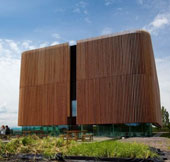
The University and the Wageningen Research Center (NL) have developed a technology that allows the conversion of wetlands (which account for about 6% of the Earth's…
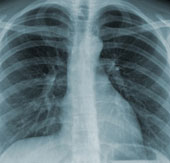
Bangladeshi and Dutch scientists have developed tuberculosis diagnostic devices and named eNose (electronic nose).
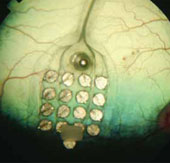
Researchers at Second Sight have developed a new device called Argus, which allows blind patients to see the text by stimulating the light-sensitive part of the eye.
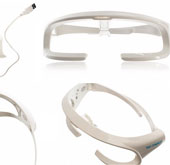
Australian sleep researchers have developed a high-tech sunglasses, described as the first time-controlled glass in the world.
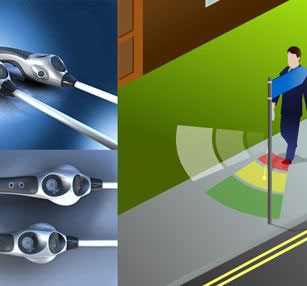
University of Bristol (UK) has developed a device called Ultracane, inspired by bats, to help visually impaired people easily ride their bikes.