
Medicine - Health
Eggs are not 'enemies' for people with diabetes
Eating a lot of eggs does not increase cholesterol, blood sugar or sugar levels in people with diabetes. Eggs will no longer be excluded from the menu for these patients.
Browse ScienceInfo articles and explainers related to Diabetic.
71 published items.
Eating a lot of eggs does not increase cholesterol, blood sugar or sugar levels in people with diabetes. Eggs will no longer be excluded from the menu for these patients.
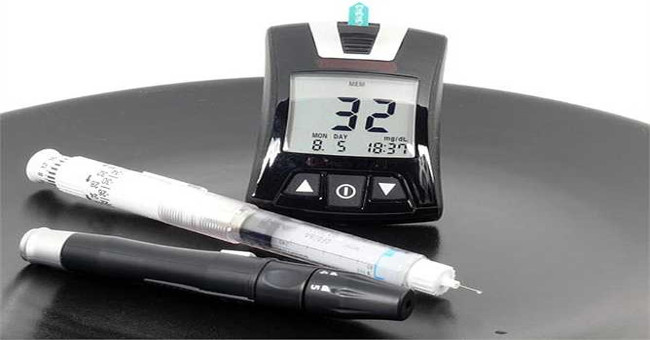
Diabetes is one of lifestyle diseases. Mobility, an unhealthy diet and less exercise are some of the main causes of diabetes.

A low calorie diet with 600 calories daily for 8 weeks can help millions of people with type 2 diabetes worldwide improve their health.

Control of type 2 diabetes requires a combination of lifestyle factors such as regular exercise, weight loss and proper medication, according to Boldsky.

Summer is a time of unhealthy health for people with diabetes. Therefore, in the summer, people with diabetes need to remember the following.

Scientists think that in terms of the ability to perceive the world around the dog's sense of smell is better than its eyesight.

Cheek vegetables or vegetable juices have many uses, so they are widely used in life. However, pomelo juice has unwanted side effects, not everyone can drink.

Scientists have found an important finding, useful for diabetic patients as well as the prevention of this dangerous disease, related to the benefits of combining rice w…
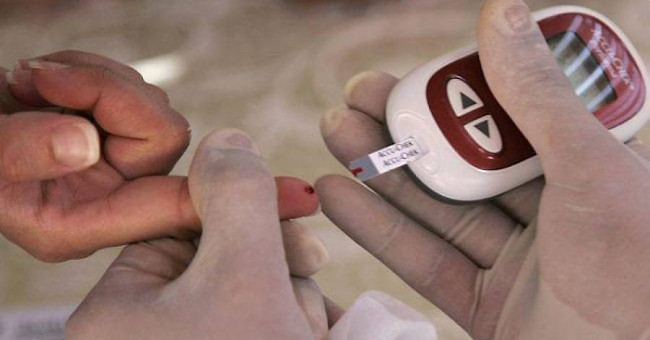
Thanks to the Bluetooth application, this electronic device can be connected to a special smartphone (smartphone) in the pocket.
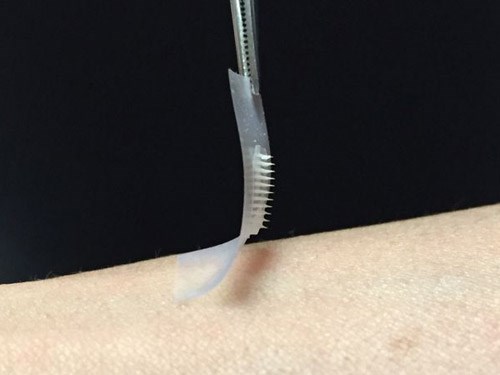
US scientists have created smart patches that can automatically release insulin for diabetics.
Experts from Stanford University School of Medicine (USA) have recently developed a direct drug patch to help heal wounds quickly.

According to experts, diabetic retinopathy occurs when high blood sugar damages the blood vessels in the retina.

According to scientists, pistachios with a lot of beneficial fats help prevent diabetes, especially type 2 diabetes, a common type of diabetes in obese people.
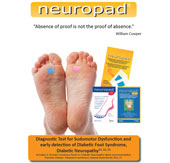
British scientists have developed a foot patch called Neuropad that can rely on sweat to monitor nerve damage in the feet.

In order to help diabetics with less pain due to daily insulin injections, researchers at the University of North Carolina (USA) have developed a new non-invasive inject…