Space science
Rescue astronauts in the universe
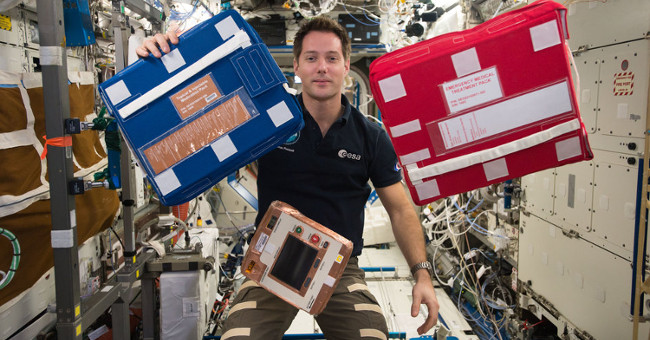
Astronauts in space face many problems such as broken bones, blood clots or radiation.
Browse ScienceInfo articles and explainers related to Disease.
4,796 published items.
Astronauts in space face many problems such as broken bones, blood clots or radiation.
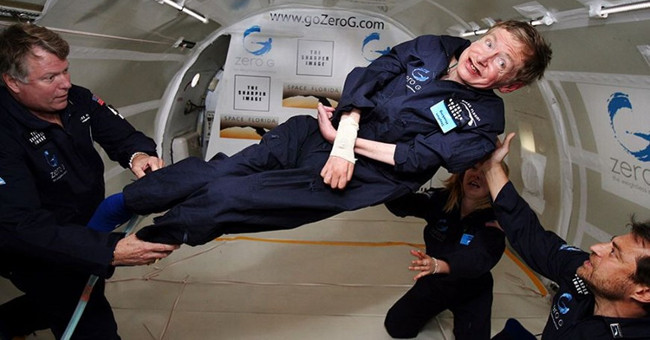
The most famous physicist and cosmologist in the world has said that he received an invitation to fly into space with the SpaceShipTwo ship of the Virgin Group.

In many fantasy films, people born on Mars will have weaker bones than normal, so they won't tolerate gravity on Earth.
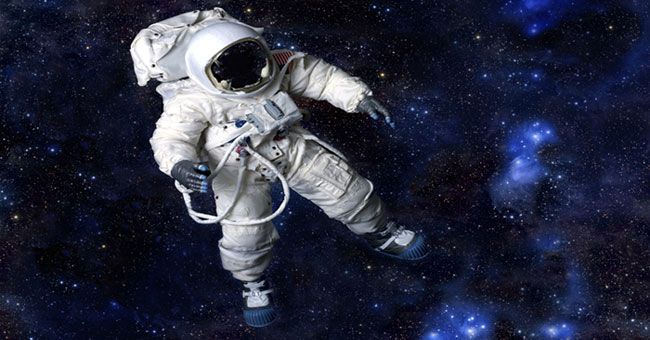
The first in-depth study of the long-term effects of space travel shows that 43% of astronaut deaths are due to cardiovascular problems.
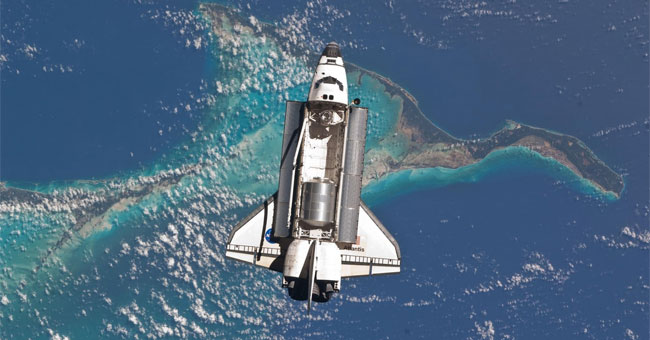
The long journey to Mars may exceed the limits of liver tolerance in astronauts, even if they do not drink on board.
The dream of space travel by many couples has collapsed when scientists prove that sex in space harms health.
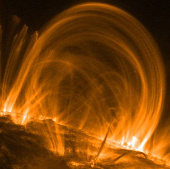
Associate Professor, Dr. Ha Duyen Chau, former Director of the Institute of Geophysics, said that according to the 11-year cycle, at the end of 2012 and the beginning of…
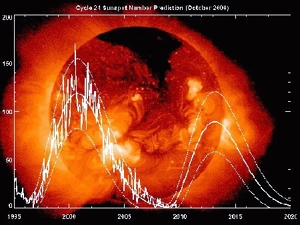
The most visible damage of magnetic storms is the impact on satellites, loss of signal transmission, and information disturbance.

If indeed the prediction of the famous blind prophet Vanga came true, then this year the whole northern hemisphere's flora and fauna would be destroyed.
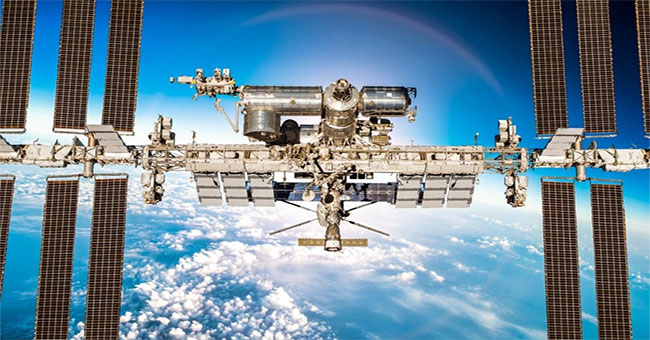
A NASA research team has discovered a thriving ecosystem of disease-causing organisms on ISS similar to the bacteria found in hospitals on earth.
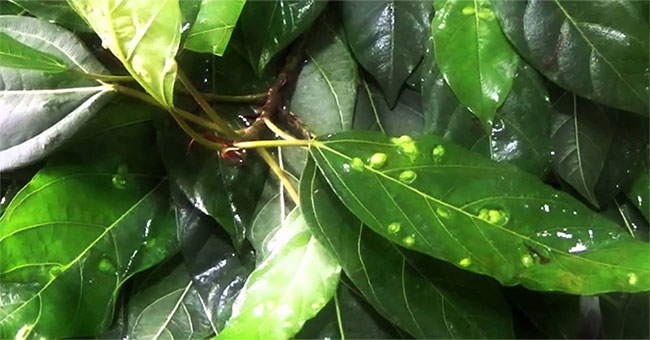
But if you've ever eaten the spring rolls, you'll probably find that the side-by-side fig leaves sometimes appear very strange nodules, which look like pimples.
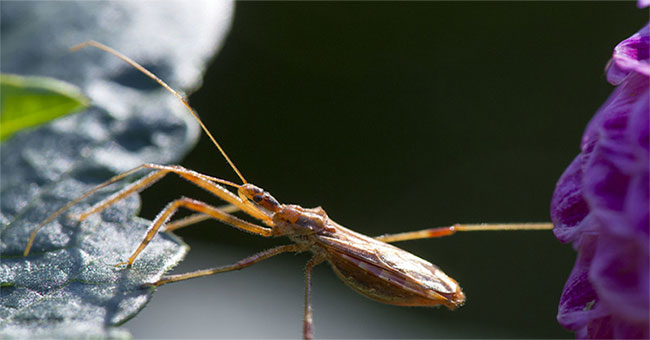
'If left untreated, the disease will last long and can be dangerous to the patient's life', the US Centers for Disease Control and Prevention warns.

According to the World Health Organization, by the end of 2017, about 37 million people have contracted HIV globally.
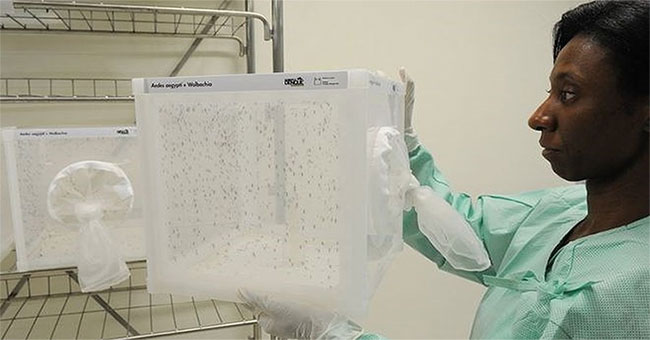
Australian researchers have for the first time claimed that a whole city in this country has been protected from dengue outbreaks.
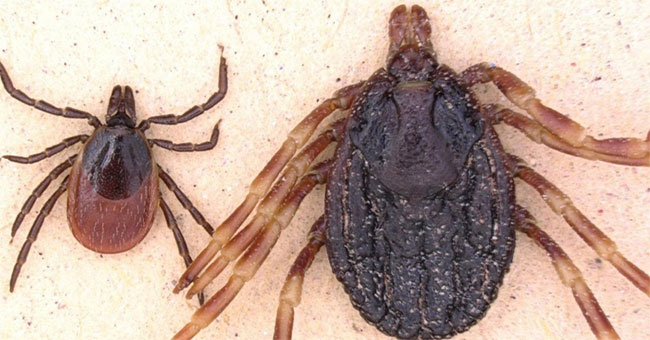
Scientists in Germany have discovered a tropical mite that can grow up to 2cm in length - 10 times larger than regular mites.