Space science
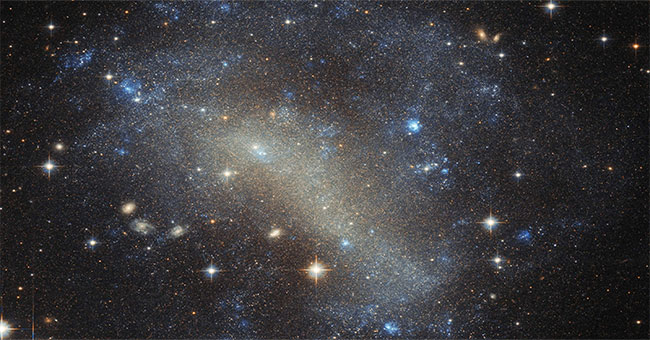
Very interesting series of discoveries about dwarf galaxies IC 4710
It is thought that this abnormal galaxy has been distorted over time, through external gravity when interacting or merging other galaxies.
Browse ScienceInfo articles and explainers related to Dwarf.
396 published items.
It is thought that this abnormal galaxy has been distorted over time, through external gravity when interacting or merging other galaxies.

The collapse of supergiant stars or collisions between two white dwarfs can lead to the formation of supernovae.
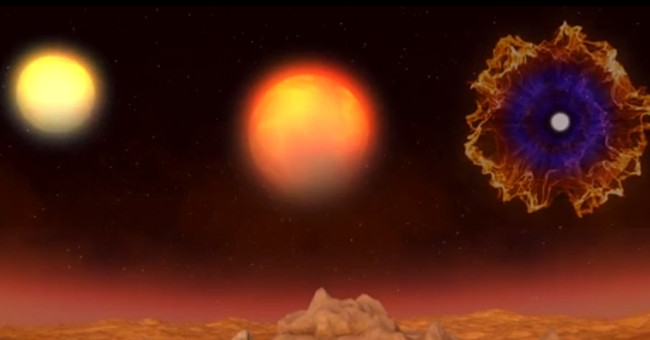
When the Sun dies, its core heats up fast enough to create observable planetary nebulae from a distance of two million light years.
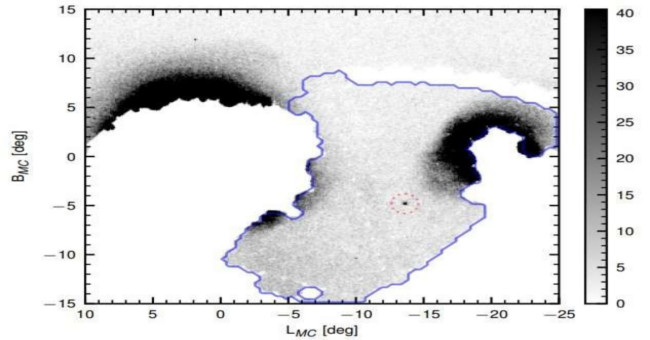
The study shows that the Hydrus 1 galaxy is elliptical and light, located about 90,000 light-years from the sun and about 78,000 light-years from the LMC Cloud.
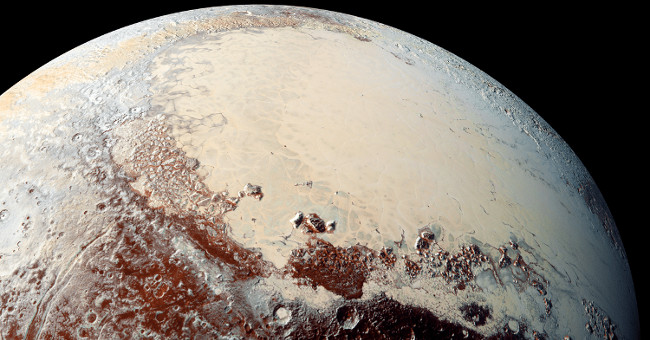
Before 2006, Pluto (or Pluto) was always considered the 9th planet of the solar system.
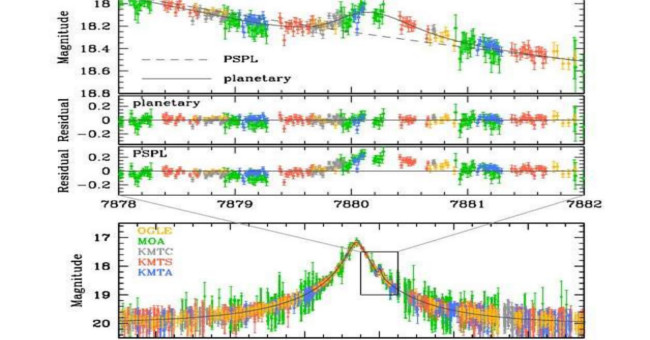
A group of international astronomers discovered one
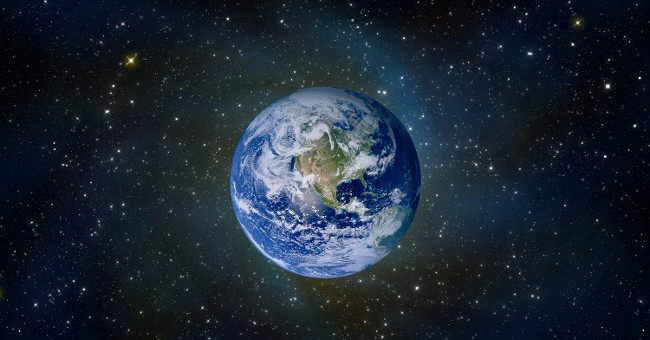
The majority of celestial bodies orbit the Sun, and the mass focuses primarily on eight planets with nearly circular orbits and closely spaced orbiting planes known as t…
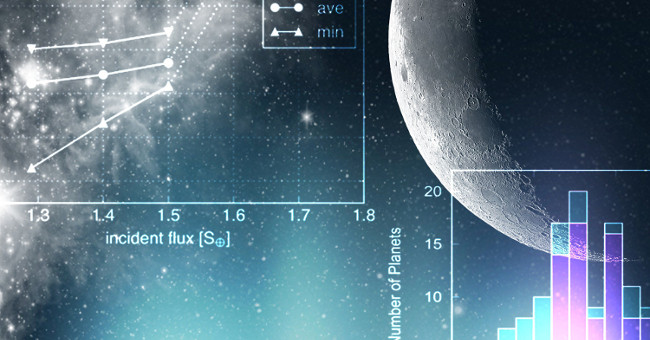
The new study was published by the University of Tokyo Institute of Technology (Japan). The newly discovered planets revolve around some small red dwarfs near Earth.
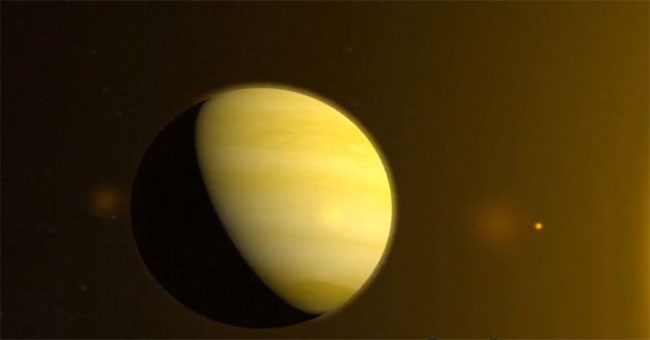
Over the past two decades, about 2,000 alien planets have been discovered and hundreds of billions of other planets are believed to exist in the universe.
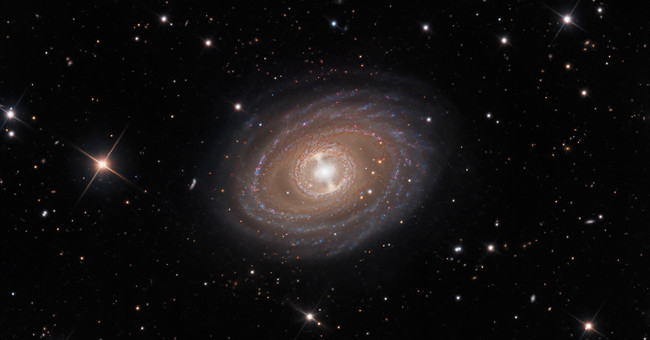
The most impressive and complete moment of the galaxy NGC 1398 has been captured by the satellite device.
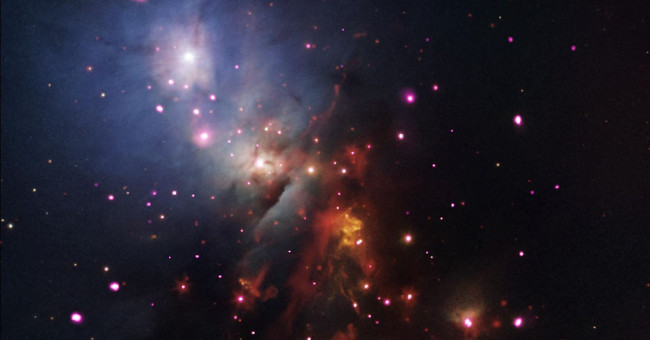
Previous studies with Hubble, Spitzer and ALMA showed that brown dwarfs can be 70 times larger than giant stars like Jupiter.
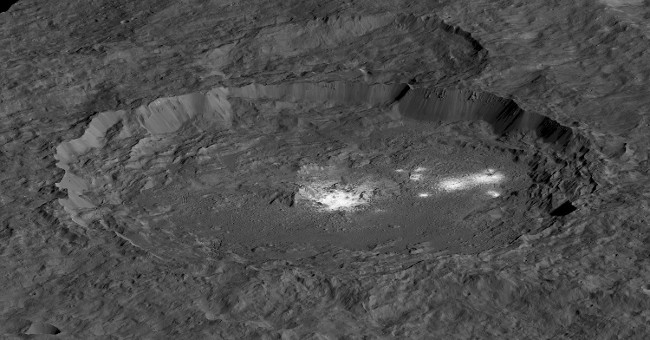
Unexpected discovery related to Ceres dwarf planet has just been discovered by scientists.
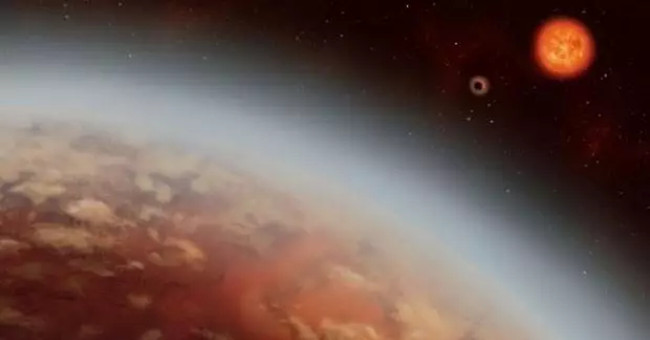
An exoplanet at 111 light-years away could be a large version of the Earth with conditions suitable for life.
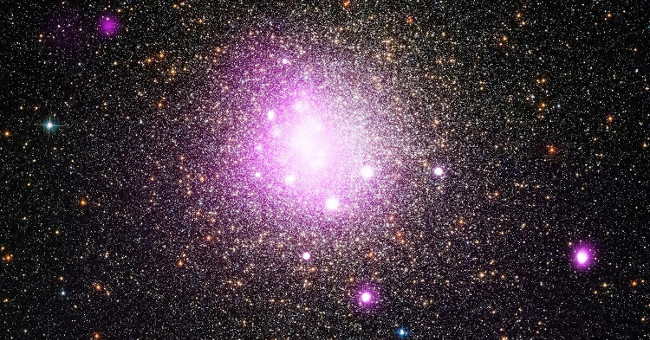
Black holes can tear up a white dwarf star, creating high-energy cosmic rays and neutrinos rushing towards Earth.
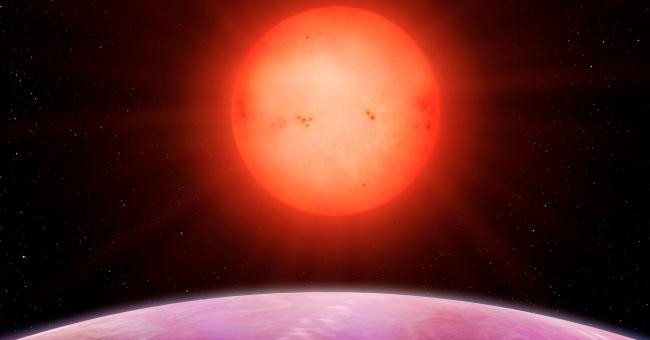
The finding contrary to the astronomical hypothesis concludes that a star so small cannot create a planet too large.