Space science
Journey to discover Pluto
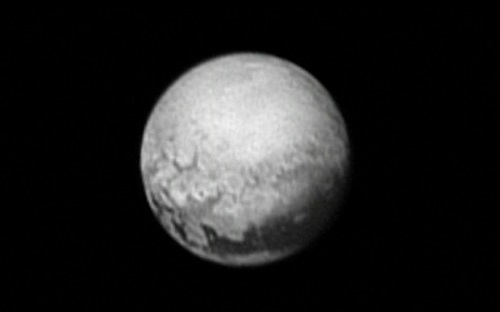
New Horizons was the first spacecraft to successfully reach Pluto after a nine-year long journey, nearly 5 billion kilometers, opening new research directions since the…
Browse ScienceInfo articles and explainers related to Dwarf.
396 published items.
New Horizons was the first spacecraft to successfully reach Pluto after a nine-year long journey, nearly 5 billion kilometers, opening new research directions since the…
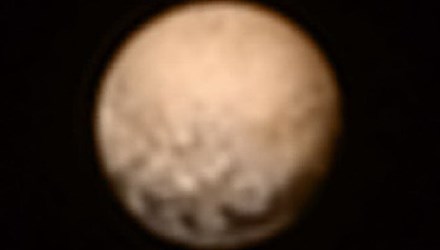
After a few glitches that led to poor image quality, NASA's New Horizons spacecraft finally sent more clear images to Pluto.
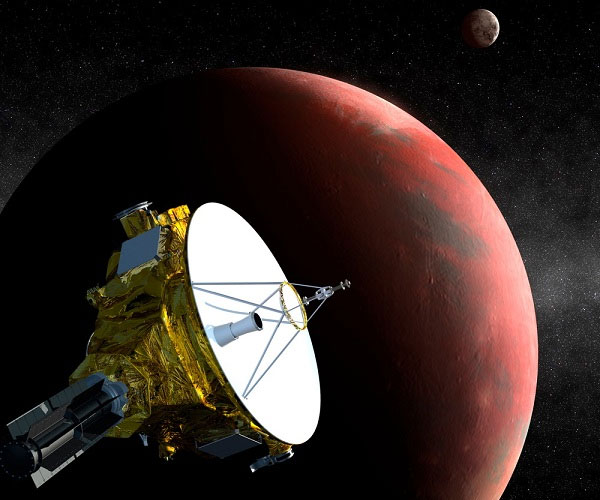
After 9.5 years of space travel, a distance of nearly 5 billion km, NASA's New Horizons (temporarily called the New Horizon) is about to approach Pluto (Pluto).
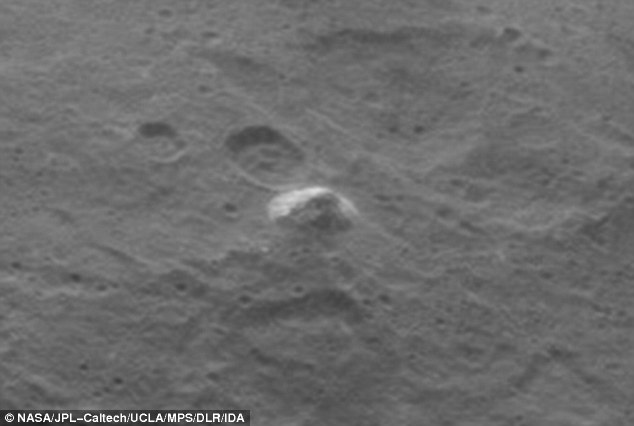
Discovered in 1801, Ceres is the dwarf planet closest to the Sun. By 2012 NASA's Dawn spacecraft approached this dwarf planet to learn about the upper layer of its surfa…
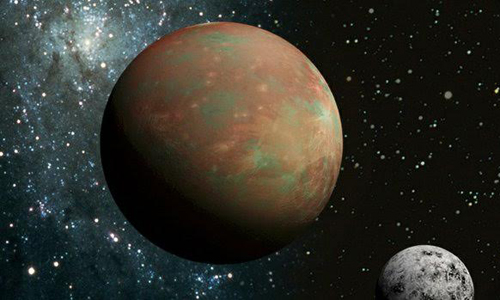
The spacecraft of the US Aeronautics Agency (NASA) approaches Pluto, opening hopes of ending the debate about whether or not to consider this a planet.
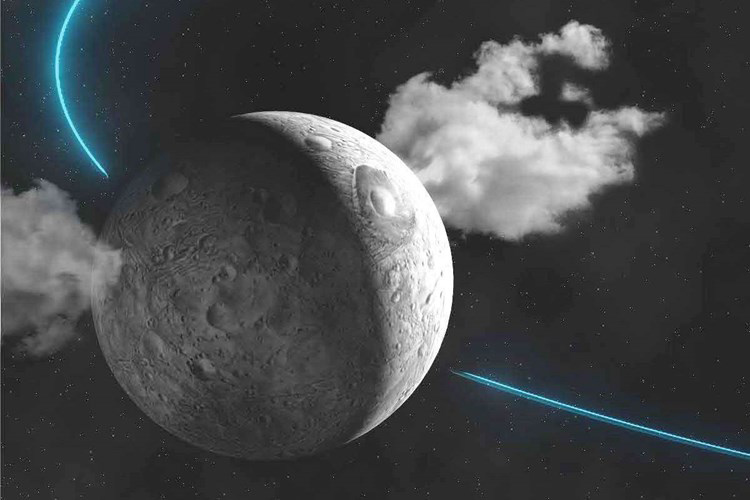
Ceres is the smallest dwarf planet known in the solar system that contains many shocking facts that astronomers love to explore.

The Sun is just one of many stars in the universe, hidden mysteries waiting for people to discover.

The US Aeronautics and Space Administration (NASA) has published a picture of an explosion in the universe that has the same color and shape as a brilliant firework disp…

Research by American scientists shows that a red dwarf once glided through the solar system 70,000 years ago at close range.

Two white dwarfs rotate very quickly around each other in a mysterious nebula. The distance between them is so small that they will surely become a star and explode.
Through the Kepler telescope, American scientists have discovered Earth's trio of warm planets with at least one potentially habitable planet.

After 9 years left Earth, spacecraft
Astronomers announced that they have discovered a giant belt system surrounding a brown / foreign dwarf planet located more than 430 light years from Earth.

On a planet hundreds of light years from Earth, the wind blows at the same speed as sound, and the temperature is so high that it melts and water evaporates continuously.

For about 4 billion years, the Milky Way galaxy will merge with the Andromeda galaxy. The result of the integration process will be an elliptical galaxy called