Space science
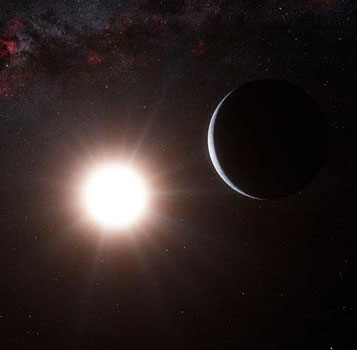
Discovering the planet is nearly the same weight as the Earth
Astronomers are looking for a world like Earth that will not need to search further than even our closest star system - Alpha Centauri.
Browse ScienceInfo articles and explainers related to Earth Like.
64 published items.
Astronomers are looking for a world like Earth that will not need to search further than even our closest star system - Alpha Centauri.

An international group of astronomers has just confirmed the existence of an exoplanet that can meet the perfect conditions for life to exist. The discovery of the plane…
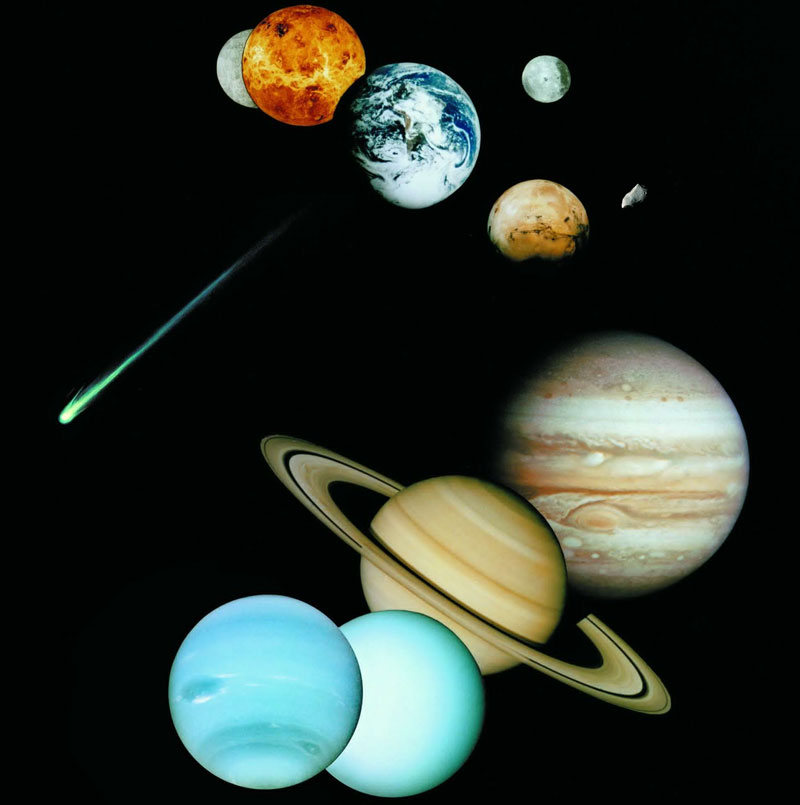
The National Aeronautics Agency (NASA) on January 26 said the Kepler telescope has discovered 11 new planetary systems that contain 26 planets.
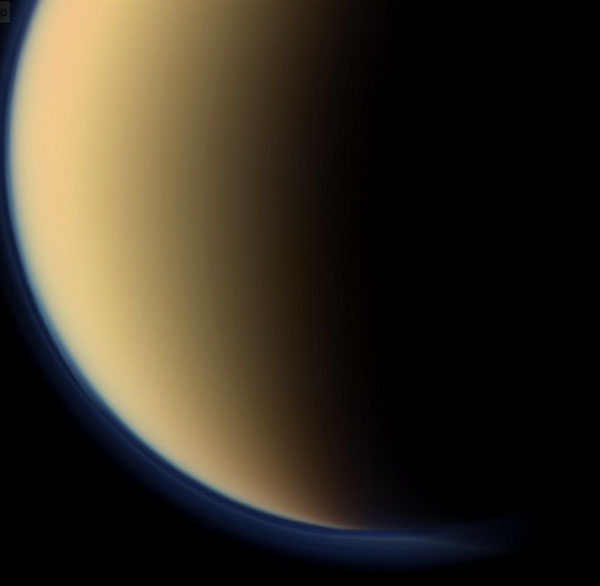
Titan is Saturn's largest moon and is also the only moon known to have a dense atmosphere. Understanding more about the working mechanism of this hazy atmosphere will he…
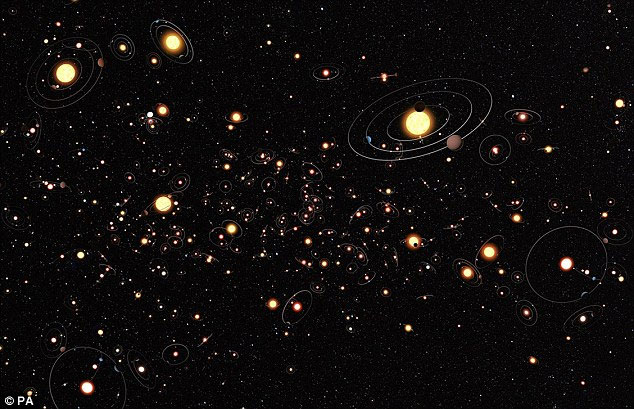
Up to 10 billion stars in the Milky Way have satellites orbiting in an orbit suitable for life.
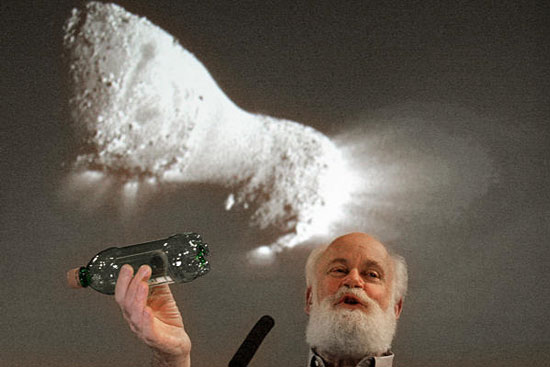
Comet Water Hartley 2 is the most similar to the ocean on Earth compared to the human comets once knew.

A new planet discovered about 36 light years away is considered the most likely planet for life ever, if it has enough cloud around, information in National Geographic s…
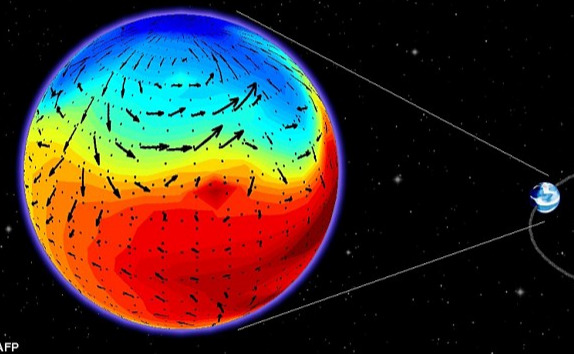
Scientists at the institute 'Institut Pierre Simon Laplace, based in Paris, France, said they have discovered a planet with similar conditions to the Earth, which is 20…
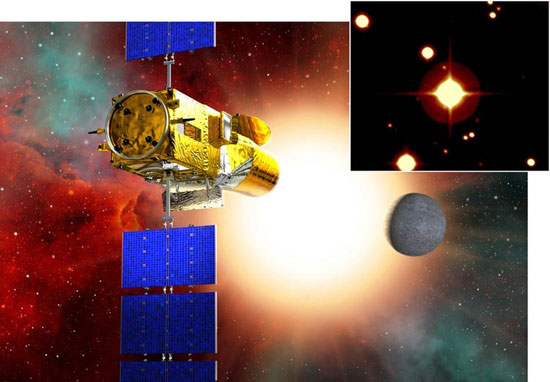
The new findings show that planets are closer or larger than the size of the earth as well as having the same earth-like composition, common throughout the Galaxy.

A statement shocked scientists when the number of Earth-like planets was found to reach 140 in just a few weeks.

An official of the US Aeronautics Agency (NASA) and many other astronomers insist they will find a planet with life in four or five years.
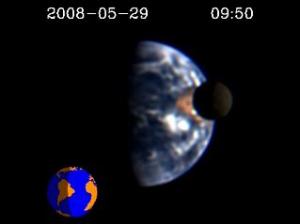
Since the early 1990s, astronomers have found more than 300 planets orbiting sun-like stars, nearly all of which are giants like Jupiter.
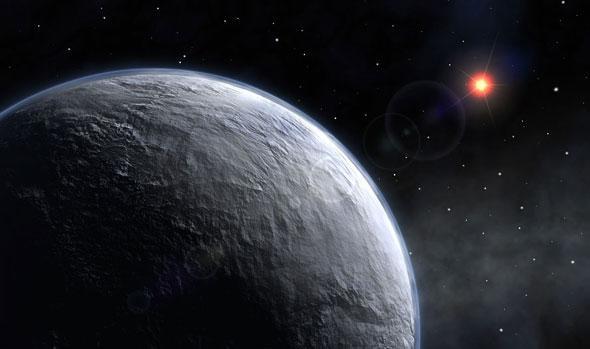
Thanks to the ability to detect the occurrence of extraterrestrial planets orbiting distant stars, scientists are now able to study hundreds of solar systems.

Two newly discovered meteors can give new insights into the formation and evolution of these small planets.
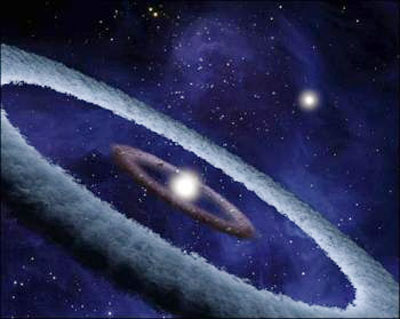
Moving close to a giant warm dust belt, an Earth-like planet is being formed by our 424 light-years. This is the result of tracking the rare images of the young planet c…