Space science
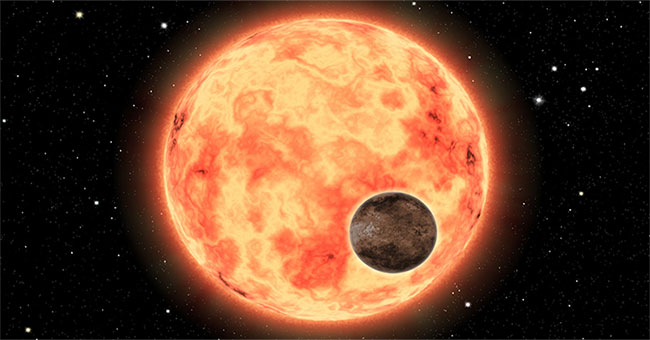
Detecting super-Earth has 1 year long 42 days
The team of scientists from the University of Florida (USA) has just published the research results on the Monthly Report section of the Royal Astronomical Society of En…
Browse ScienceInfo articles and explainers related to Earth.
6,634 published items.
The team of scientists from the University of Florida (USA) has just published the research results on the Monthly Report section of the Royal Astronomical Society of En…
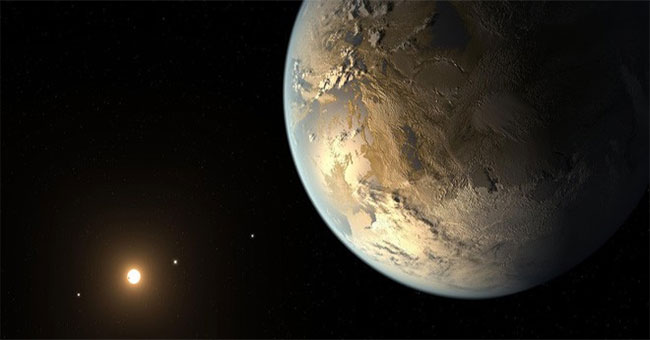
Our planet is under great pressure, it is from the people we create, not far away.
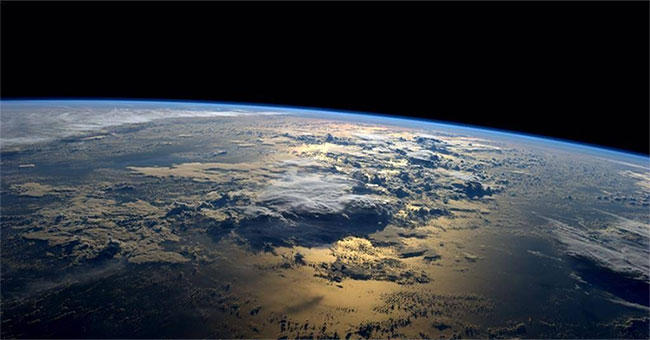
We live in an age where people can admire their common home from space. During the history of tens of thousands of years, it was unbelievable.
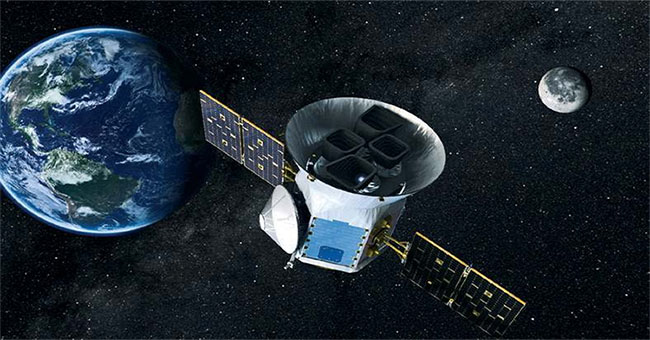
After 3 months of space launch, TESS - NASA's latest spacecraft will begin its journey to realize its special mission.

The European Space Agency (ESA) published a video of the flashes of light appearing on Earth's natural satellites due to collisions with meteorites on July 17 and 18, Sp…
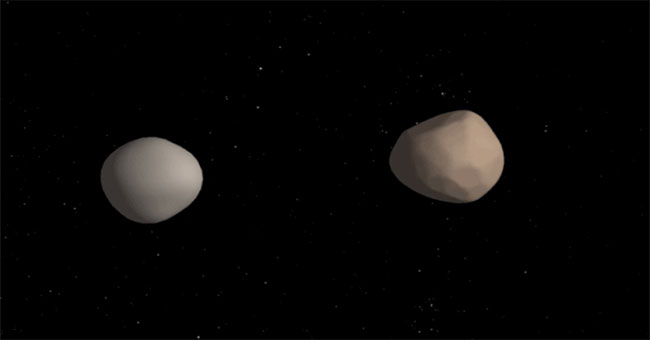
When observed with radar telescopes, the scientists found that it was actually a set of two 915m-long objects circling each other around a period of about 20-24 hours.

Ross 128b, the planet belongs to another solar system in the constellation Virgo, is capable of surviving better than the earth. One year on this planet is only 9.9 days.
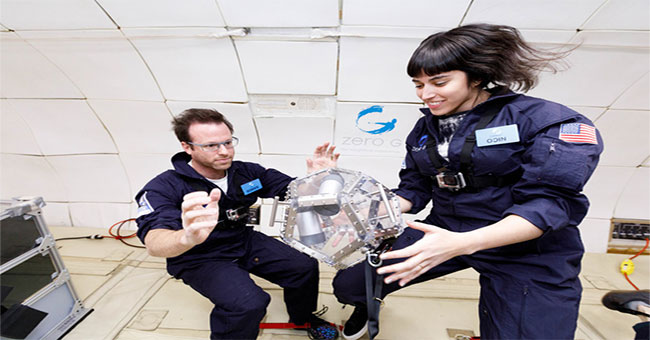
There is no denying and undeniable: the Earth civilization possesses the most interesting culture in the universe.
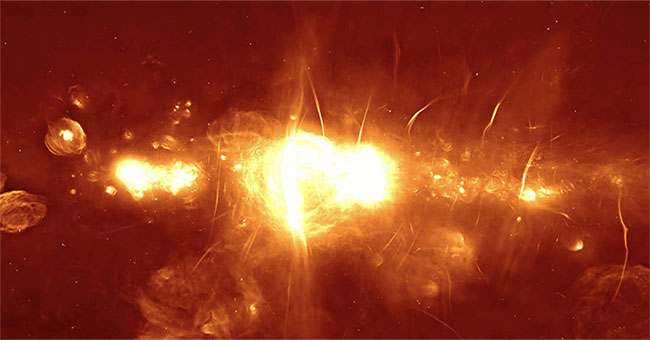
The Earth belongs to the solar system, and the solar system is part of the Milky Way - or the Galaxy (Milky Way). This is probably the most basic knowledge for anyone wh…

Mr. Ashurbeyli's declaration of the establishment of the new state was presented at a ceremony held on June 25 in Vienna.
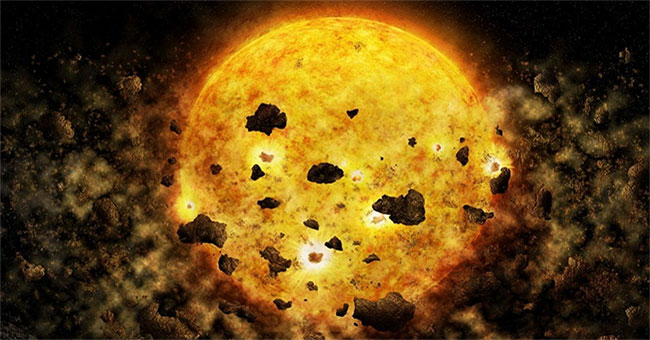
Scientists can first observe a young star
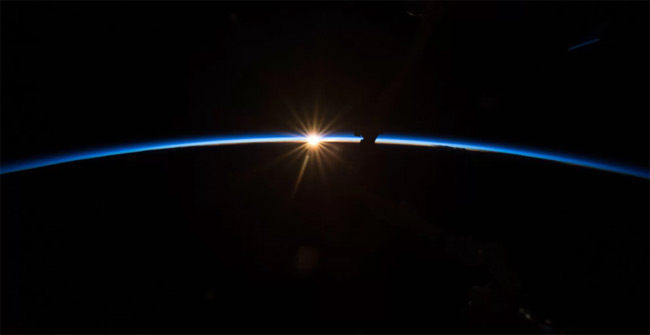
Don't miss the chance to admire this rare moment between the Sun and the Earth. The rare moment when the sun lies on the horizon, the perfect, sparkling shine.
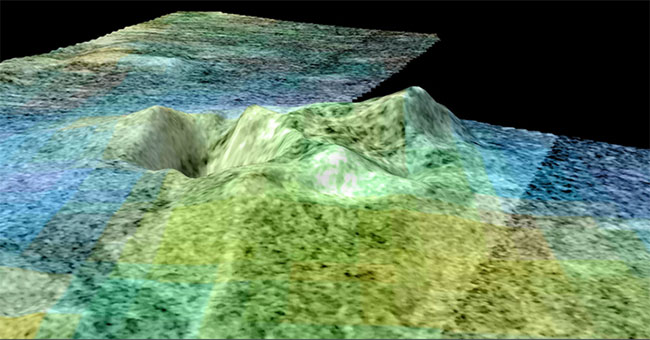
The study has just published in the Astrobiology scientific journal of the US scientists group of many units, using data that Cassini research spacecraft.
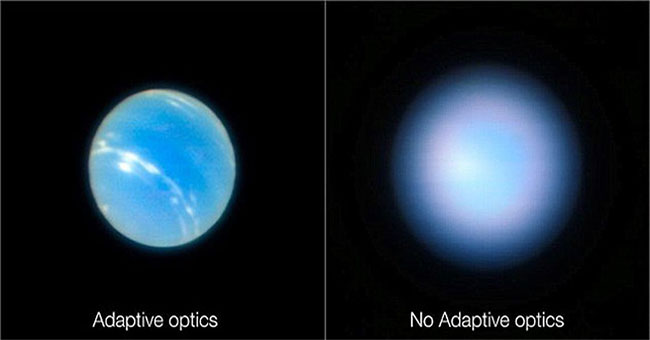
The Very Large Telescope (VLT) of the Southern European Observatory (ESO) has received the first light rays after activating the new adaptive optical mode.
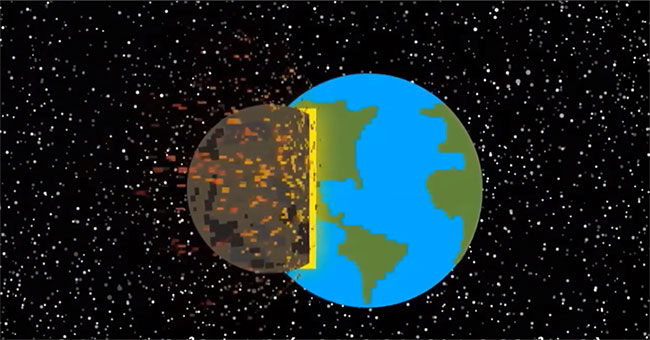
Strong collisions with other celestial bodies or certain external influences can cause a planet to crumble.