Space science
Where do meteors around the Earth come from?
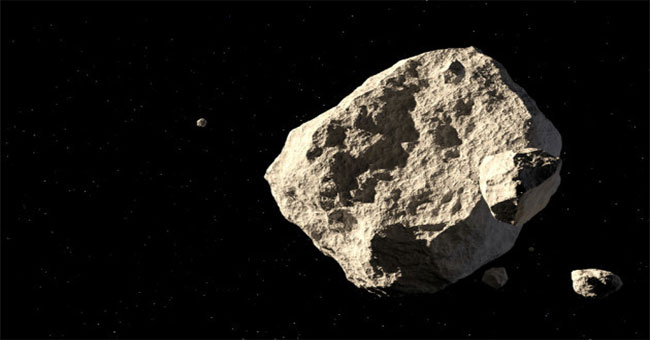
According to the latest research, most small bodies in space originated from 5 or 6 small planets that exploded and still move around our Solar System.
Browse ScienceInfo articles and explainers related to Earth.
6,634 published items.
According to the latest research, most small bodies in space originated from 5 or 6 small planets that exploded and still move around our Solar System.
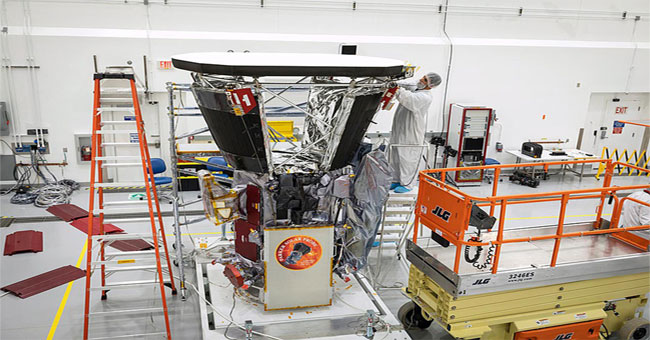
Taking charge this time is the unmanned probe Solar Parker. The ship is named after astronomer, astronomer Eugene Parker - who first introduced the concept of the solar…
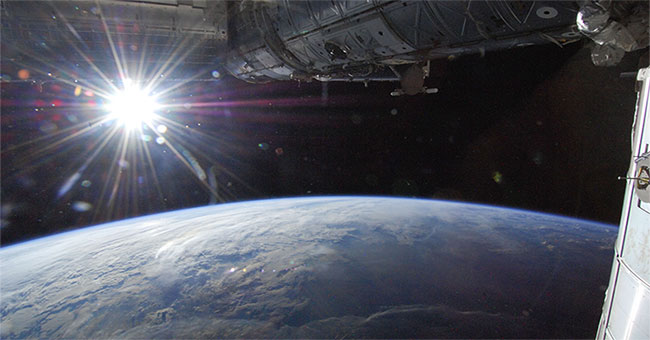
The weather is hot, the temperature rises to record levels taking place in the past week in the world, in North American cities like Denver, Colorado; Burlington, Vermon…
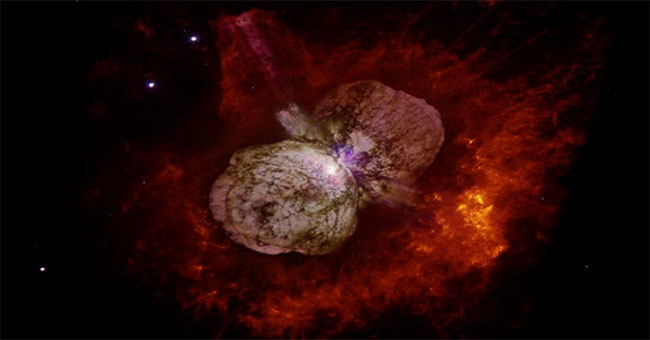
Located 7,500 light-years from Earth, the Eta Carinae star system is formed by two stars that are 90 and 30 times the mass of the Sun, extending 225 million km (140 mill…
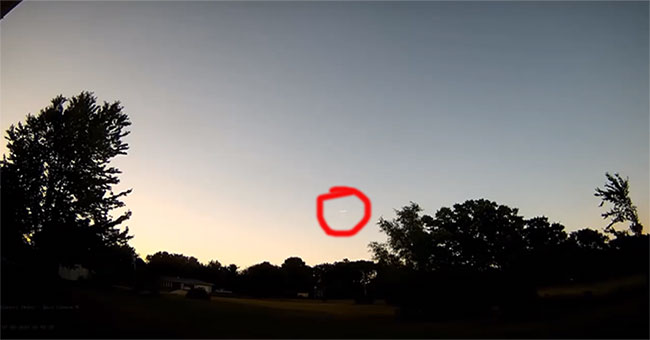
The American Meteorite Association (AMS) received more than 270 reports of seeing fireballs rushing through the sky from northwest to southeast 8/7, the Daily Herald rep…
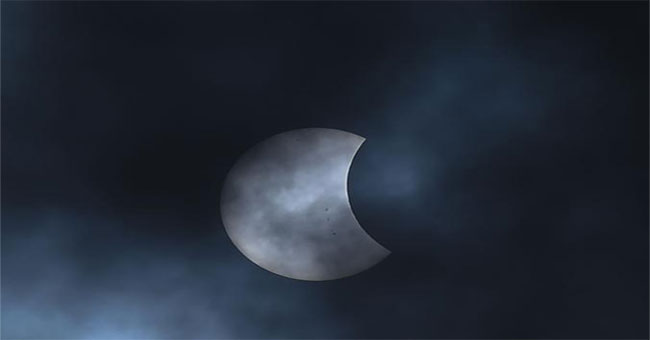
According to National Geographic, on Friday the 13th, a partial solar eclipse will appear in the sky and can be observed from the southeast coast of Australia, Tasmania…
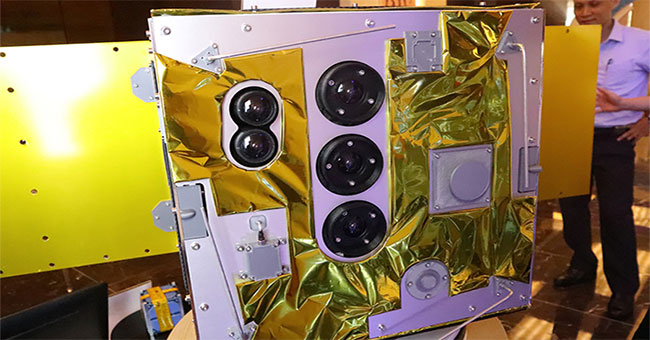
Micro Dragon was built by 36 Vietnamese engineers, from the Vietnam Space Center, Vietnam Academy of Science and Technology (VNSC) since 2013.
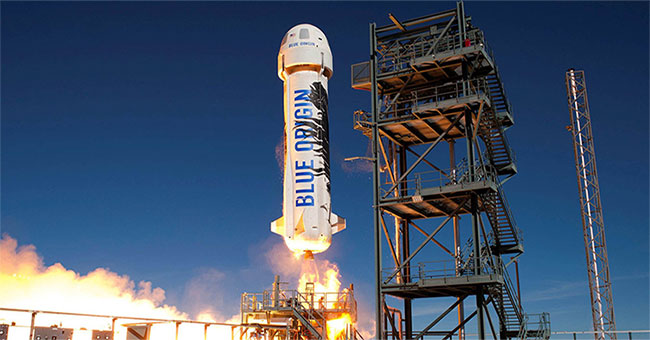
Both SpaceX by Elon Musks and Jeff Bezos's Blue Origin are racing in the space travel industry.

According to the plan, this ship will make three landings on Ryugu to collect soil samples. The first landing is scheduled for September or October.
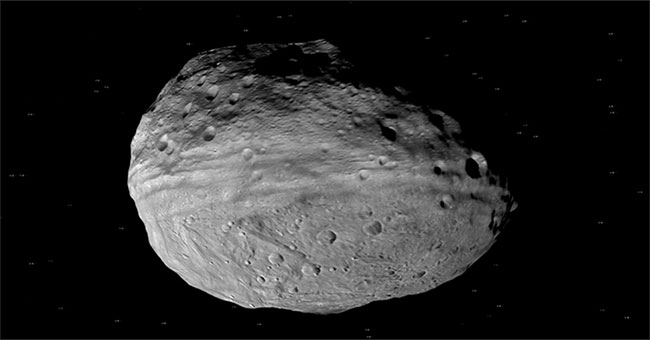
The asteroid named 4 Vesta or Vesta is large and is bright enough to be observable from Earth despite being 170 million km away, Metro reported yesterday.
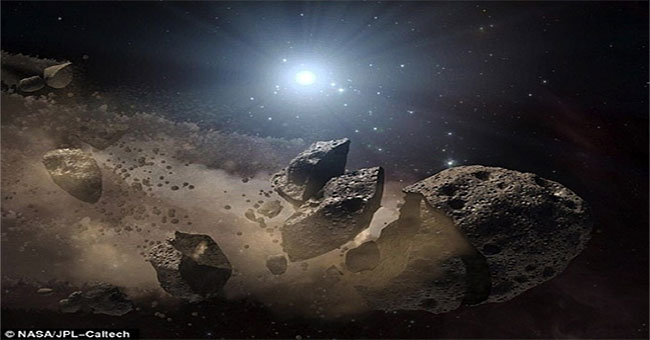
The motivation for scientists and entrepreneurs to understand meteors comes mainly from human survival instincts.
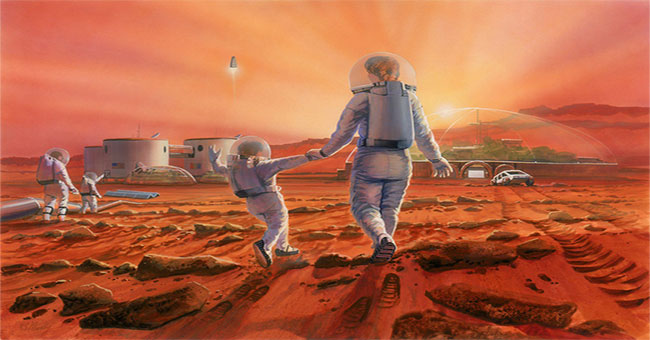
Elon Musk really wants us to get out of the Earth and explore the universe, even if no aliens are waiting to welcome humanity.
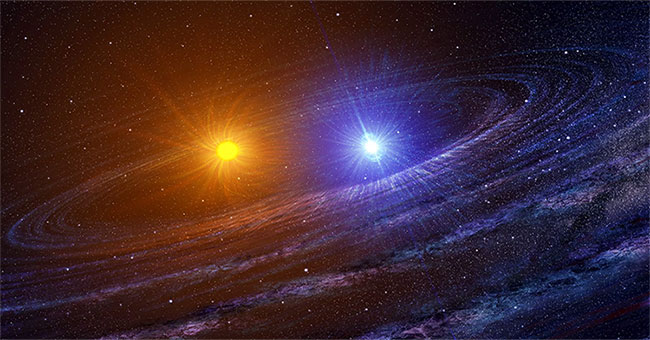
In the 1980s, physicist Richard Muller at the University of California, Berkeley presented the idea of a twin star with our Sun.
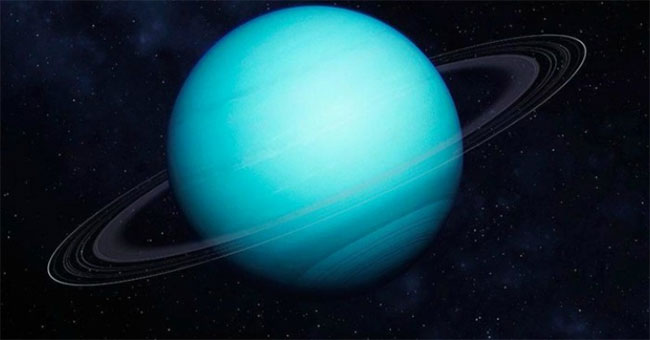
All planets in the solar system are inclined to the same side, except for Uranus. The north-south axis of the blue-green planet is 98 degrees above the Sun's orbit.
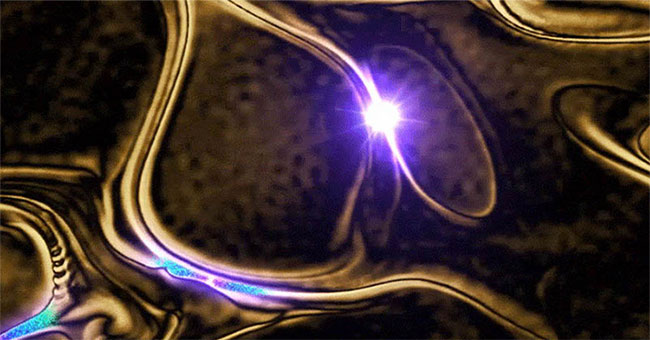
NASA's Multospale spacecraft (MMS) detects unusual magnetic activity in the atmosphere near the Earth.