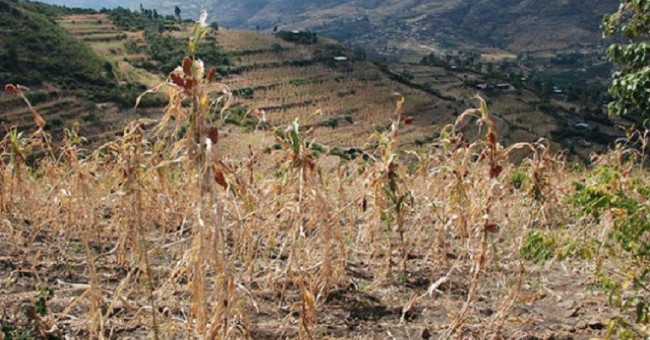
Environment
El Nino is about to end in the Caribbean
The above information was announced by Cuba National Meteorological Institute on July 19.
Browse ScienceInfo articles and explainers related to El Nino Phenomenon.
45 published items.
The above information was announced by Cuba National Meteorological Institute on July 19.
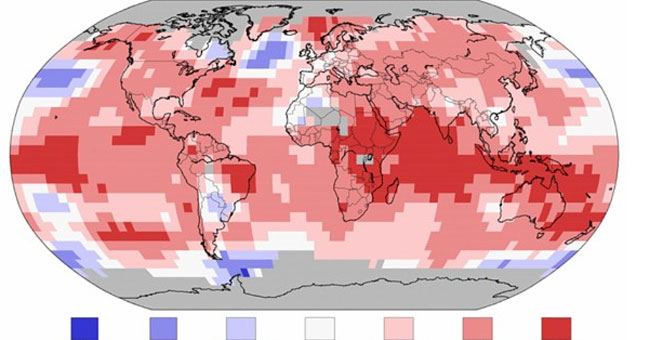
Many meteorological agencies around the world warn that 2016 will continue to break the record and become the hottest year in history.
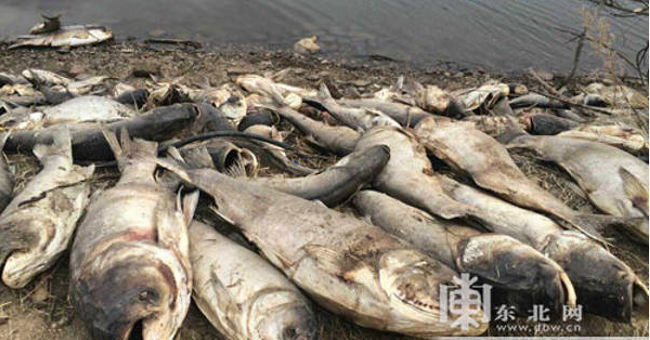
While our public opinion is worried about fish dying in the Central Sea, people in many other places around the world are also standing still while witnessing the same p…
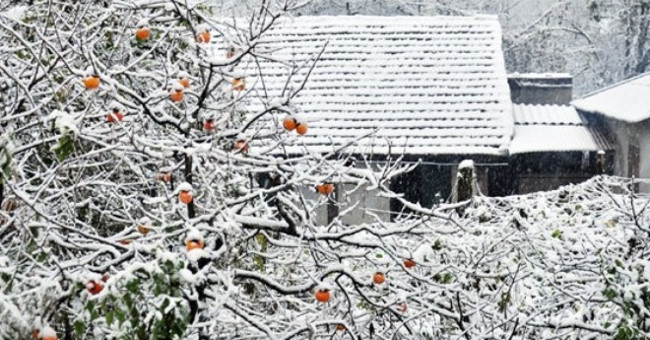
Summer ... hot record, but why is the winter cold record?
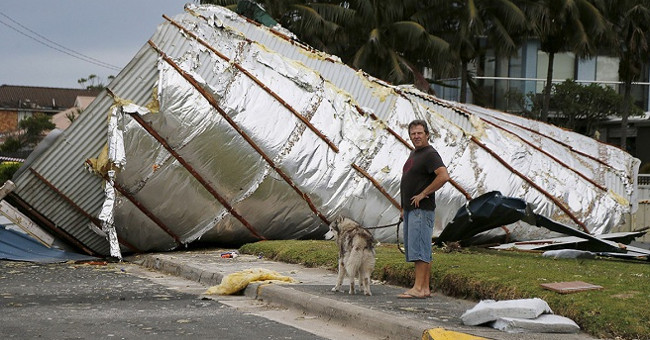
Tornadoes with a gust of wind over 200km / h accompanied by heavy hail of balls pouring down made Australia's largest city fall into ruins after only one day.
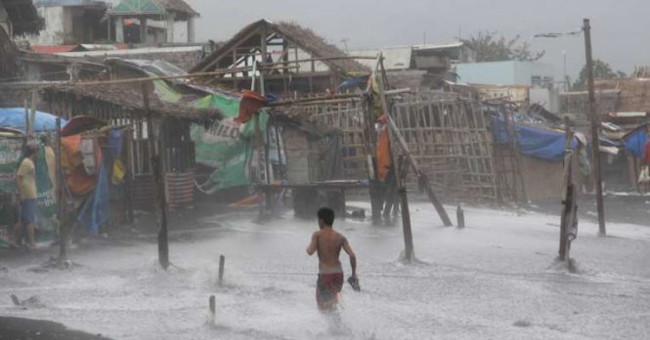
In the afternoon of December 17, Typhoon Melor weakened into a low pressure area and dissipated on the East Sea. But off the Philippines, there is a new storm.
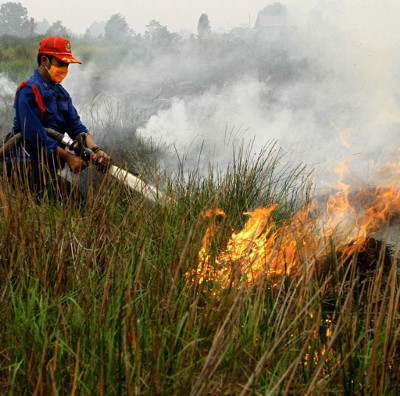
The Indonesian president proposed four countries, including Russia and Japan, to help stamp out the fire, which caused the thick dry haze to spread across the region for…
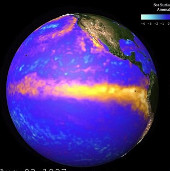
This year's El Nino phenomenon is on track to become one of the most horrific incidents of this type ever recorded, and may even be more intense than the historic El Nin…
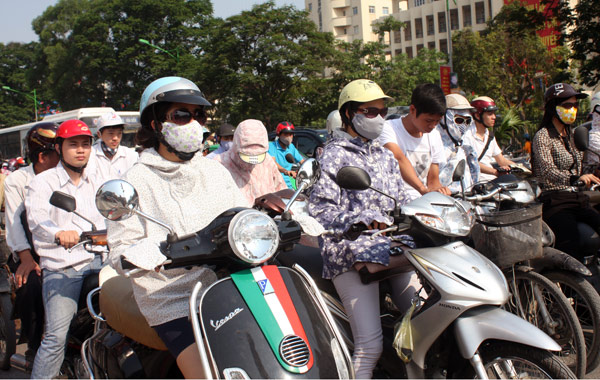
According to the Central Center for Meteorological and Hydrological Forecasting, unusual hot weather is happening in the North and Central regions, which is considered a…

Scientists say that the temperature in Antarctica has reached a record, 17.5 degrees Celsius, the highest level in history, not only that, the world temperature in 2015…
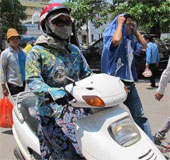
In the middle of autumn, the temperature is up to 34 degrees Celsius, the night sleep still has to turn on the air conditioner because of the effect of El Nino phenomeno…
The rise in the Pacific ocean water temperature and the influx of hot ocean currents have raised concerns that the El Nino phenomenon this year will be the most intense…
A new study published in the journal Nature Climate Change today shows that climate change will make El Nino's frequency increase significantly in the 21st century.
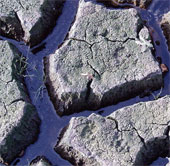
According to recent research by scientists, the phenomenon of El Nino is getting worse because of the global temperature rise.
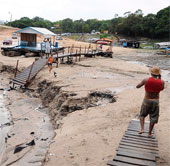
The new technology will help to provide an earlier time estimate (about 12 months before the El Niño phenomenon) with a relatively high accuracy rate.