New technology
Makes hair less than 60,000 times hair
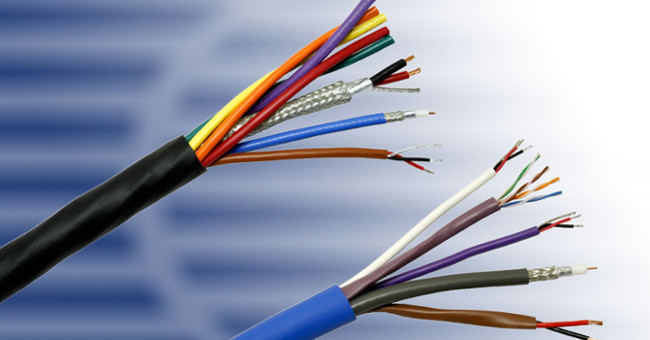
Microbiologists at the University of Massachusetts Amherst have found a way to make the wire a thousand times thinner than hair strands.
Browse ScienceInfo articles and explainers related to Electricity.
880 published items.
Microbiologists at the University of Massachusetts Amherst have found a way to make the wire a thousand times thinner than hair strands.
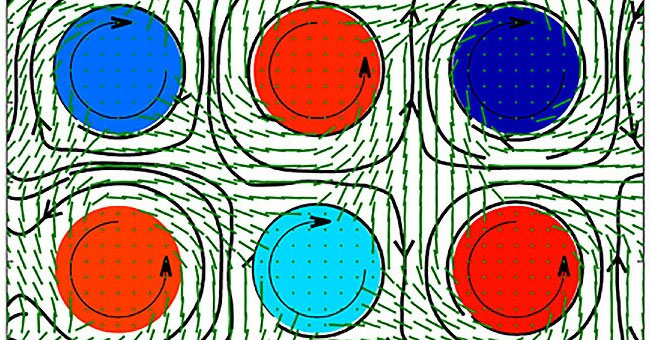
Imagine that someday in the future, liquid tanks filled with bacteria that will be alive will become small-scale energy sources.
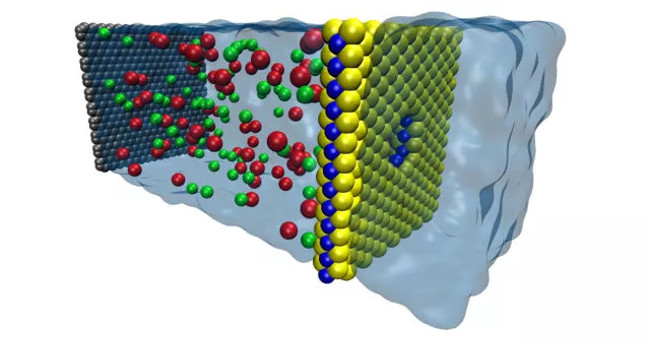
It is possible to generate energy from the difference between saltwater and fresh water. When saltwater and fresh water are separated by a membrane of certain types of i…
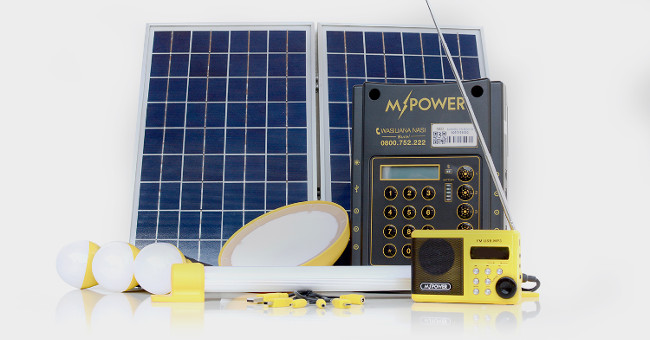
Off-Grid Electric is a non-profit startup company that aims to use cheap solar panels to supply electricity to rural areas of Africa.
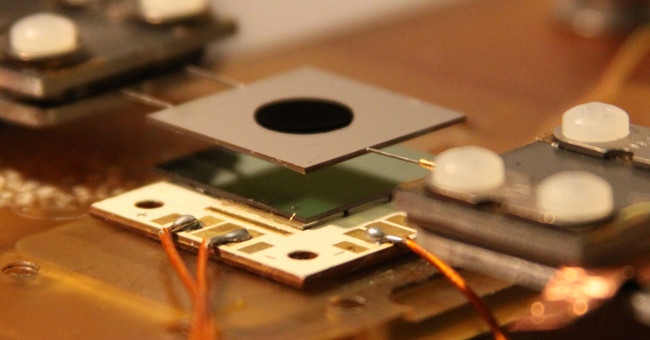
A team of scientists at the MIT Research Institute has discovered a number of methods that can convert solar energy into electricity more efficiently than before.
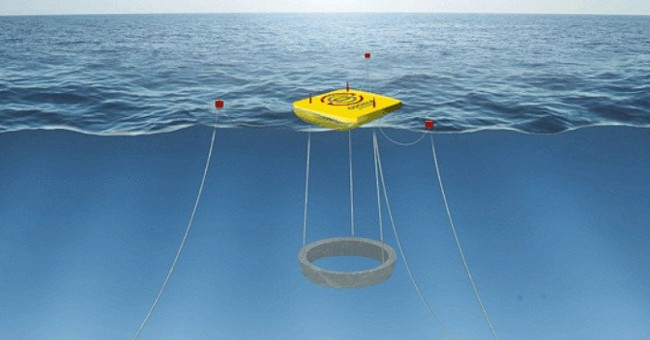
Most scientists agree that the sea is the birthplace of life on Earth. Currently, people are aiming to research space space mainly.
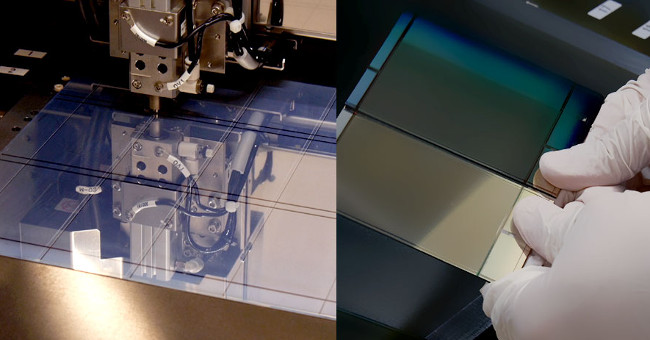
A touch screen that can be used to charge the phone is being tested.

Damaged or deeply eaten tomatoes, or tomatoes and tomato seeds leftover when producing ketchup will be discharged into landfills and will create dangerous methane gas. B…
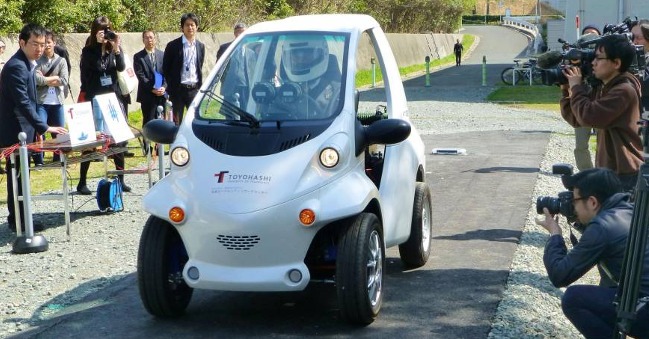
Japan's Toyohashi University of Technology has introduced a trial version of the electric car that can operate without a battery. This car is powered by electricity…

Have you ever thought of turning urine into electricity? Not silly at all. Now that has come true, not only that, this source of electricity has a low production cost an…

Imagine that electrical energy is always around us, just as you move, or walk a step can produce energy.
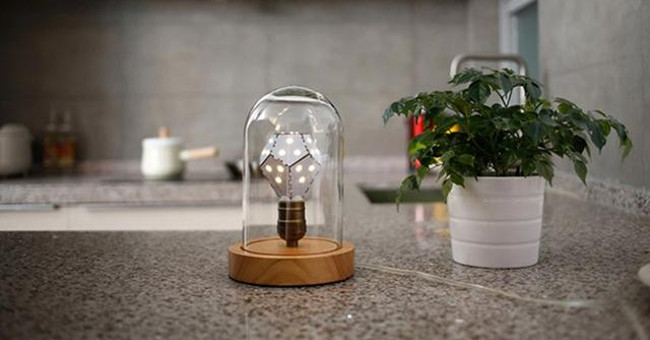
Power-saving lamps, LED lights we all have seen, today we will see a unique energy saving lamp in the world - Nanoleaf Lamp.
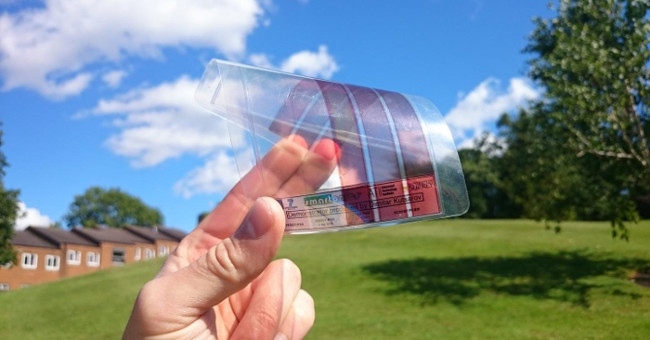
In the future, houses will be decorated with patterns

Scientists want to create a kind
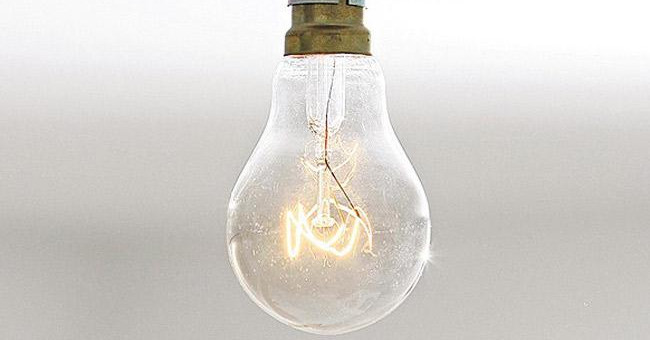
Once upon a time, incandescent bulbs were no longer used in everyday life, on the grounds that they were extremely wasteful of electricity.