
New technology
Research on developing plant roots capable of conducting electricity
A new research project from Linkoping University (Sweden) has proven that using plant roots as an energy storage device is a viable option.
Browse ScienceInfo articles and explainers related to Electricity.
880 published items.
A new research project from Linkoping University (Sweden) has proven that using plant roots as an energy storage device is a viable option.

Ko-Solar Company plans to install solar panels on Interstate 95 roadside acoustic walls, which is expected to produce enough electricity for 100 homes.

The video below captures the process of assembling a giant wind turbine, from the steps of building the foundation, assembling in the engineering workshop, to finishing…

Recently, the product of Vietnamese workers has attracted attention on the British general news site Newflare.
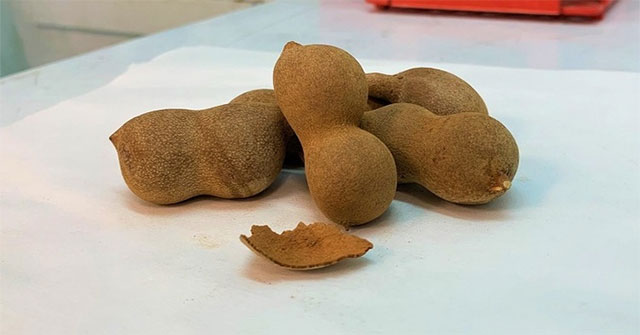
Tamarind shell is rich in carbon, high porosity, and scientists form carbon nanosheets capable of accumulating electricity

O Dong Duc Dam generated electricity from all 12 generators on June 16, supplying electricity from the Yangtze valley in the southwest to the most populous areas in the…

The physicist with a rather strange name actually contributed only a small part as explaining the principle of radio waves, magnets and battery charging. But why is he s…
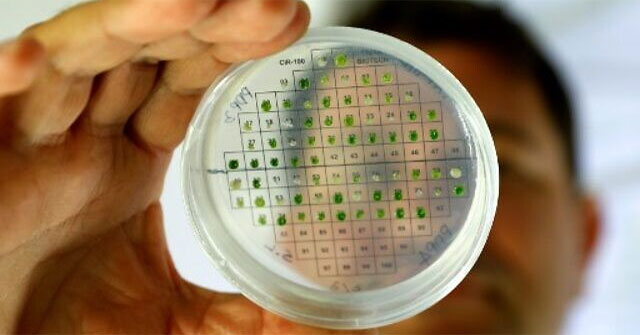
On July 6, scientists from Tel Aviv University (Israel) announced a nanomaterial that can 'catch' parts of the body to produce electricity.
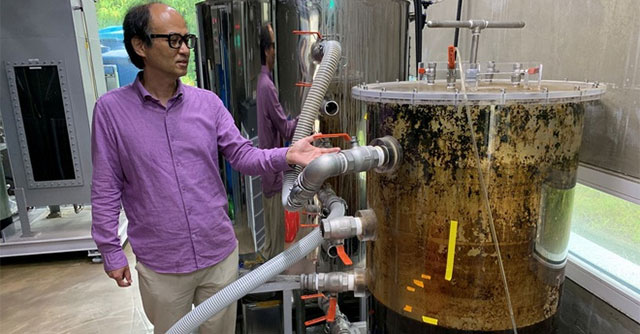
The BeeVi eco-friendly toilet, an invention from a university in Korea, partly makes life easier for students.
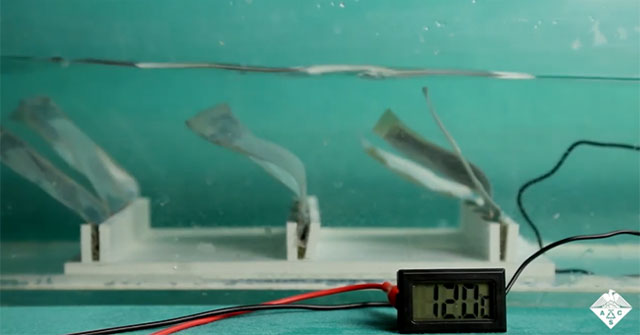
Dalian Maritime University built generators that convert wave motion into electricity, powering equipment at sea.

The O Dong Duc hydroelectric dam project has started to test electricity, with a dam height of 270m compared to the height of 181m of the Tam Hiep Dam.

With a high economic growth rate and the demand for electricity use, an average of more than 10% per year. To meet the demand of electricity for living and labor, the st…
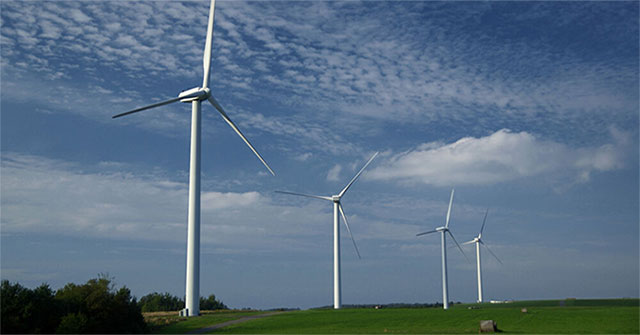
Like solar, wind energy is the fastest growing energy source in the United States, aiming to produce 20% of the electricity as wind power by 2030.

According to researchers from Tel Aviv University, the electricity generated from the interaction between water and metal molecules can be used as an abundant and readil…
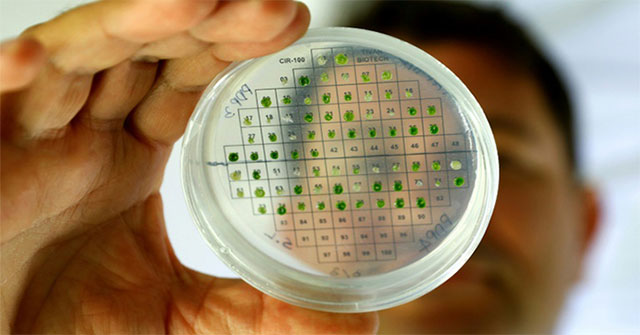
Israeli scientists have found a way to generate hydrogen from microscopic algae, showing the potential of producing electricity from plants in the future.