Oceanography
Detecting killer shrimp species
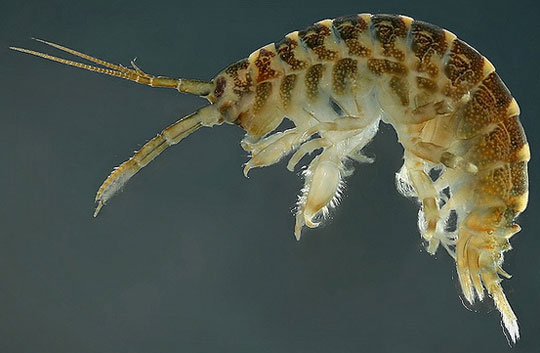
Some fishermen see strange shrimp in Grafham Water, Cambridgeshire county. They eat invertebrate animals in the lake ,,,
Browse ScienceInfo articles and explainers related to Environment.
2,126 published items.
Some fishermen see strange shrimp in Grafham Water, Cambridgeshire county. They eat invertebrate animals in the lake ,,,
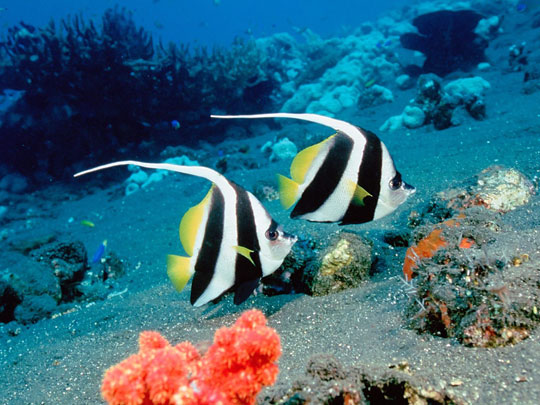
At the current rate of acidification, in the next few decades, marine organisms such as corals, shellfish such as clams and shellfish are in danger of extinction.
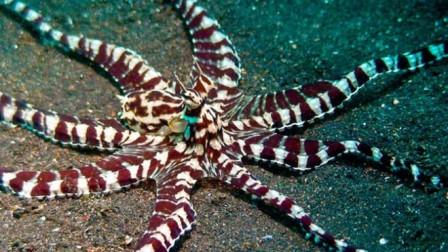
The BBC reported that the Thaumoctopus mimicus octopus living in Indonesian waters could 'impersonate' the same swimming technique of flatfish or sea snakes to survive.
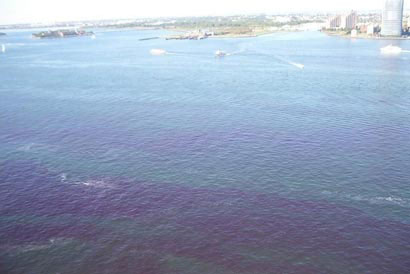
Nearly 16 km of red tape was discovered at the port of New York yesterday and could be harmful to the health of train drivers or swimmers nearby.
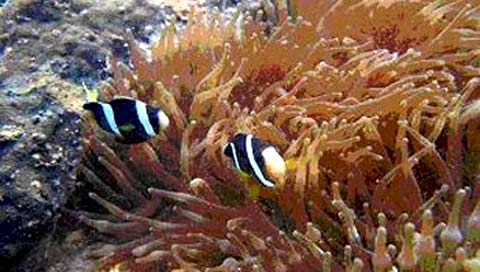
Stealing corals that are being protected in Son Tra Peninsula (Da Nang) can be fined up to VND 10 million

NASA announced it had unexpectedly captured an image of a crustacean living in a water environment 180 meters deep under the ice in Antarctica, where there is no sunligh…
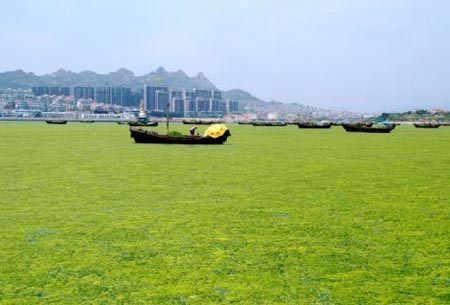
A cluster of algae that covers up to 200 square kilometers is heading toward China's east coast, threatening the region's ecology and tourism.
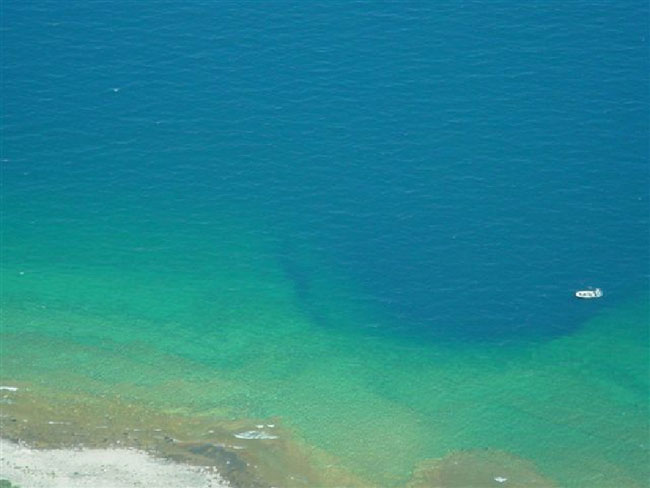
Strange geological formations are creating conditions for the floating microbial carpet to grow in the Great Lakes.

Scientists at Columbia University in Canada have discovered an unprecedented role for fish, is

The conclusion of a group of US and Swedish scientists shows that dead sea areas - where aquatic species cannot survive due to lack of oxygen - are continuing to expand.
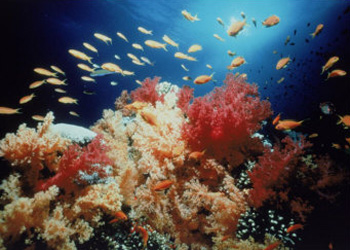
In some species of scaly oceans, the temperature determines the sex of the fetus. A series of experiments by two Spanish scientists showed that the higher the temperatur…

The increase in CO2 in the atmosphere makes the ocean acidification become more serious.
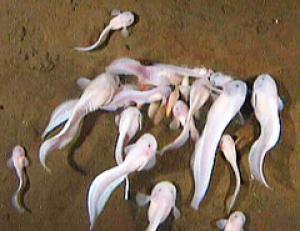
Scientists filmmaking in one of the world's deepest slots discovered a fish-like tadpole (snail) that lives in the flock gathered around the bait.
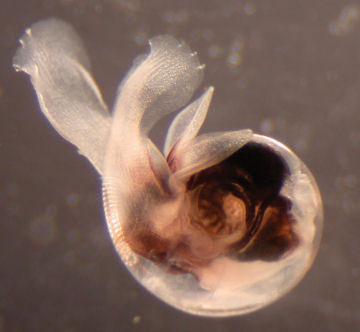
Based on future ocean simulation experiments, Hutchins calculates that the evolution of plankton means that more species will appear to hunt bacteria and less fish.