Medicine - Health
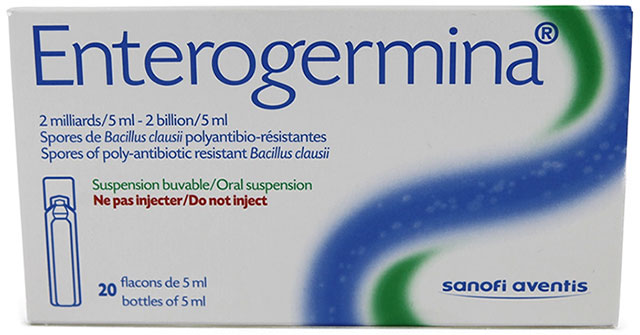
All useful information about Enterogermina® drugs
Enterogermina® drugs are often used to treat and prevent intestinal bacteria.
Browse ScienceInfo articles and explainers related to Enzyme.
226 published items.
Enterogermina® drugs are often used to treat and prevent intestinal bacteria.
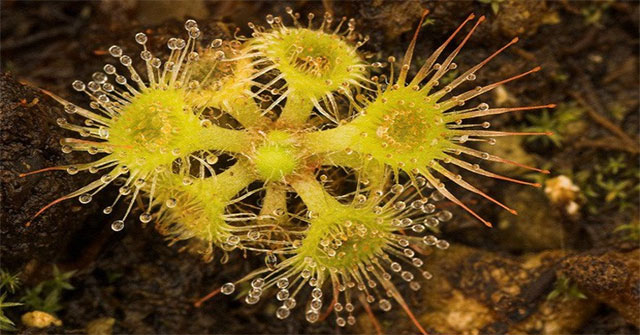
With an incomparable turn-on mechanism, ultra-long tentacles of the outer leaf layer, Drosera glanduligera is really self

Mankind is familiar with drinking cow's milk for millennia thanks to the biological evolution of the body and progress in animal domestication.
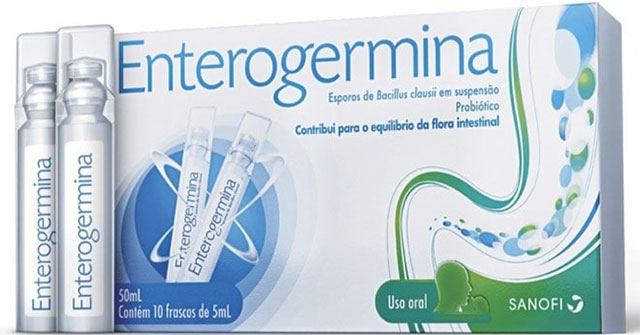
For mothers of small children, no one is familiar with Enterogermina, because it is known as a savior for babies to have a healthy digestive system, and to stabilize the…
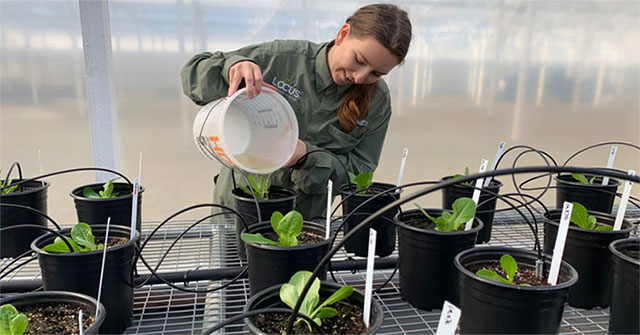
On thousands of acres of oranges in Florida, farmers are adding mushrooms and beneficial bacteria to the soil to help the orange grow bigger and sweeter.

Saliva provides the fluid environment needed to bind food molecules to the tongue taste.
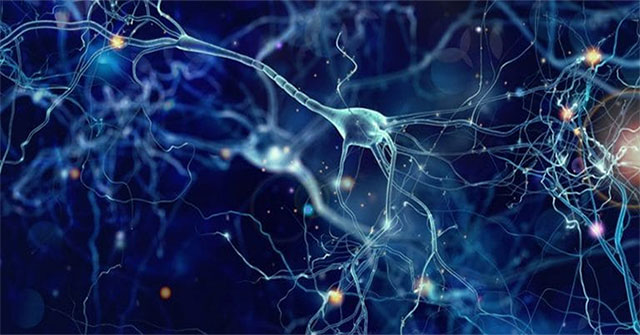
The enzyme ENAMPT has the effect of increasing the level of NAD - a substance that directly affects aging and longevity, according to tests on mice.
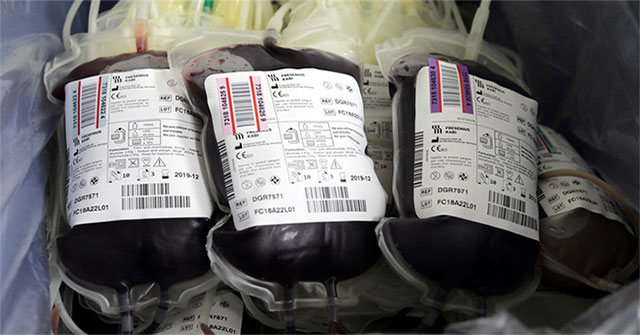
In breakthrough research that could save thousands of lives, scientists have found a way to transform every blood group into O, suitable for all patients through bacteri…
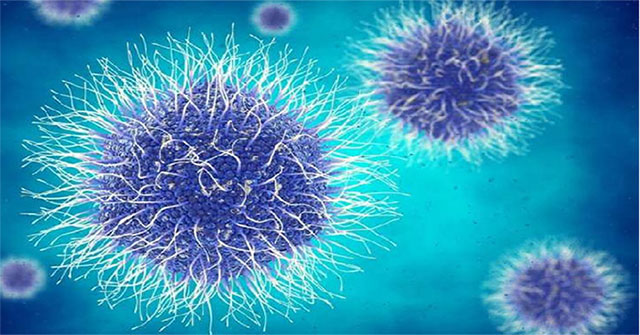
The cytochrome P450 enzyme present in the complex gene of the virus is found to have a great contribution in medicine.
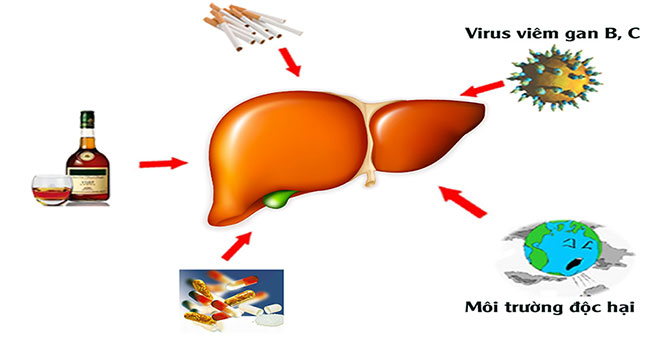
The liver is one of the most important organs in the body and is responsible for certain functions that ensure that the body works properly.

Urine combined with sand and bacteria will create a new construction material, harder than limestone tiles.
Scientists have just made an important step in semi-artificial photosynthesis technology that can even produce a source of

A previous study found that the proportion of men who were drunk was twice as high as women. However, that is difficult for young people now.

The study found the subtle changes in genes involved in ADH1B and ALDH2 alcohol metabolism enzymes, which determine the amount of alcohol.
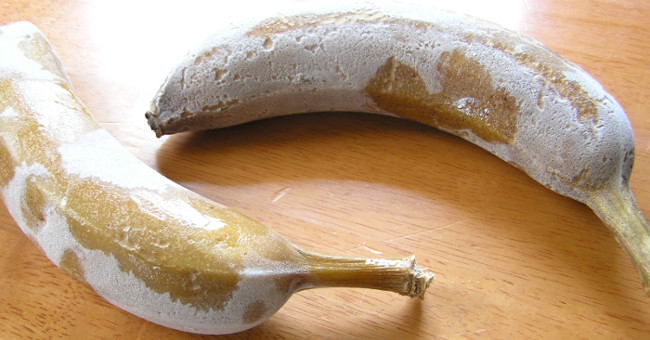
Have you ever observed this strange phenomenon? If not, you can try it. Take a banana and let it freeze (keep it in the freezer for about 1 day), then take it out and le…