
Health
Reasons for easy weight gain: Obesity has 'memory' and retains mechanisms in cells
Research reveals a molecular mechanism in fat tissue that makes people more likely to regain weight. The discovery helps explain
Browse ScienceInfo articles and explainers related to Epigenetic.
12 published items.
Research reveals a molecular mechanism in fat tissue that makes people more likely to regain weight. The discovery helps explain

After performing genomic methylation in a group of patients, the team found that breast phyllodes tumors had unique methylation compared to normal breast tissue and that…

While trying to find a way to regenerate the thymus, scientists at the University of California (USA) accidentally found a solution that not only reduces the aging rate…

Since the 1980s, scientists have found that our left-handed or right-handed are more likely to be identified before we are born.

'Our work is the first to show the epigenetic factor used in improving the physical system of robots', scientists say.

Pregnant maternal mice have a diet rich in methyl-containing additives, such as folic acid, and pups will have more respiratory allergies than mice with maternal mice th…
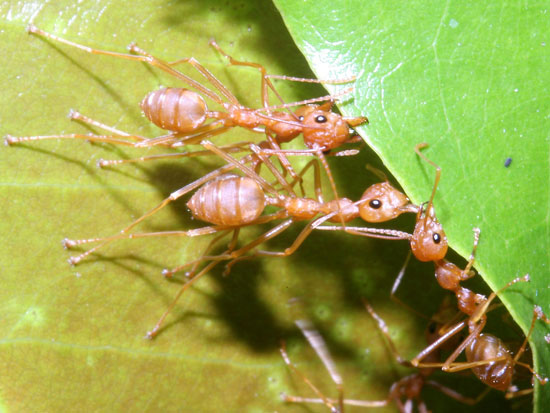
Dr. Danny Reinberg, of New York University, was awarded the ants' epigenetics research to help determine the impact of lifestyle and environment on genes.

This new study only reports epigenetic changes with a single stress response gene called FKBP5, linked to depression, bipolar disorder and post-traumatic stress disorder.

Animal studies show that the behavior of an individual can be influenced by events that occurred in previous generations and passed down through a form of genetic memory.

Thanks to the scanning of DNA in eggs and sperm of mice, the researchers found external factors such as smoking, dieting, starvation, mental illness and fluctuating chil…
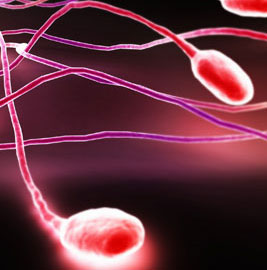
Scientists at the Australian National University have discovered the mechanism of activating genes involved in differentiating cells. Thus, it is possible to cure infert…

Born with eggs, there are identical DNA sets, but not all identical twins and eggs. Why is there such a phenomenon?