Space science
Don't miss the 7 best space events in 2018
Life on Earth is always going on as it used to be, with the chaos, fatigue of housework and bills to be paid on time.
Browse ScienceInfo articles and explainers related to Event.
840 published items.
Life on Earth is always going on as it used to be, with the chaos, fatigue of housework and bills to be paid on time.
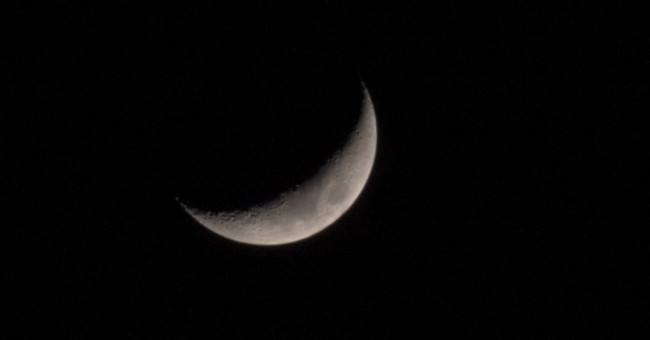
According to expert Dang Vu Tuan Son, Chairman of Vietnam Young Astronomical Society, 2018 will be an attractive year for people who love to observe the sky, especially…

Some argue that the Apollo event on the moon is just a trick by the US government and the Van Allen belt is important evidence in their thesis.
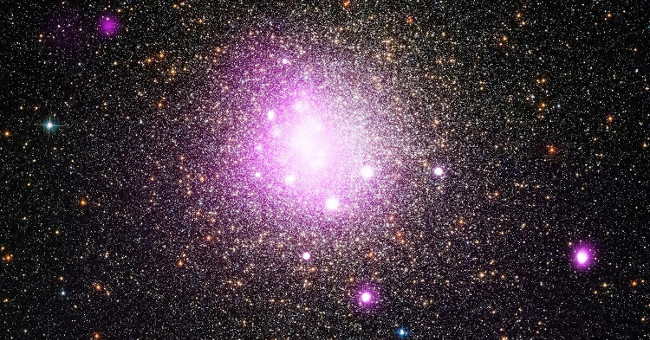
Black holes can tear up a white dwarf star, creating high-energy cosmic rays and neutrinos rushing towards Earth.
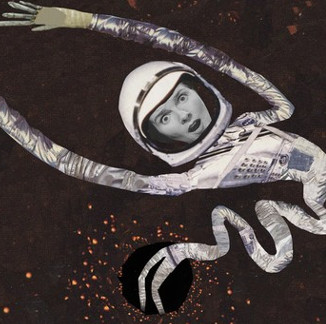
Imitating a warning on the adventure program, we do not encourage you to try this at home.
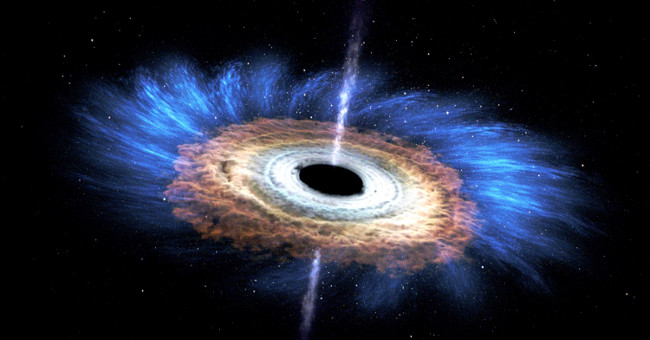
General relativity predicts that a large enough mass of matter within a small enough range will deform space time to become a black hole.
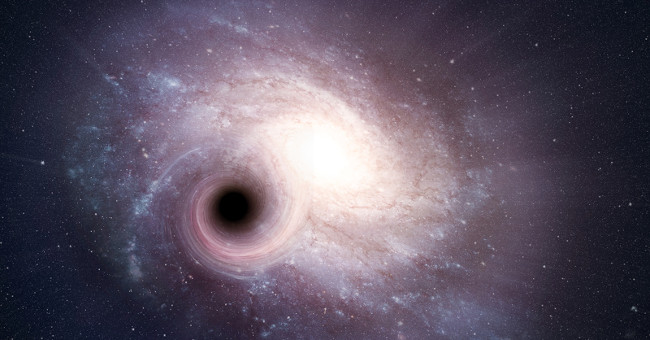
When sucked into a black hole, humans are said to still have a slight chance of escaping from it, returning to their world or to another world.
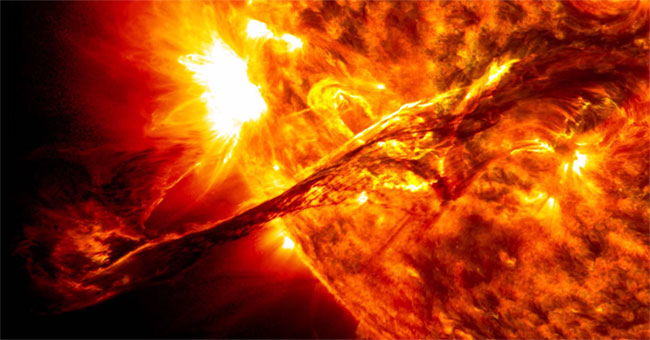
A solar eruption, or solar storm, can emit extremely damaging and radiating waves that radiate to Earth 149.6 million kilometers away.
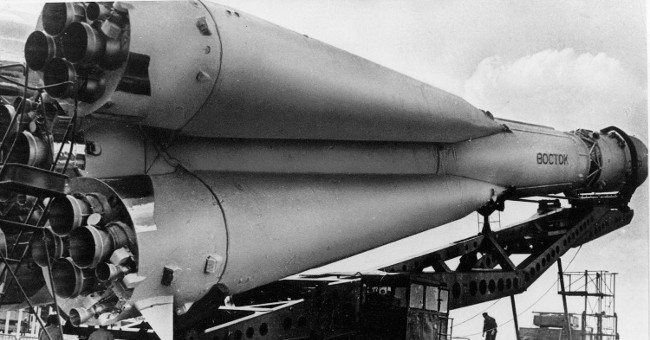
Let's review 6 scientific events that mark the process of studying and conquering human universe through the following article.
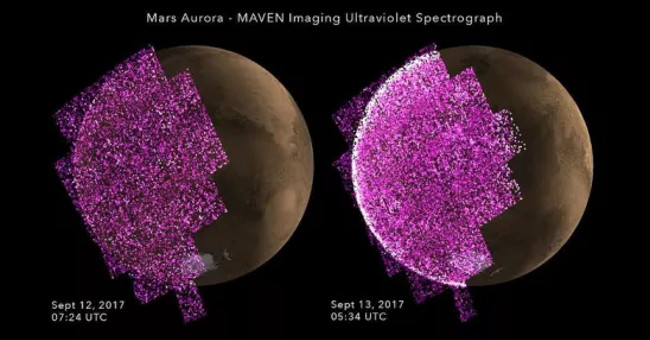
The event is caused by an intense solar wind sweeping through Mars, causing the planet's radiation level to peak.
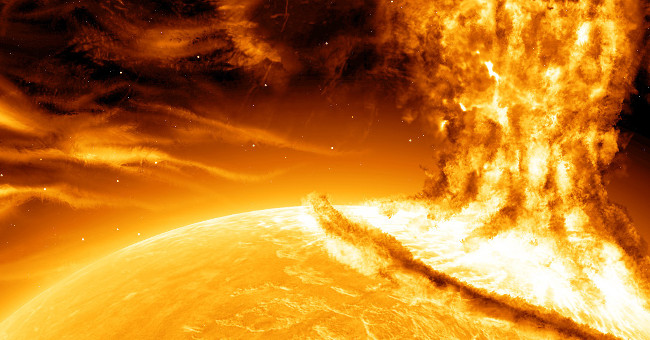
The Earth was fortunate to avoid the strongest solar storm in 150 years, capable
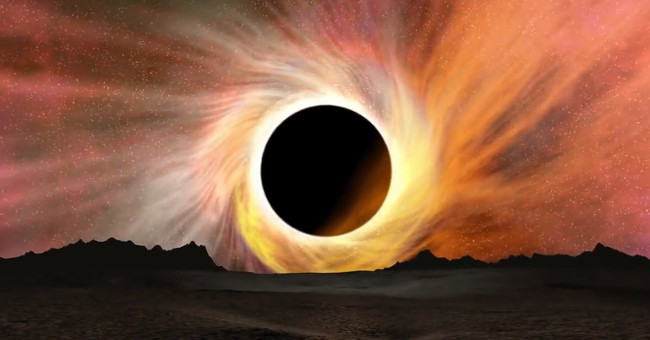
British scientists in the new study, published in the journal Nature, report that stars are attracted to black holes (TDE), which occur at a frequency many times greater…
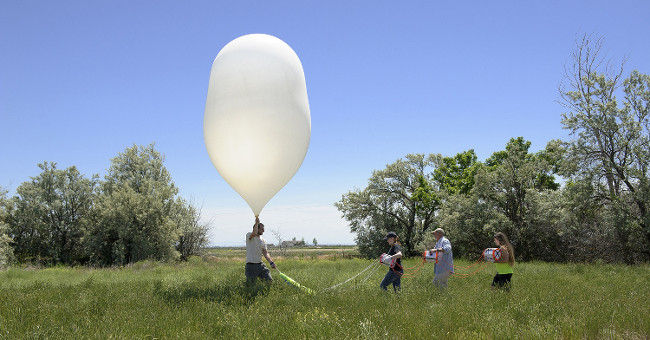
The phenomenon of eclipses that are about to take place on Monday, August 21 seems to bring the United States closer together: people and houses gather together to head…
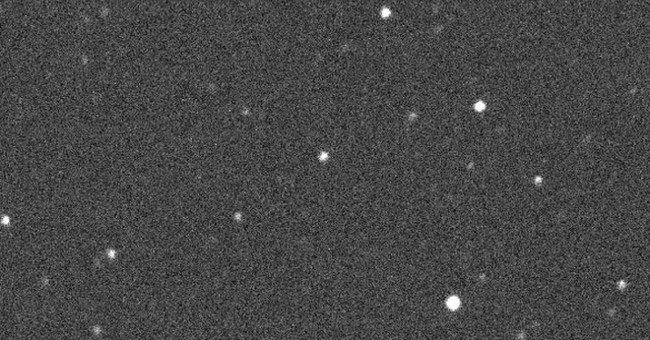
The event was in the early morning of July 17 even in a split second, but it would provide more information about this rock than the data was previously collected.
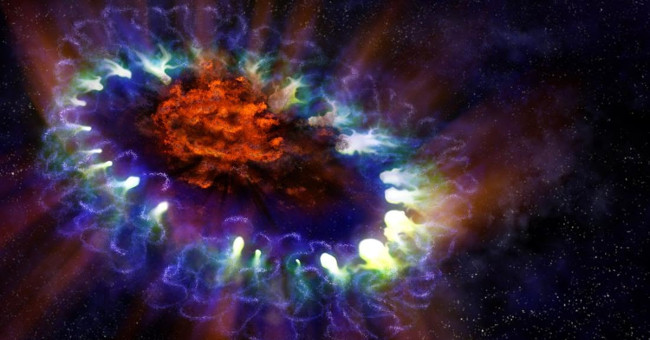
More than three decades ago, astronomers witnessed a rare and extremely intense cosmic event: a dying star that exploded 168,000 light-years away.