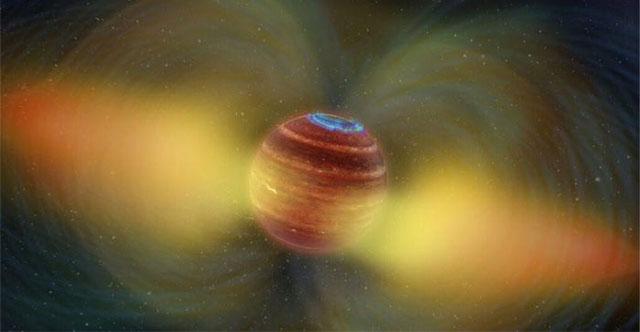
Space scienceWhen we think about the habitability of exoplanets, the role of magnetic fields in maintaining a stable environment is something to consider alongside things like atmosp…
December 9, 2024
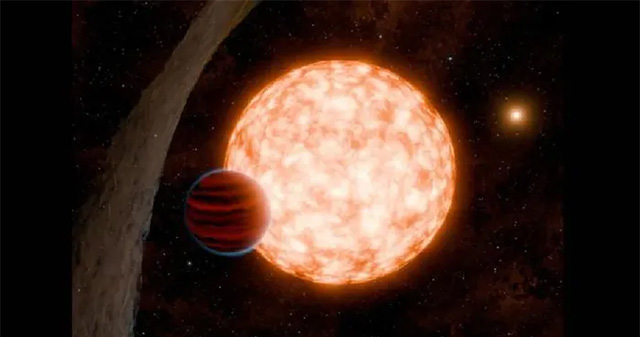
Space scienceIRAS 04125+2902b is described as
November 26, 2024

1001 mysteryToday we have discovered exoplanets thousands of light years away from earth.
May 28, 2024

Space scienceWhat many scientists hope to capture in habitable exoplanets has now appeared in a type of celestial body that is difficult to define.
April 22, 2024

Space scienceAmerican astrobiologists have identified the most common form of life we can find on exoplanets.
April 20, 2024
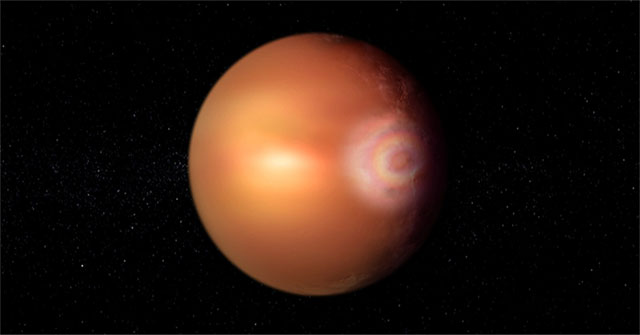
Space scienceA special phenomenon seemingly unique to Earth was suddenly discovered on a distant planet in the constellation Pisces.
April 9, 2024
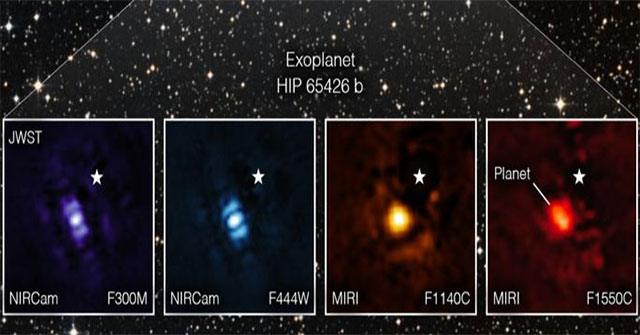
AlienA team of scientists has identified in the database that the James Webb super telescope sent back to Earth the first direct image of an extrasolar planet.
September 7, 2022
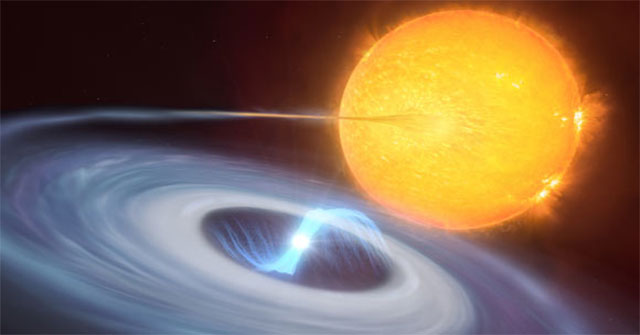
Space scienceWhen reviewing data from exoplanet hunter TESS, the scientists encountered what was not a planet, but a dazzling beam of light from the unidentifiable object.
May 1, 2022
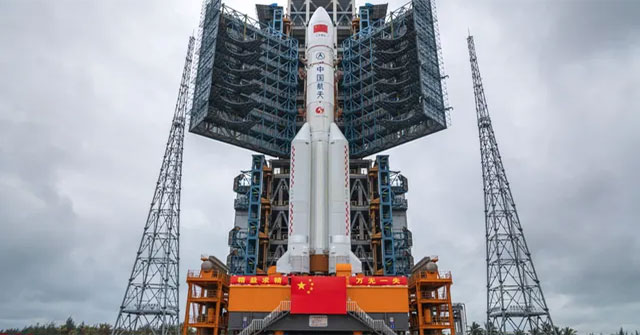
Science EventsThis month, Chinese researchers will publish details of a second Earth-finding project.
April 29, 2022
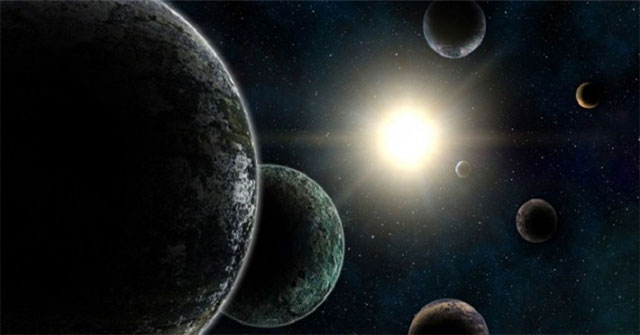
Space scienceWith 10 to 15 times stronger than NASA's Kepler telescope, the new Chinese satellite will find exoplanets in the habitable zone of a Sun-like star.
April 15, 2022
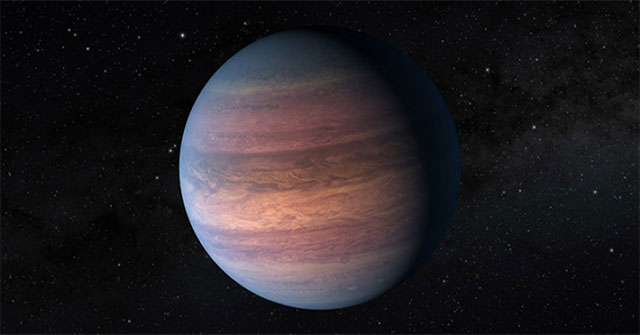
Space scienceAnalysis of a trove of old image data from the Kepler space telescope reveals a gas giant exoplanet very similar to Jupiter.
April 7, 2022
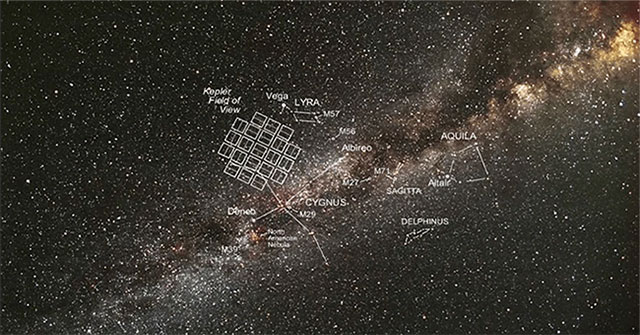
Space scienceThis discovery brings the total number of habitable, near-Earth-sized exoplanets to about 50.
March 27, 2022
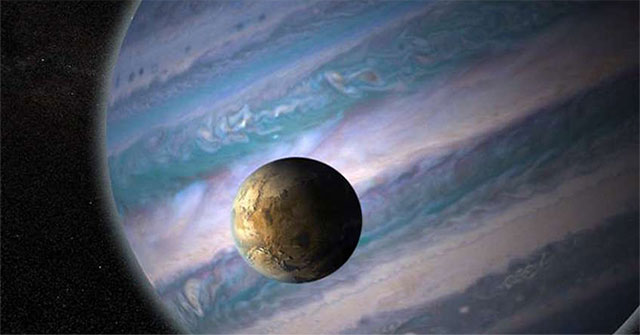
Space scienceAccording to SciTech Daily, that's a Moon just as big as Earth's Moon.
March 24, 2022
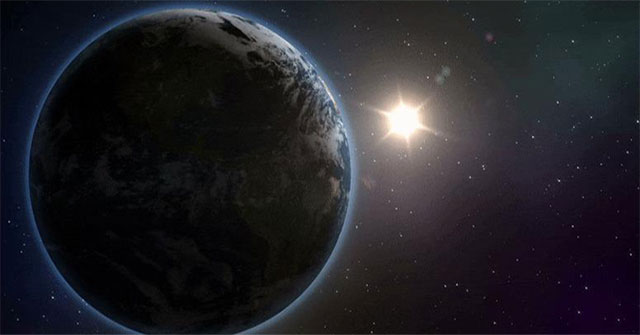
Space scienceNASA scientists admit they have only found planets with some characteristics similar to Earth.
January 4, 2022
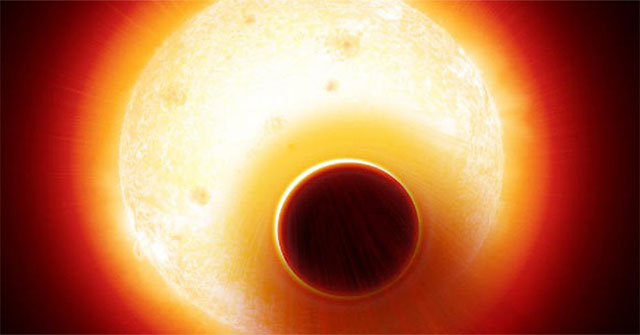
Space scienceUS scientists have discovered the first direct indication of the magnetosphere of an exoplanet, or planet outside the Solar System.
December 28, 2021