Space science
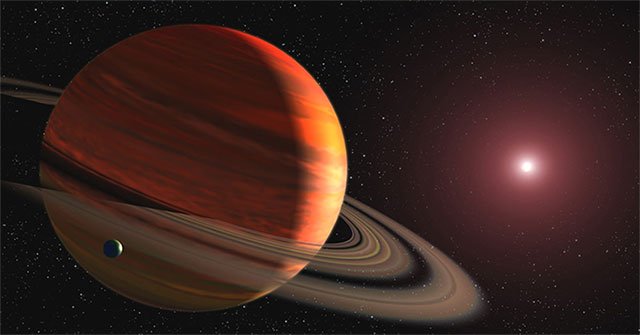
The universe is giving birth to a planet 3180 times more than Earth
The European Space Agency's Gaia satellite (ESA) has captured the closest exoplanet ever formed.
Browse ScienceInfo articles and explainers related to Exoplanet.
124 published items.
The European Space Agency's Gaia satellite (ESA) has captured the closest exoplanet ever formed.
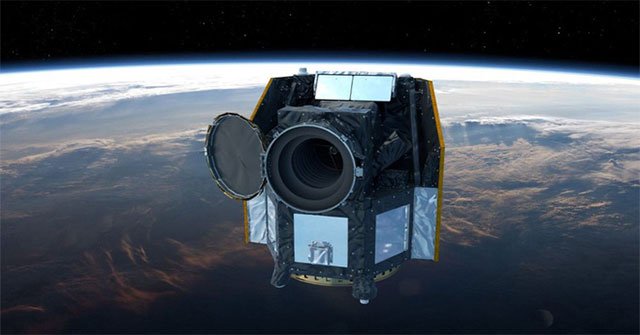
CHEOPS is the result of cooperation between the European Space Agency and the University of Bern.
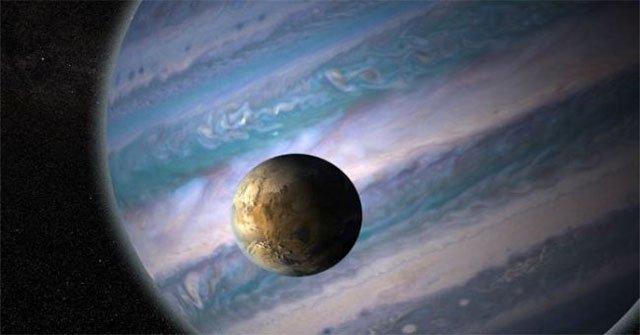
In 2019, astronomers have caught many strange and unimaginable exoplanets, far different from every object in the Solar System.
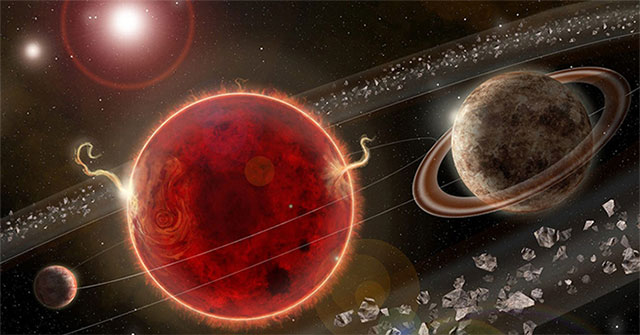
Astronomers found the exoplanet Proxima c orbiting the red dwarf Proxima Centauri, only 4.2 light-years from Earth.
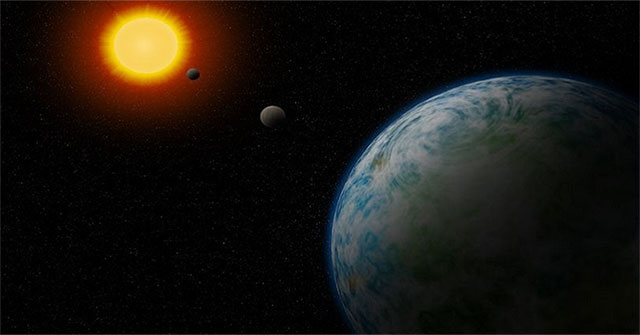
The researchers found that two exoplanets that are nearly eight times the size of the Earth could have liquid water, orbiting stars close to the sun.
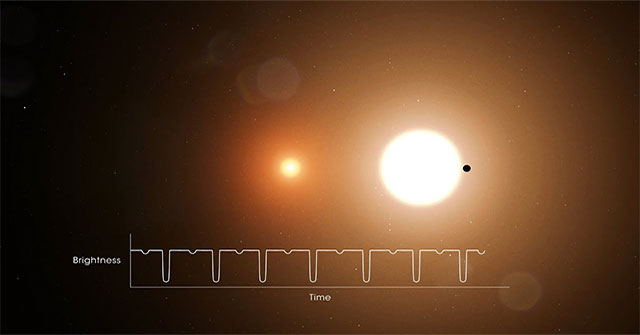
After three days of practice at the Goddard Space Flight Center, Scarsdale High School students found a new exoplanet in the TOI 1338 star system.
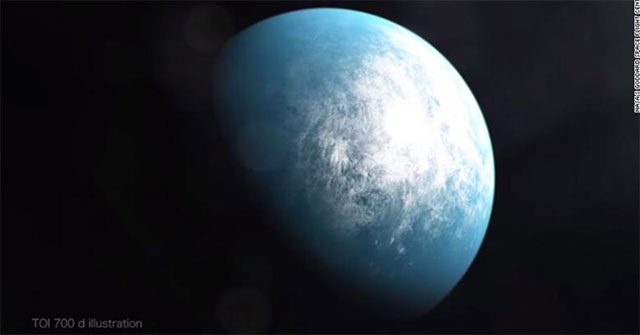
TESS, NASA's 'planetary hunt' program, has found a first habitable exoplanet about the size of Earth, orbiting a star about 100 light-years from us.
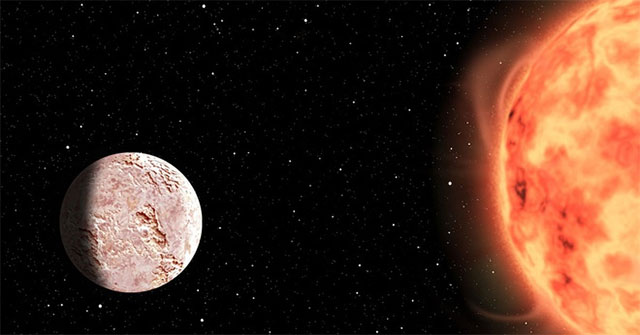
According to Science Alert, this is the right planet to study life in the Milky Way, and help us better understand the planets scattered in this universe.
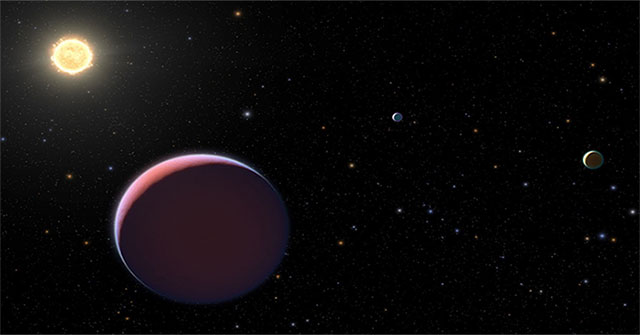
Astronomers found nearly 15 exoplanets in the Kepler 51 star system with a density of less than 0.1 grams of matter per cubic centimeter.
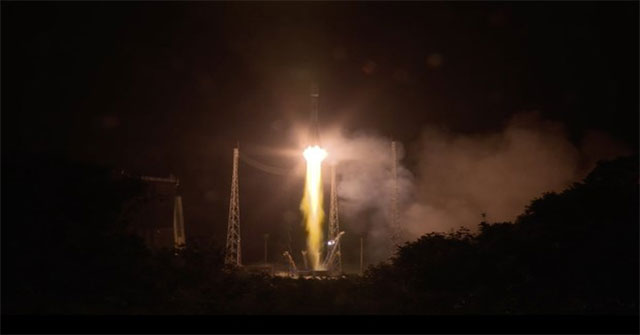
CHEOPS satellite is like a telescope, designed to measure the thickness, structure and size of many planets outside the solar system.
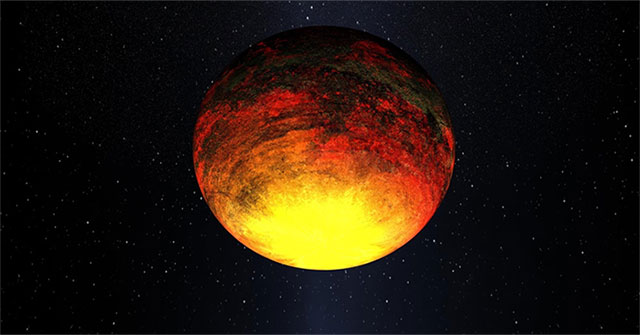
Song Dan Dan, the genome editing and the latest scientific research activities (part 1) Science - Technology
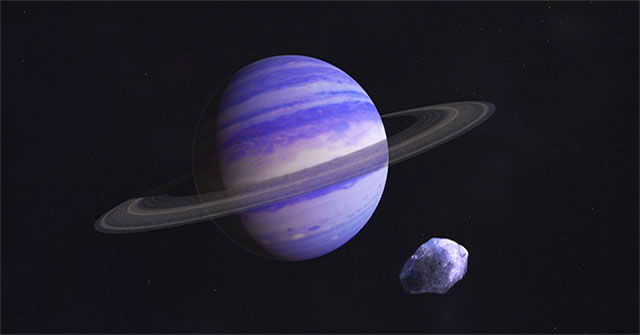
Astronomers have just confirmed the existence of two planets orbiting in very different orbits in the red dwarf system (called the GJ 15 system).
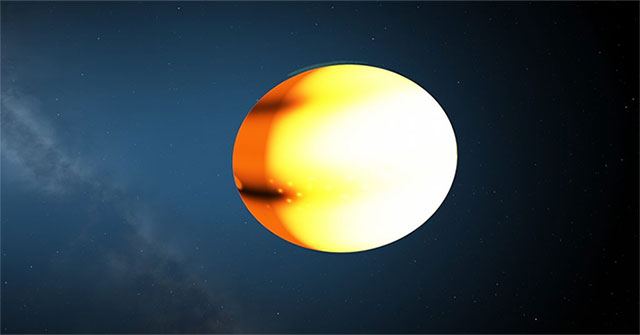
Astronomers found a Jupiter-like exoplanet located very close to the orange dwarf star 1,060 light-years from Earth.
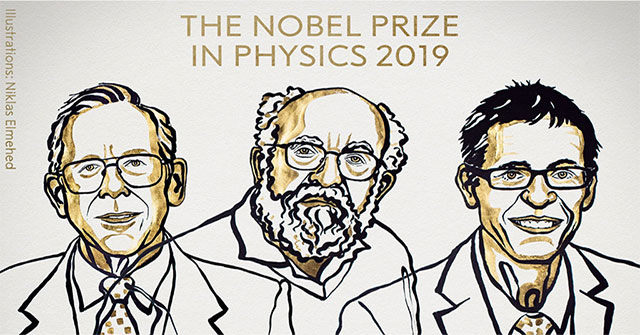
The Swedish Academy of Sciences on October 8 announced the 2019 Physics Prize for scientists James Peebles, Michel Mayor and Didier Queloz.

A group of astronomers is looking for strange signals from distant exoplanets, or so