Oceanography
NASA will study the Hawaii sea volcano to find ways to hunt aliens
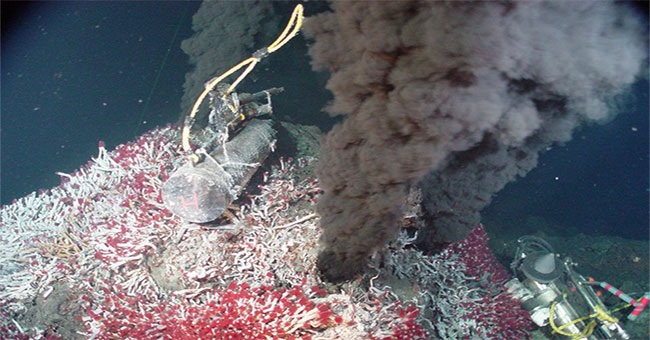
NASA will soon visit Hawaii's Lo 'ihi volcano, which is located at 0.9 km on the Pacific bottom, to find a way to ... hunt for life outside the solar system.
Browse ScienceInfo articles and explainers related to Expedition.
242 published items.
NASA will soon visit Hawaii's Lo 'ihi volcano, which is located at 0.9 km on the Pacific bottom, to find a way to ... hunt for life outside the solar system.
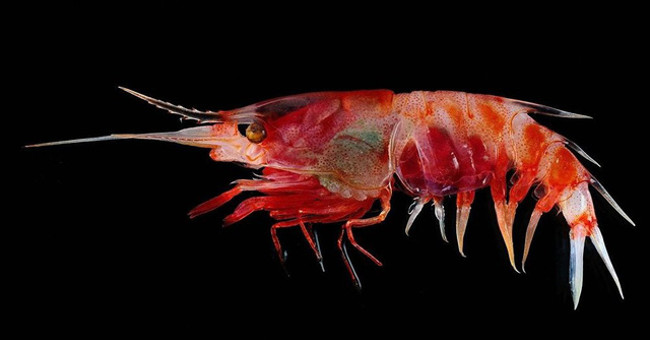
Members of the Indonesian expedition discovered dozens of new animals, Science magazine reported.
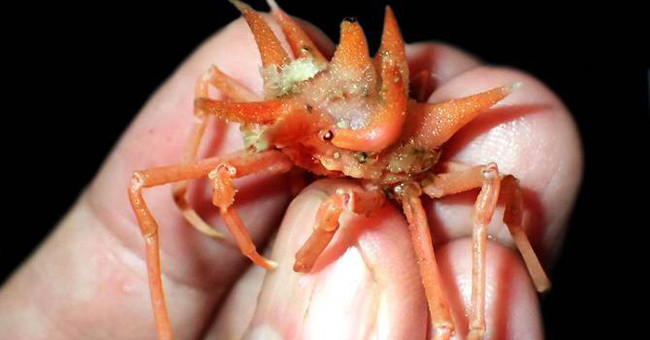
The team used different types of nets as well as special devices to capture tiny organisms.

The process of inquiry requires researchers to collect as much tangible data as possible. 100 different species collected from the expedition are being studied at CSIRO.
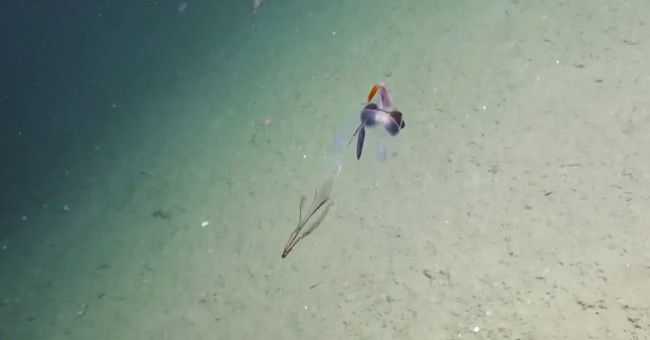
The research team on the Nautilus expedition vessel captures a rare sight of a transparent squid near Juan de Fuca alley in Salish sea, off the coast of British Columbia…
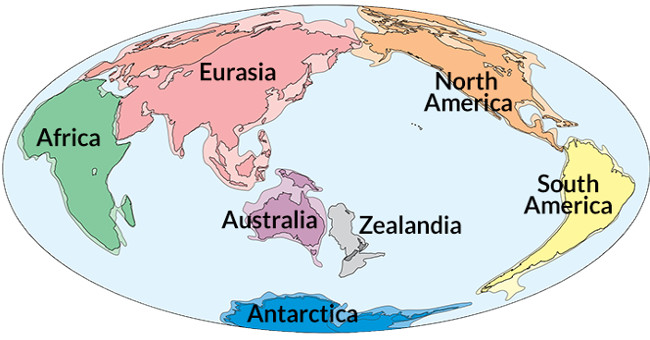
The new scientific expedition will focus on drilling deep into the crust or top layer of continental Zealandia about half the size of Australia, Live Science reported ye…
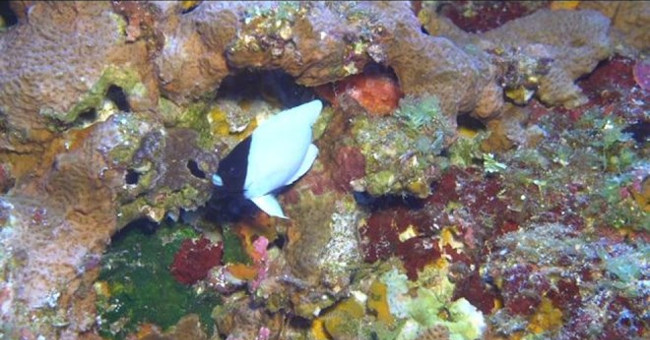
US scientists have discovered a species of fish that has never been known in the waters of the Hawaiian Islands.
On June 3, the US Ocean and Atmospheric Administration (NOAA) said it has discovered and recorded thousands of individuals belonging to unknown species living in the Car…
British scientists have discovered many new images of creatures from remote areas of the ocean, including some of the first known humans.
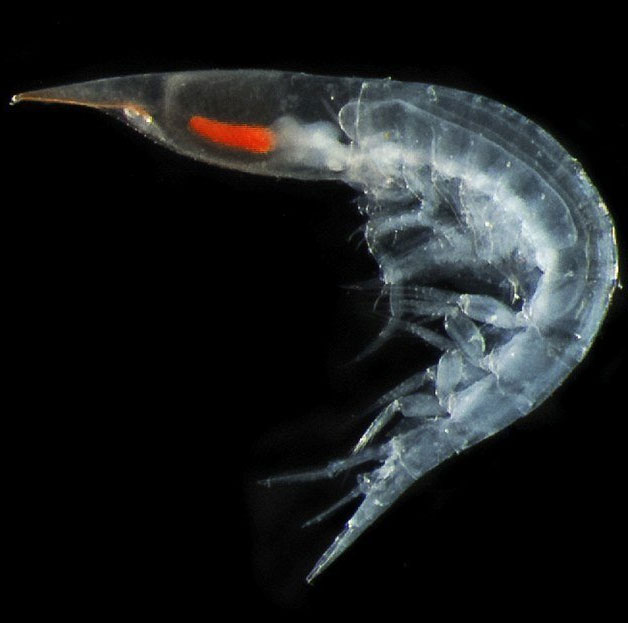
A research ship has discovered more than 1 million new species of creatures after the discovery on the Atlantic, Pacific and Indian Ocean.

According to ABC News on January 12, in a sea where black and white penguins live on the Antarctic Aitcho Island, the explorers of the National Geographic Society last w…
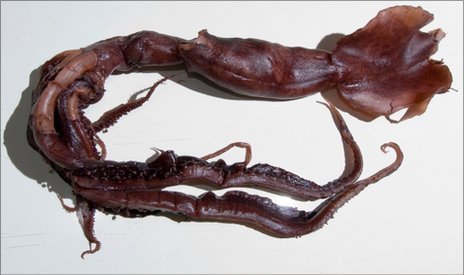
A new species of squid is found by researchers in the South Indian Ocean.
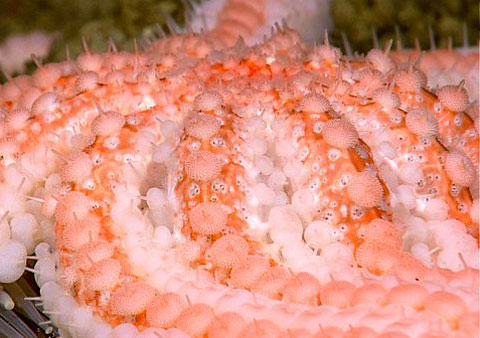
Hai clung to the sea crab to hitchhike is one of the most impressive images scientists have taken during a recent exploration of Indonesian waters.

Scientists from the international deep-sea survey project InterRidge said in March 2010 they will officially launch the world's deepest seabed exploration device.
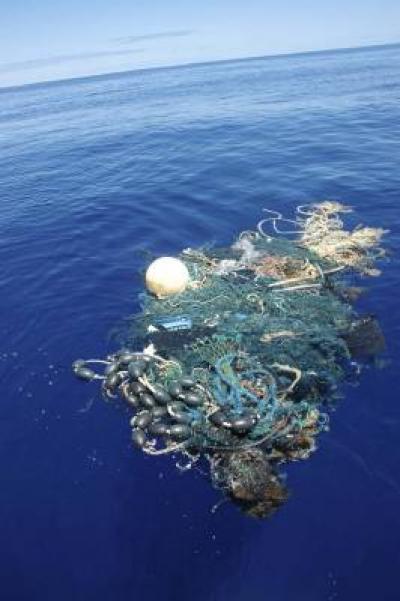
Scientists have just completed a special expedition into the region.