New technology
Perfect invisibility
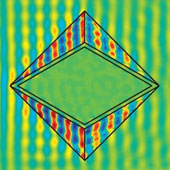
The scientists succeeded when they first crushed the object perfectly, dislodging the cylinder tube 1 centimeter from the microwave.
Browse ScienceInfo articles and explainers related to Experiment.
937 published items.
The scientists succeeded when they first crushed the object perfectly, dislodging the cylinder tube 1 centimeter from the microwave.
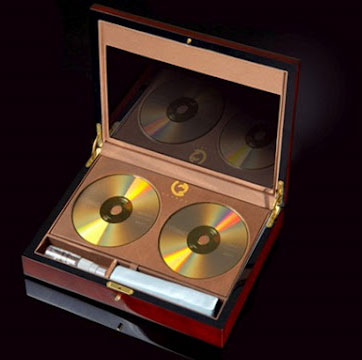
Scientific experiments have proven that it is capable of storing data for more than 100 years. In addition, this DVD can be compatible with media players and DVD or Blu-…
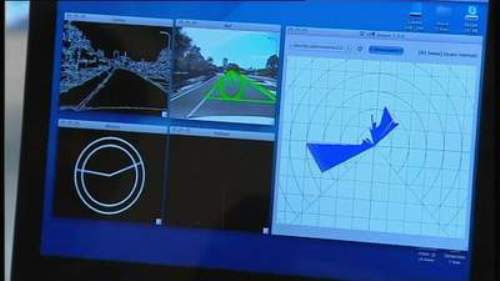
Just put the iPhone in the car, with the camera back facing the road, this application will automatically combine satellite images with street images that the iPhone tur…
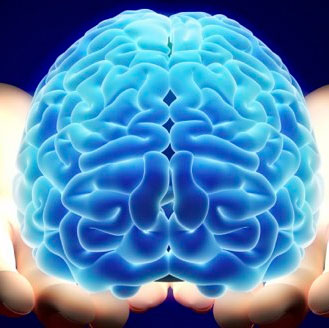
Researchers at the Swiss Federal Institute of Technology in Lausanne said the experiment took them one step closer to allowing patients unable to move easily with their…

Last year, physicists surprised the world by announcing neutrinos could move at a faster rate than light.
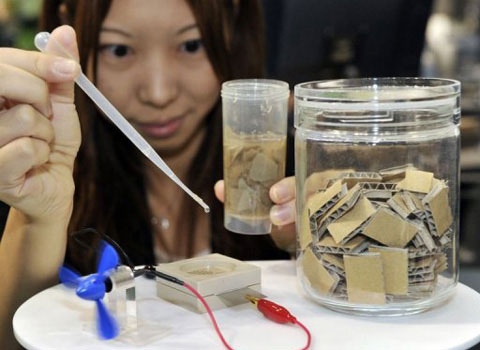
At the fair for environmental products in Tokyo, Sony invited some children to perform experiments. Put the paper into a mixture of water and some enzymes, shake and wai…
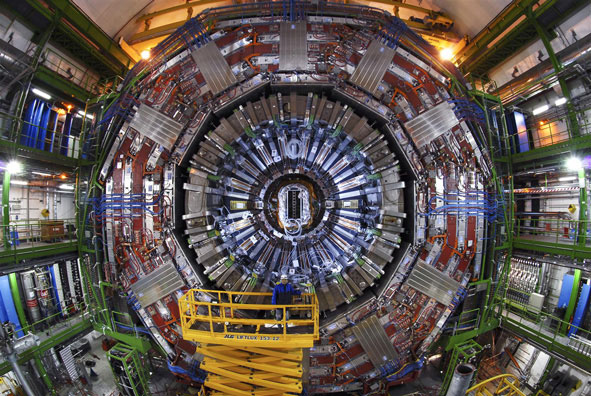
At 8:00 pm on December 13, two research groups ATLAS2 and CMS3 presented an experiment to search for the Higgs particle before the European physic world.

The world's largest accelerator is expected to be built in Japan at an estimated cost of $ 10 billion.

People build robots to do everything, and then it will be time for robots to be able to control ourselves.
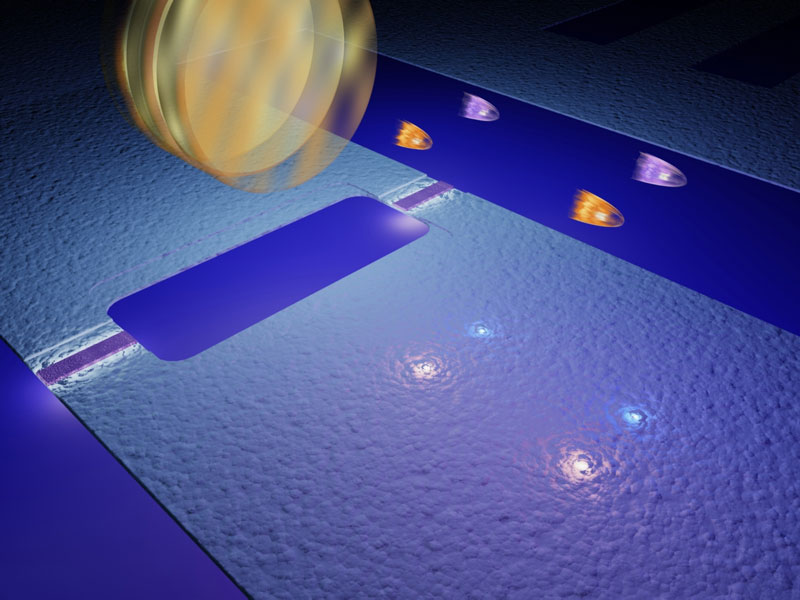
Swedish scientists have realized the idea from 40 years ago - creating light from a vacuum.

An invention by British scientists can significantly reduce the energy needed for heating and cooking in households. However, its principle of operation and effectivenes…
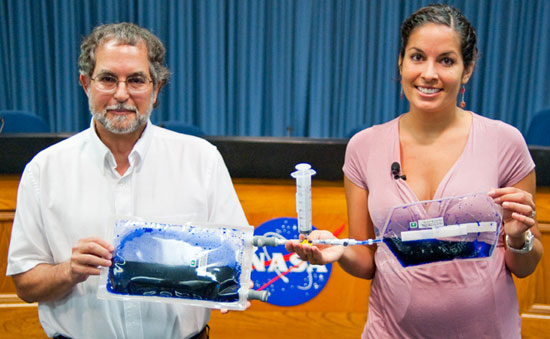
Before the end of the mission, astronauts on the space shuttle Atlantis made a special experiment: turning urine into edible water.
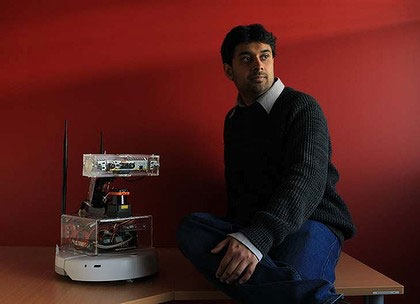
The MARCS Robot Lab, University of Sydney, is conducting a robot-based experiment to study the interaction between humans and robots.

The US Navy has begun experimenting with bulletproof protective eyeglasses that automatically change color according to lighting conditions.
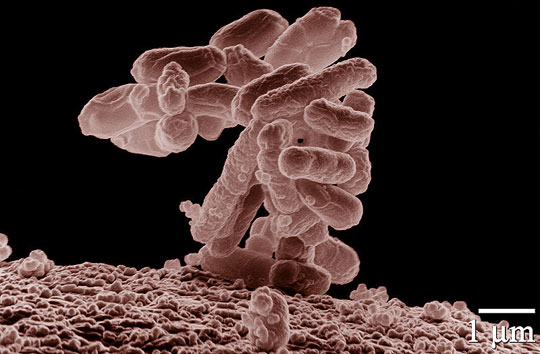
Researchers at the University of Hong Kong managed to put 90GB of data into the DNA of a cluster of 18 E. coli bacteria.