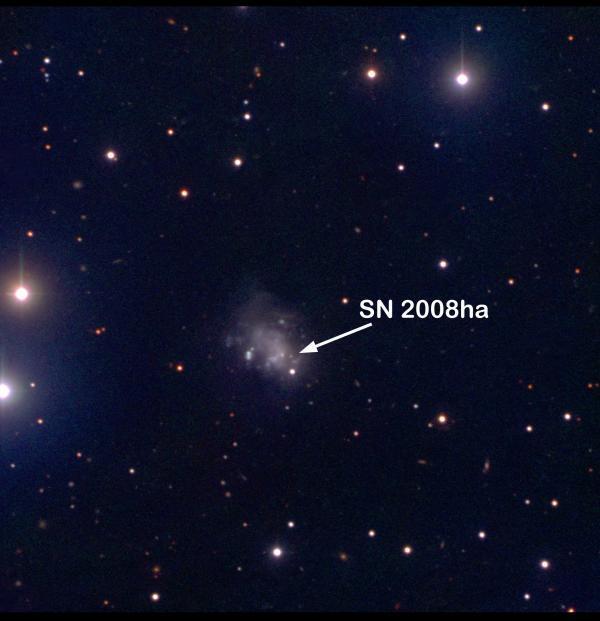
Space science
Blurred meteor detection
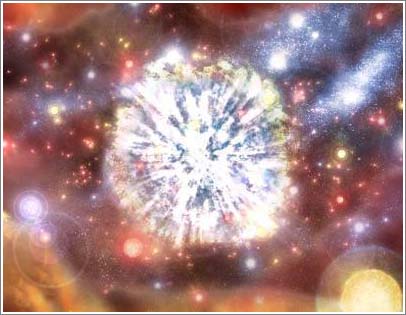
Core-collapse supernovae (also called gravitational supernovae) is one of the most violent phenomena in the universe.
Browse ScienceInfo articles and explainers related to Explosion.
711 published items.
Core-collapse supernovae (also called gravitational supernovae) is one of the most violent phenomena in the universe.
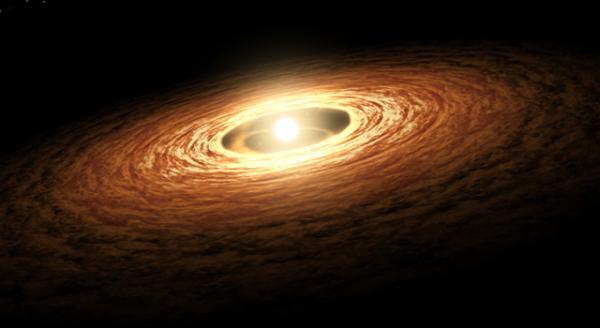
Scientists have long wondered how small silicate crystals, which need very high temperatures to form, are present in cold comets that are born on the outer edge of the s…

International astronomers have just taken the most distant object image ever seen in the universe - 13 billion light-years from Earth.
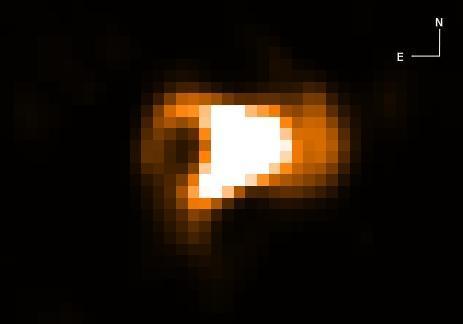
The Hubble Space Telescope (NASA / ESA) recently captured the first optical images of a shocking stellar explosion, and discovered a rapid peanut-shaped balloon bulging…

A star that is millions of times brighter than the sun explodes even under the age of immaturity enters the self-destruct phase.

The Fermi telescope of the US Aerospace Agency (NASA) has discovered a massive explosion in the universe that could, according to scientists, be the largest gamma ray ex…
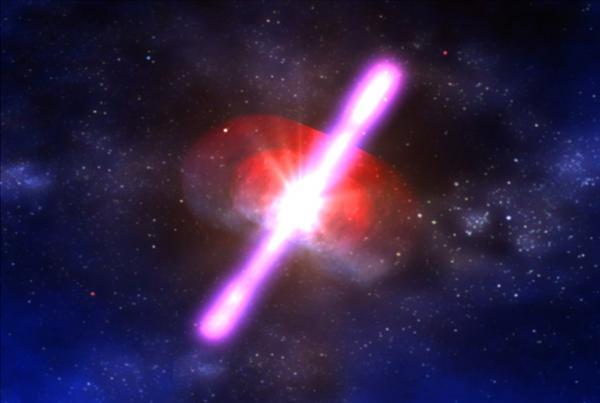
UK astronomers using the Swift NASA telescope have recently recorded information about the early stages of a gamma-ray burst.
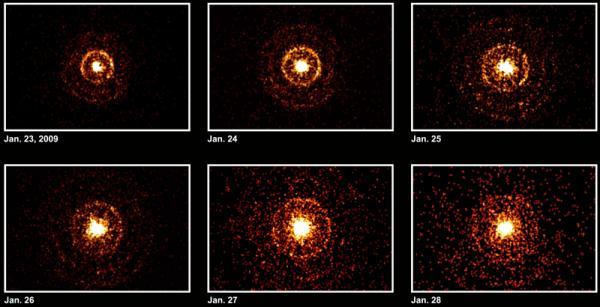
Astronomers use NASA's Swift satellite and Fermi Gamma Ray Space Telescope to observe explosions from the rest of a star 30,000 light-years away.
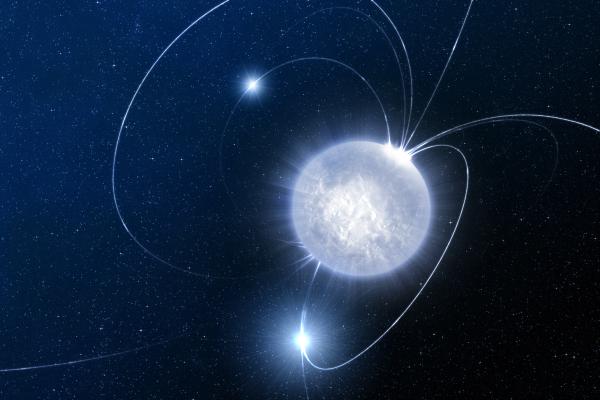
Astronomers have discovered the most bizarre cosmic object flashes 40 times before disappearing. It is possible that this is a missing link in the neutron star family, t…

Last week an astronomical object exploded in the sky of Africa and did not harm the Earth, exactly as astronomers predicted for the first time.
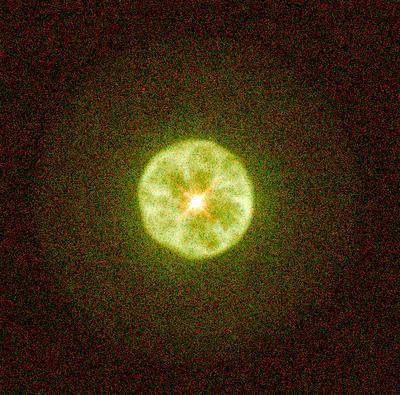
Stars are not large enough to carry out supernova explosions that end their lives by blowing most of their weight in a high wind.
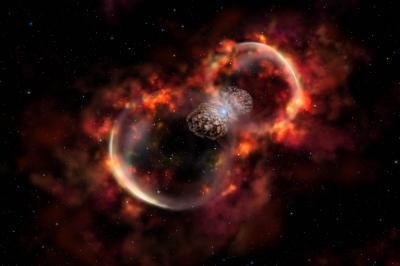
The terrible explosion of Eta Carinae seems to be completely dominated by a weaker form than a conventional supernova without destroying the star.

The two giant spheres rushed at each other, causing a massive explosion and leaving a giant cloud of dust.

A group of European astronomers provided information that recent supernovae are not as normal as we thought. Instead, the star is said to have exploded and fell into a b…
A newly formed supernova (a star who died before death), just over a century old, has just been found in our Milky Way.