
Biology
New discovery prevented Tasmanian Devil from extinction
Scientists have found Schwann cells to be the cause of tumors on the face of the Tasmanian Devil (Tasmanian devil 'demon').
Browse ScienceInfo articles and explainers related to Extinction.
619 published items.
Scientists have found Schwann cells to be the cause of tumors on the face of the Tasmanian Devil (Tasmanian devil 'demon').
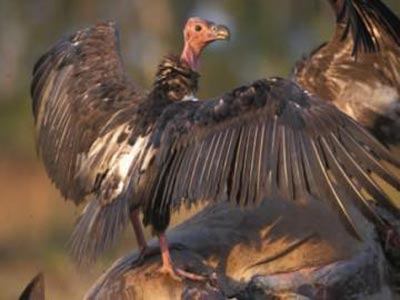
A leading US biologist claims that two-thirds of the world's animals and plants are facing extinction in this century ...
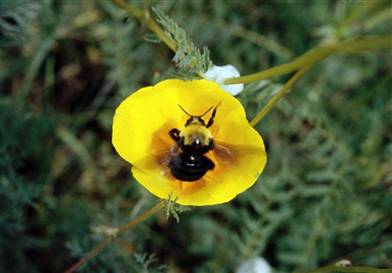
Experts are looking for Franklin bumblebee species on the list of seriously threatened animals.

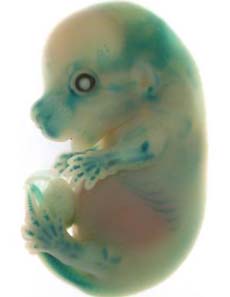
70 years after the tiger tiger had a Tasmanian extinction, its DNA was made by Australian scientists
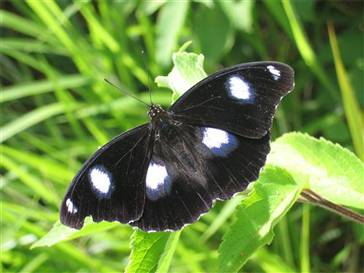
This story about butterflies in Samoa is an example of the fastest natural selection observed so far, and shows that evolution can accelerate when a major threat arises.

Each year, there are 18,000 - 55,000 more extinct animal and plant species. The cause is due to human activities. Alarm from the Secretariat of the Convention on Biologi…

Plants in the world are facing the risk of extinction in large numbers if the climate change problem is not solved effectively and conservation is not focused, warning o…
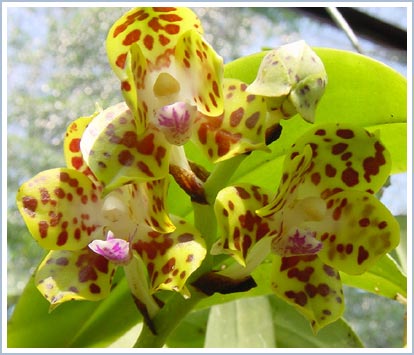
VNA quoted the experts of Da Lat Biology Institute, saying that there are about 400 species of Cymbidium in Vietnam, there are more than 70% of species in the mountainou…
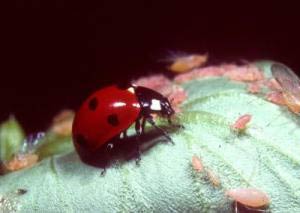
The speed of extinction of species is increasing rapidly, creating many difficulties and troubles for people. It is an affirmation of a comprehensive study conducted by…
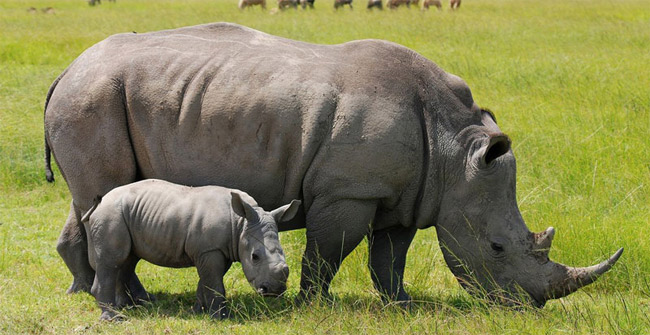
After five mass extinctions of the Earth, evolution has helped many animal populations to regenerate and diversify, filling the gaps created when species become extinct.
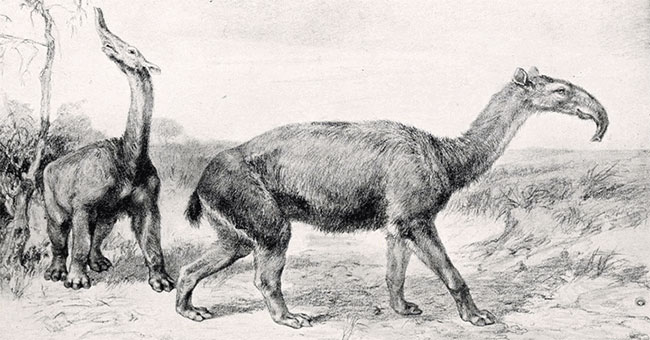
A study shows that the rate of extinction of animals is happening faster than the rate of evolution of nature.
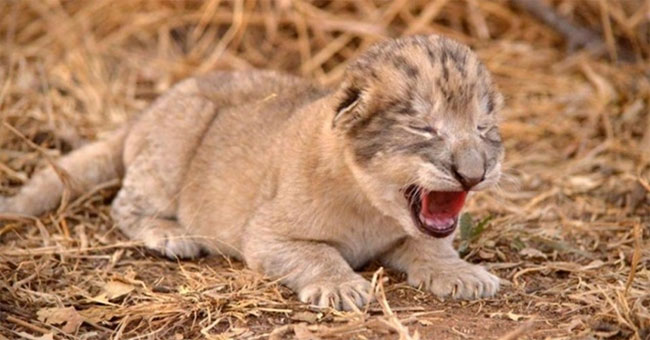
Two baby lions born in vitro fertilization marked the first success of scientists in saving the big cat from extinction ...
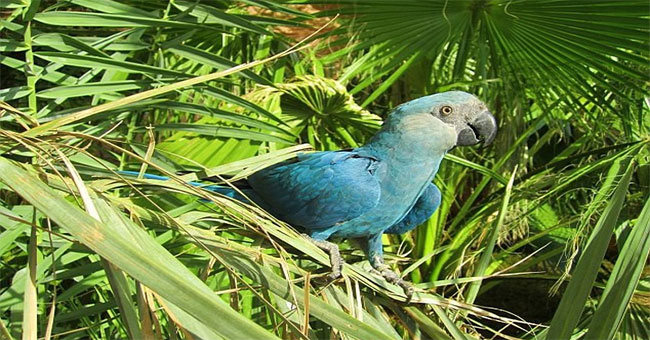
Along with that are 7 other bird species, some of which even have no chance of recovery.

Lemurs are the common name for many endemic gibbons of Madagascar.