Biology
He successfully preserved short-haired bees
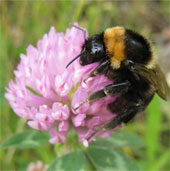
A bumblebee (bumblebee) has reappeared after extinction in the UK, has nested and spawned the first calves.
Browse ScienceInfo articles and explainers related to Extinction.
619 published items.
A bumblebee (bumblebee) has reappeared after extinction in the UK, has nested and spawned the first calves.

It was the extinction of the giant animals in the Pleistocene that caused the scarcity of fertile arable lands in the world today.
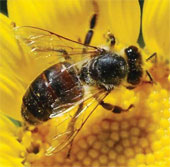
According to the Chairman of the International Conference of Apimondia World Association of Apiculture Association, Gilles Ratia, the death rate of bees is now very larg…
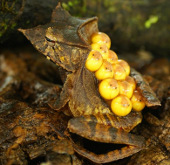
What happens if two other frogs mate with each other because they are confused, and then discover that they are not identical and cannot reproduce.

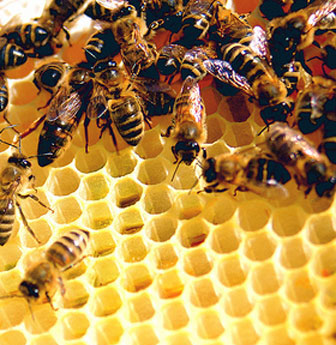
The latest study by entomologists shows that the secret of big beehives is that their queen is not faithful, 'life in life' with a single mate. The more the queen bee ha…
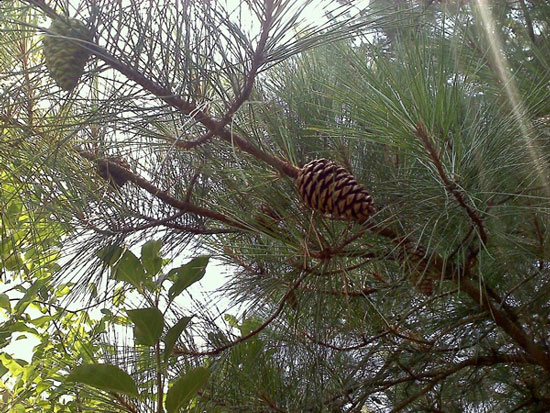
According to the most reliable report on the status of plants with leaves on Earth, 1 in 5 plants are in danger of extinction.
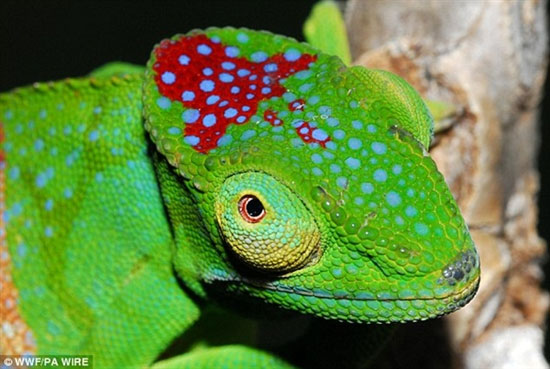
According to the latest report of the World Wildlife Fund (WWF) on Monday (June 6), more than 600 new species of organisms were found in the past decade on the island of…
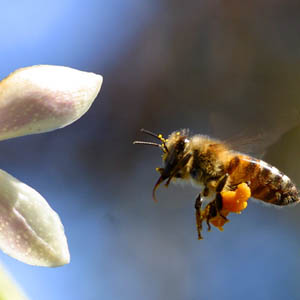
The number of bees around the world is declining at an alarming rate, at the same time calling on the international community to save bees because they are very importan…
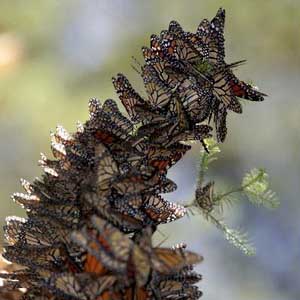
The number of monarch butterflies in Mexico has more than doubled this winter after a year they suffered devastating storms.

10 species of tropical coral have the most evolutionary and most endangered evolution in the world (EDGE), according to a new report by scientists from London Zoology As…

Like many countries in the world, Vietnam is facing serious degradation of biodiversity rich ecosystems.

Recent research results in the UK show that more than a fifth of the world's plant species are facing the risk of extinction.

Humans and some other animals will become extinct in the next 100 years as the population booms and consumerism grows unrestrained.

Researchers from the University of Manitoba (Canada) are conducting experiments from DNA samples to revive extinct mammoths.