Science invention
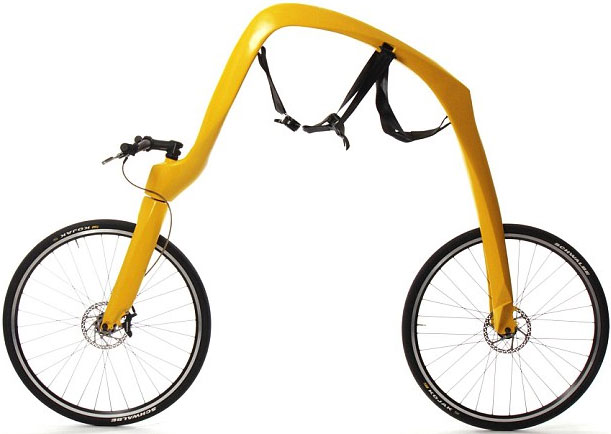
The invention of the bicycle is not peaceful, no pedal
German designers have introduced a unique bike with no pedal to ride, instead using the user's feet to run.
Browse ScienceInfo articles and explainers related to Feet.
309 published items.
German designers have introduced a unique bike with no pedal to ride, instead using the user's feet to run.
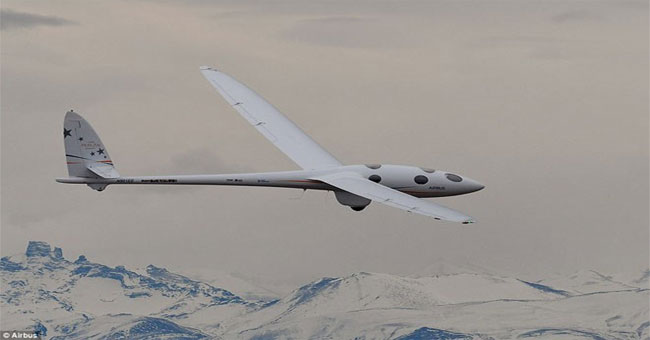
While the Airbus A380 has a record-breaking 15 km engine, Airbus's Perlan 2 sets a new world record as it flew as high as 52,000 feet (1 ft = 30.48 cm) without an en…

Ultra-light-fitting pants help capture energy from moving your feet and generate enough electricity to charge four smartphones after an hour of walking.
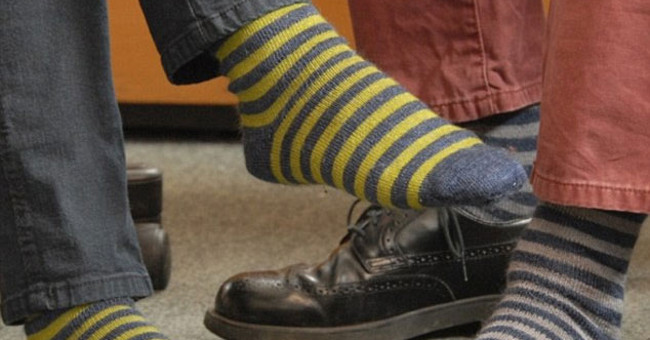
Hot sunshine is a nightmare for people who often wear shoes or have bad breath (bromodosis).

The robots were able to easily walk on water, but now they can walk on the wall. It will be an effective tool to rescue people in ruins, natural disasters.
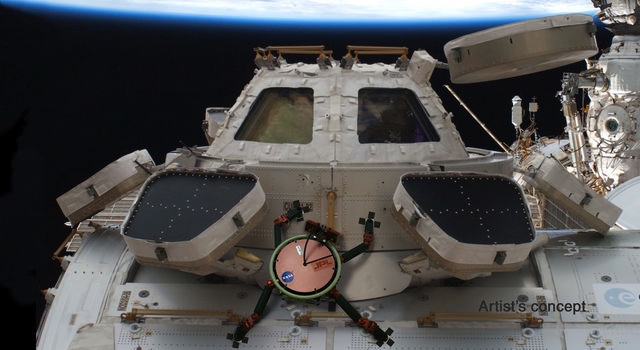
Scientists at NASA's Jet Propulsion Laboratory (JPL) are perfecting the technology of gecko-inspired footprints to help astronauts work more easily in the environment. g…
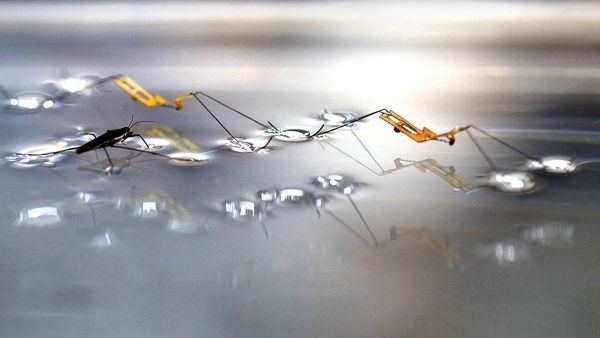
Researchers from two faculties, Kim Ho-young and Cho Kyu-jin of Seoul National University's Aerospace and Engineering Faculty, have successfully developed the tiny r…
A graduate of London Fashion College Sylvia Moreno developed a model of high heels that is not only novel, but painful for the wearer.
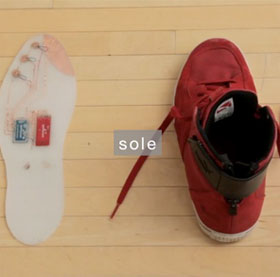
SuperShoes shoes developed by American designer Dhairya Dand will satisfy you with the ability to accurately point your employer through the 'toe' of the toe.
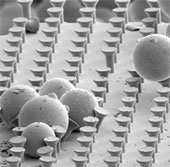
Gecko feet have the same ability to stick as a piece of tape. However, there is one difference: the gecko leg always maintains the ability to stick no matter how many ti…

This is a really serious science project, called Shreddies, a set of underwear that uses special chemical technology that can completely remove unpleasant odors when you…


Traditional socks often do not provide comfort to the legs because they do not drain and sweat, but a new type of socks can overcome these disadvantages.
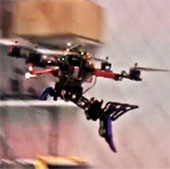
Now, self-propelled devices are programmed to spy on objects, play music and even get on the wire like birds, waiting for convenient times to catch 'bait'.