Medicine - Health
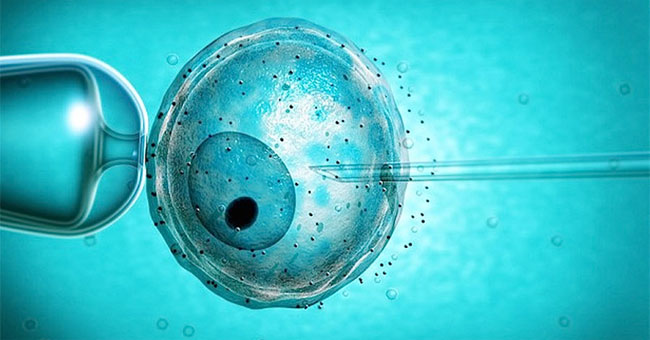
Boys born from test tubes have a high risk of infertility
A new study has shown that boys born by in vitro fertilization have low sperm count and may not be able to have children later in the natural method.
Browse ScienceInfo articles and explainers related to Fertilization.
119 published items.
A new study has shown that boys born by in vitro fertilization have low sperm count and may not be able to have children later in the natural method.

A 5-month-old boy in the US became the first baby in the world to be born with a new technique of combining DNA from three people.

For the first time in history, scientists have been able to monitor and develop human embryos for at least the first 13 days.
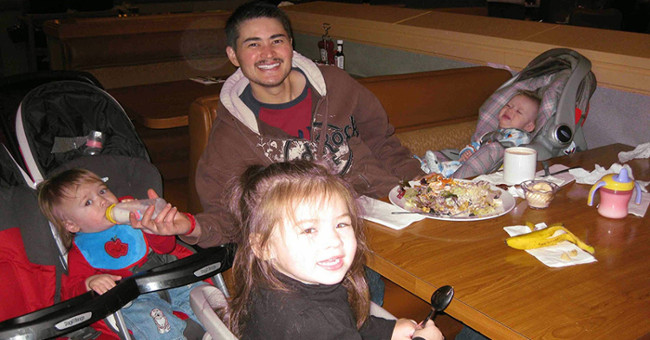
In 2008, Thomas Beatie shocked the world when he became the first man to become pregnant and give birth.

Researchers have developed a new device that can select the best sperm in millions of sperms in just 30 minutes for use in assisted reproductive technologies such as in…

The new invention creates babies who inherit genes from a father and two mothers, reducing the rate of children with mitochondrial disease, a mother-to-child genetic dis…

Researchers at Sheba Hospital, a suburb of Ramat Gan city of Israel, are developing a new contraceptive that does not cause harmful side effects for women.

After 2 years of infertility treatment in vitro fertilization (IVF), 70-year-old Dajinder Kaur gave birth to her first son last month.

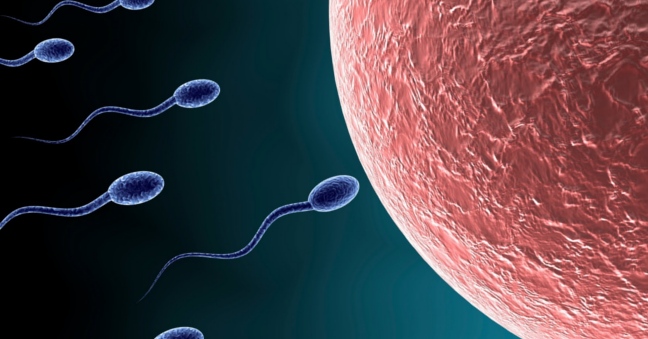
At exactly the moment a sperm touches an egg, billions of zinc atoms have fired from the surface of the egg. Using fluorescence microscopy, scientists found zinc rays em…

Birth control pills
ABHD2 enzyme -

This study has been widely regarded as a major step forward in in vitro fertilization methods, especially in the context that about 15% of couples in the world are in a…
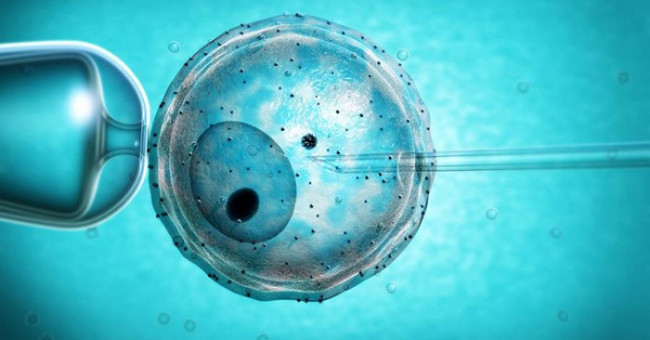
Scientists have discovered a new threat that can greatly affect in vitro fertilization technology.
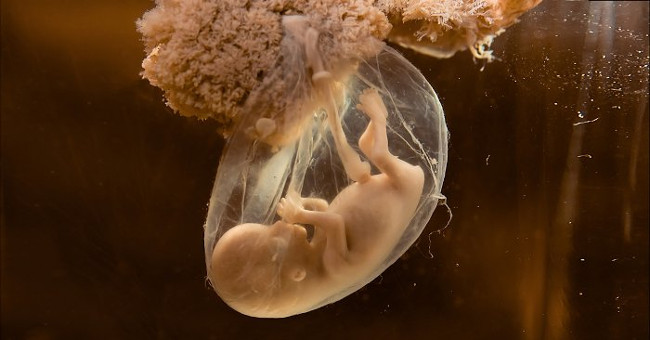
There are no significant differences between babies born in vitro fertilization and babies born naturally.
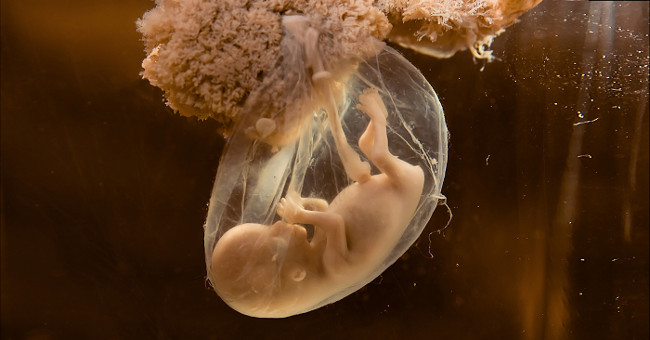
Have you ever wondered why our arms, legs or hearts are in that position, not elsewhere?