
Discover science
3 basic methods of determining criminal traces
From the crime scene, the examiners will search for fingerprints, blood stains ... to quickly find the killer.
Browse ScienceInfo articles and explainers related to Fingerprint.
159 published items.
From the crime scene, the examiners will search for fingerprints, blood stains ... to quickly find the killer.
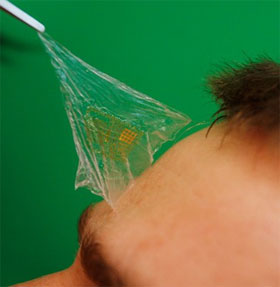
An autopsy identifies the cause of death due to epidemics, natural disasters or being plotted to become a hot topic in today's society.

According to proponents, a unique digital signature can help distinguish original artwork masterpieces from fake paintings and thereby support the discovery of the stole…

Experts believe they have found the previously unknown portrait of artist Leonardo da Vinci by fingerprints left on the painting and this may be one of the biggest disco…
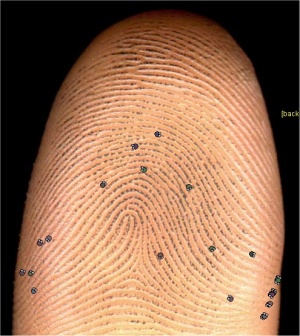
Fingerprints do not hold the primates as they once thought, scientists have recently discovered. In fact, they reduce the friction needed to grasp smooth surfaces.
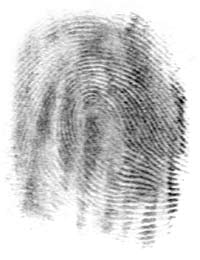
Unlike most of the body wrinkles formed by the bending and elasticity of the skin, fingerprints are not the result of repetitive actions.

Each of us has a characteristic smell, like every finger has its own fingerprint, and it doesn't change even when we switch to another diet.

Your body has a characteristic smell, just like your fingerprints. That scent will still exist even if you change your diet.

Considering the fingerprints left in Leonardo da Vinci's remains, Italian scientists have concluded that this illustrator may have a part of Arab blood.

Many people believe that the mirror in Myrtles plantation is home to many ghosts. Some people find fingerprint-like marks inside a mirror or mirror image of a stranger a…

The story of this strange fingerprint is about a brave firefighter who sacrificed himself while on duty.
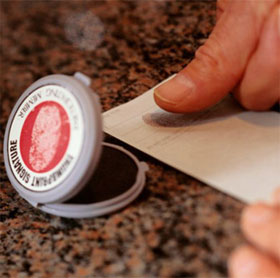
In recent years, the science industry has experienced great leaps and bounds. Our understanding of the human body has a better view than before.

Imagine how much trouble you would have with paperwork without fingerprints. However, that is not the last problem because such a condition is also a manifestation of a…
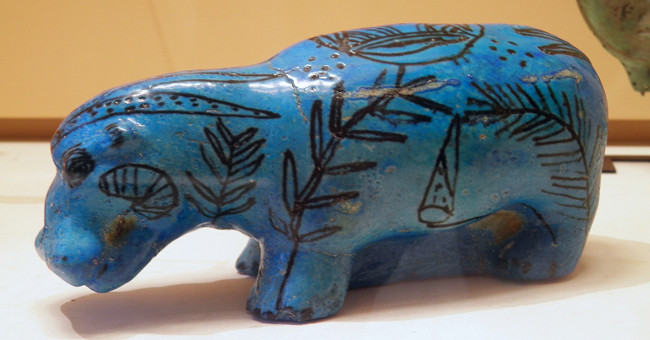
To make it, the ancient Egyptians used a mixture of copper, sand and strong alkali, heated at 800-900 degrees Celsius with strict conditions.
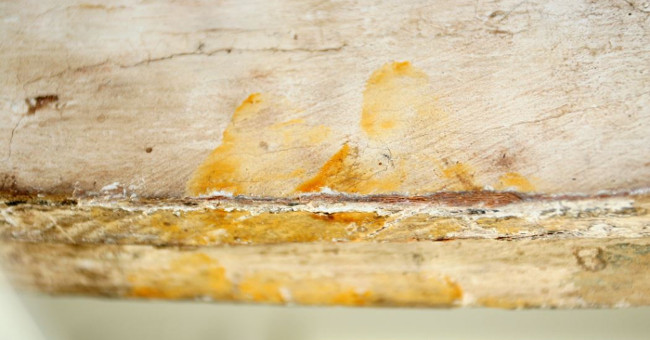
Researchers at the Cambridge Fitzwilliam Museum in England have found fingerprints dating to 3,000 years old inside the lid of an Egyptian coffin.