Archeology
Detecting strange 5,500-year-old fingerprints on ancient ceramic pots
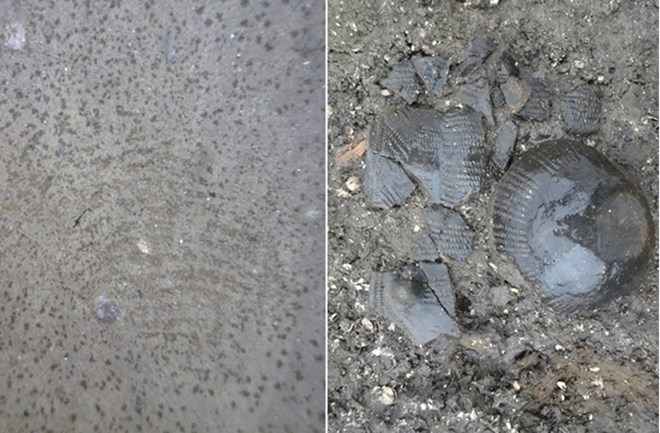
Danish archaeologists discovered fingerprints dating back to 5,500 years and much evidence of how people lived thousands of years ago.
Browse ScienceInfo articles and explainers related to Fingerprint.
159 published items.
Danish archaeologists discovered fingerprints dating back to 5,500 years and much evidence of how people lived thousands of years ago.

An analysis of the handprints on an Indonesian cave wall shows that men and women did not share each other's work during the art labor process.
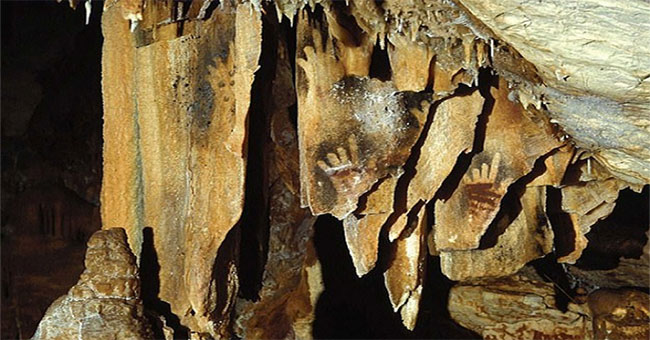
Cave art works created with red prints and some other ancient coloring agents of prehistoric humans were discovered in caves around the world.
Australian scientists have discovered the oldest star in the universe, formed 13.7 billion years ago, shortly after the Big Bang.

Scientists found that bacteria in the gums can reveal the owner's identity like fingerprints.
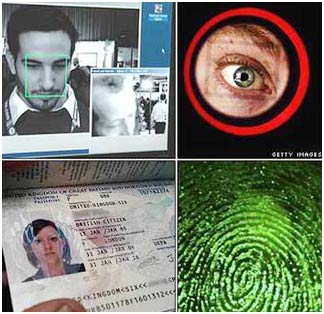
Science recognition is growing. Over the past 20 years, scientists have discovered many different methods, many new physical features to distinguish this person from oth…

There is an interesting fact that every dog has a unique nose pattern like a human fingerprint.

Believe it when there is a human-like animal in the world, the scanning electron microscope is difficult to distinguish.
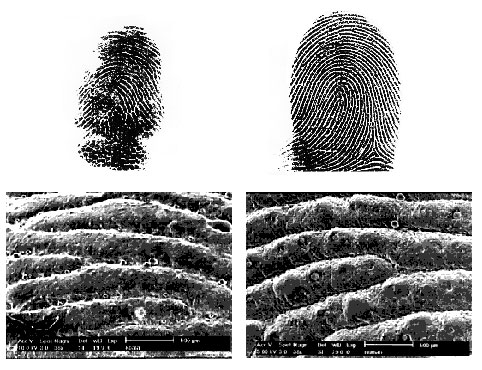
Scientists believe that the characteristics of koalas have developed primarily during their recent evolution, because their close relatives, such as kangaroos or kangaro…

The latest research by US scientists confirms the structure of the human brain gene related to seaworms. This shows that the origin of the human brain originated from a…

Traditional methods for collecting fingerprints often use powder, liquid or steam, and they can destroy fingerprints for later analysis. A new technique using X-rays wil…
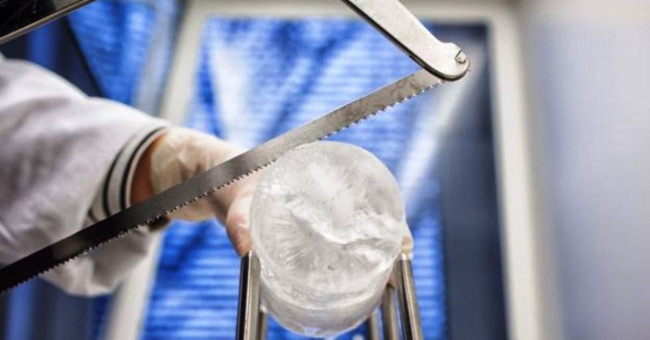
Ice cores concentrated throughout the Arctic Sea show that the micro-plastic concentrations are two to three times higher than the levels previously recorded.
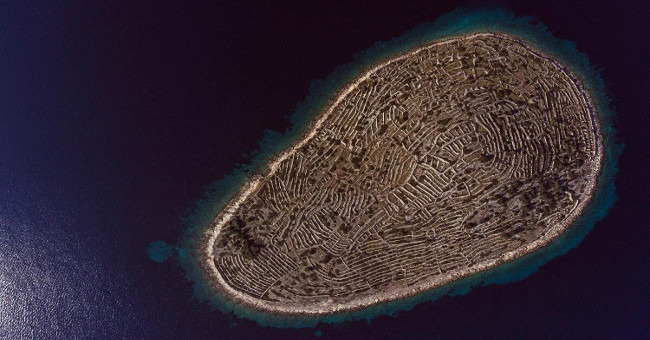
The small island in question is called Baljenac or Bavljenac. Baljenac is

A new study published in Nature Geoscience shows that natural warming, such as changes in solar radiation during this time, is almost zero.
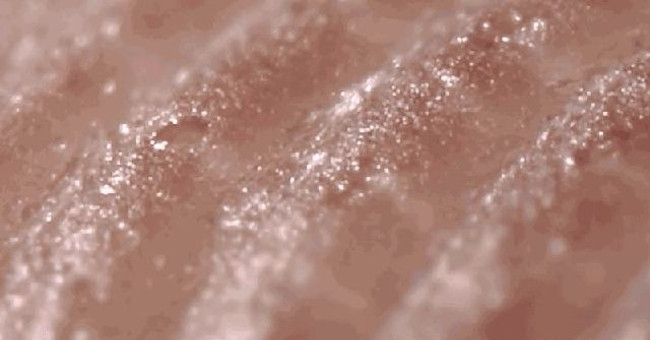
Every time we touch something, we leave behind fingerprints, which is the reason why the screen of smartphones and tablets is always full of bruises and itchy eyes, but…