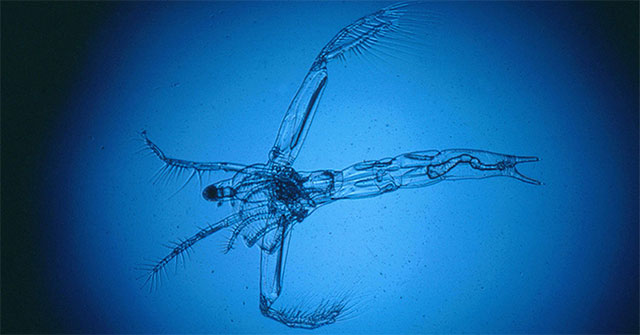
Animal world
The 'devil flea' brings mercury into the human food chain
New research shows that crustaceans throughout Leptodora at night act as an elevator transporting mercury from the lake floor to the surface.
Browse ScienceInfo articles and explainers related to Food Chain.
10 published items.
New research shows that crustaceans throughout Leptodora at night act as an elevator transporting mercury from the lake floor to the surface.
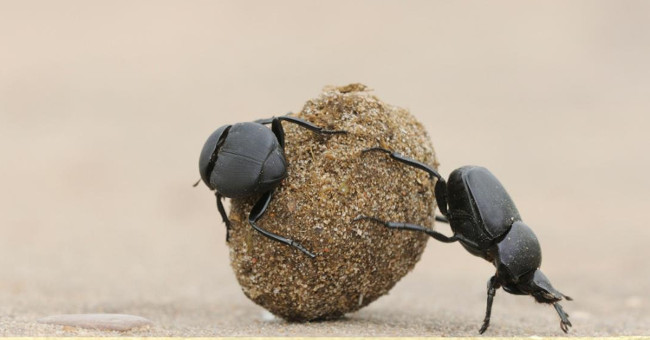
The medium is in the food chain of many insects, helping scientists discover history and preserve rare animals.
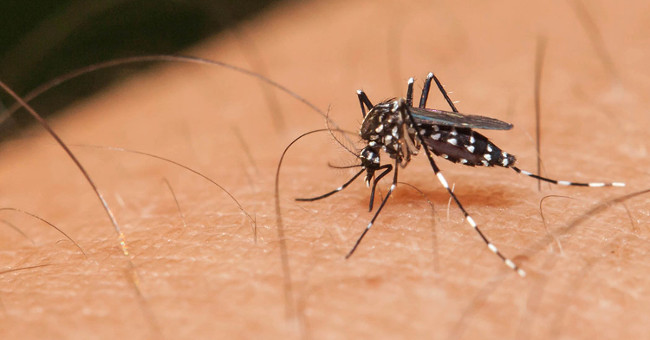
If extinct, 3,500 species of mosquitoes on Earth will now disappear. Among them, about 200 species of mosquitoes are capable of sucking human blood and three species of…
Plankton are the foundation of the marine food chain, they need sunlight to carry out photosynthesis as well as other nutrients like nitrate, phosphate and iron to feed…
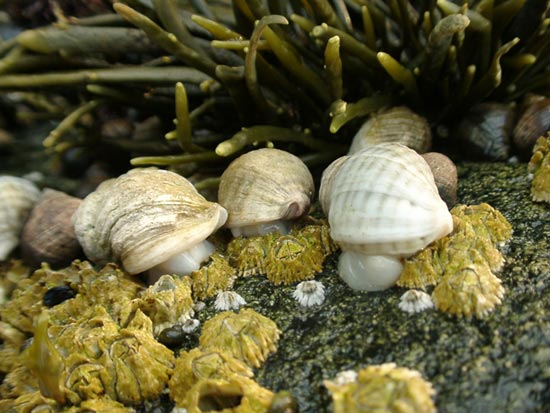
Shells of some Atlantic snail species - an important link in the food chain - have grown considerably over the last century, a new study finds.
Greenhouse gas seems to be changing the food chain at sea: CO2 in the atmosphere has a big impact on small bacteria.
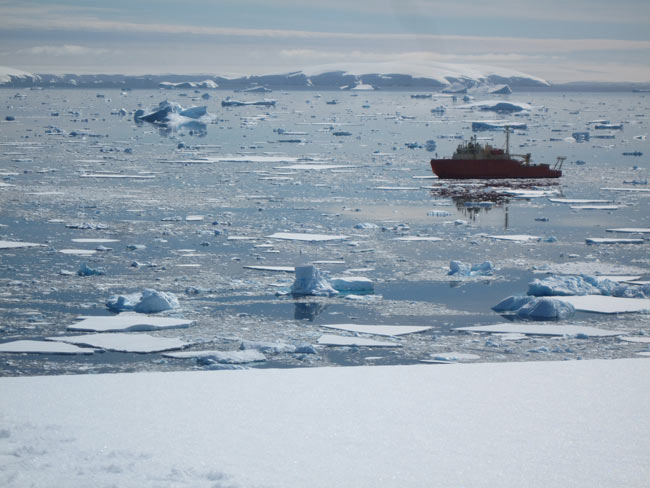
Rapid climate change on the Antarctic Peninsula has caused simultaneous changes in the region's biological productivity.
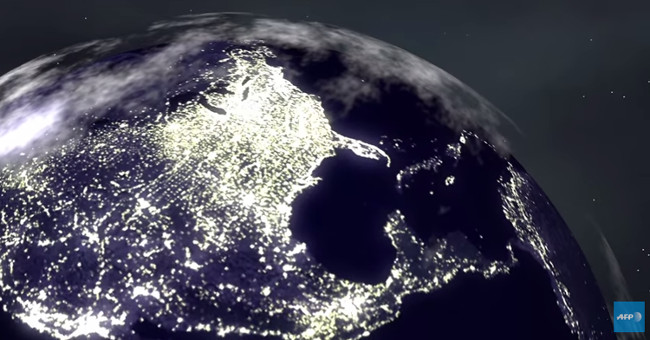
In Paris, France, at the end of the 18th century, people lit only half of the city's street lights on every full moon night. This is due to economic reasons instead of t…
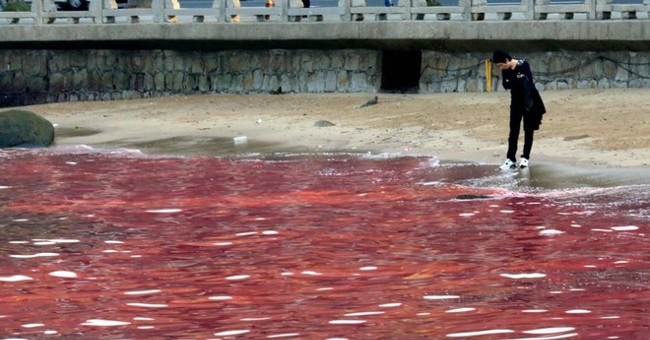
The toxin produced by red tide phenomenon due to algae outbreak has the ability to paralyze the very strong nervous system, which once killed people.
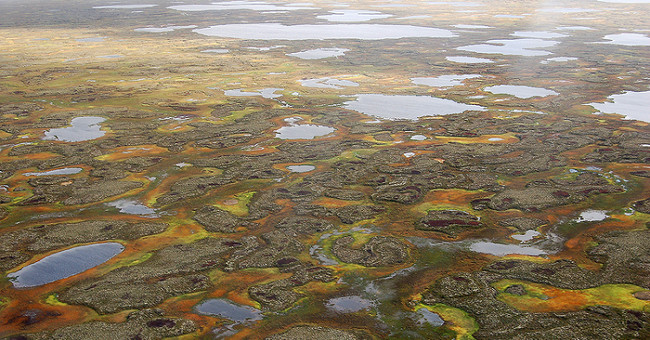
Mercury in liquid form is less toxic, but its compounds and salts are very toxic and cause brain damage, liver, and human exposure, breathing or ingestion.