Space science
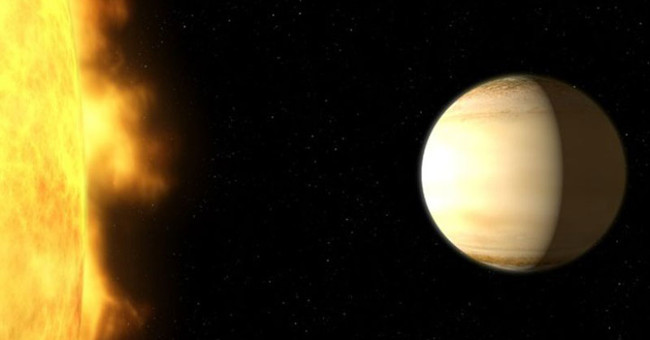
Discovering the planet has three times the amount of Saturn
They used the Hubble space telescope and the Spitzer telescope to create a detailed spectrum of the WASP-39b atmosphere, allowing for evidence of water's existence.
Browse ScienceInfo articles and explainers related to Form.
1,962 published items.
They used the Hubble space telescope and the Spitzer telescope to create a detailed spectrum of the WASP-39b atmosphere, allowing for evidence of water's existence.
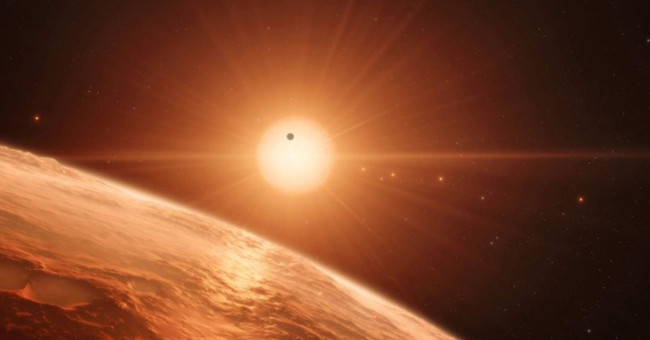
After decades of questions, scientists have finally detected the signals of early stars and this is considered to be the biggest astronomical breakthrough ever.

New molecules can form in the wind or energy spill streams from super-heavy black holes at the center of galaxies, according to a theory in a study published in the Jour…
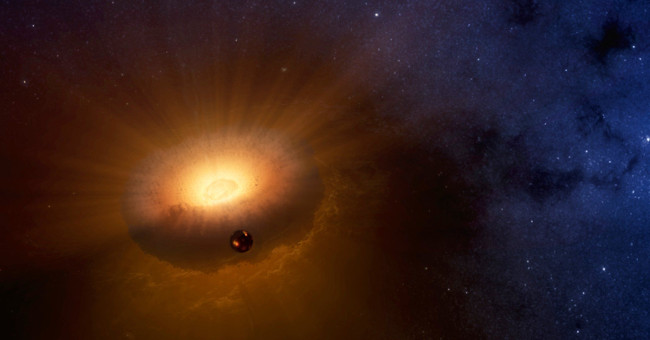
An international research group offers a new theory of the formation of the Moon. According to their analysis, the Moon was born inside the Earth before the Earth became…
Researchers want to convince cosmological biologists to spend a lot of time searching for this strange mechanism of the virus molecule.
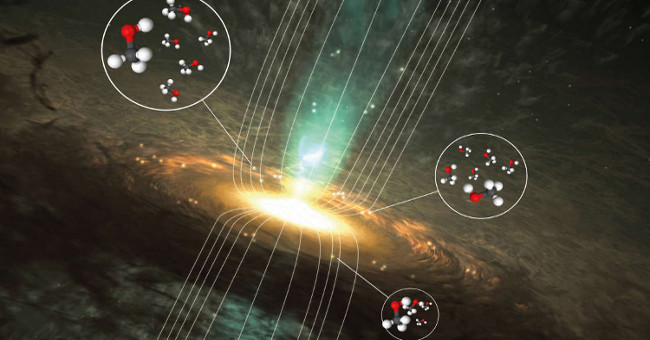
However, researchers at Chalmers University of Technology (Sweden) have invented a new method, using methanol - the simplest form of alcohol.
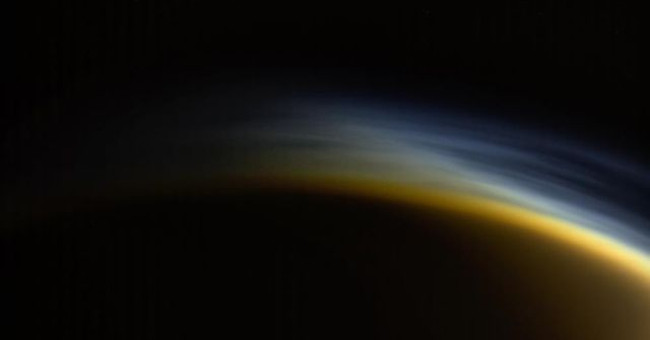
NASA has just released two stunning new images of Saturn's moon Titan, where scientists believe it is eligible to form extraterrestrial life.
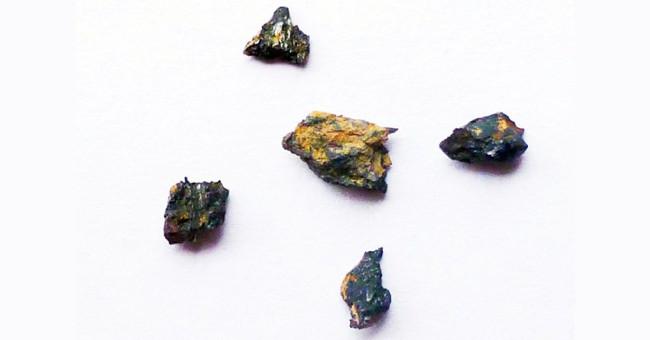
A small pebble in Egypt containing microscopic diamonds and many compounds cannot be found anywhere in the solar system.
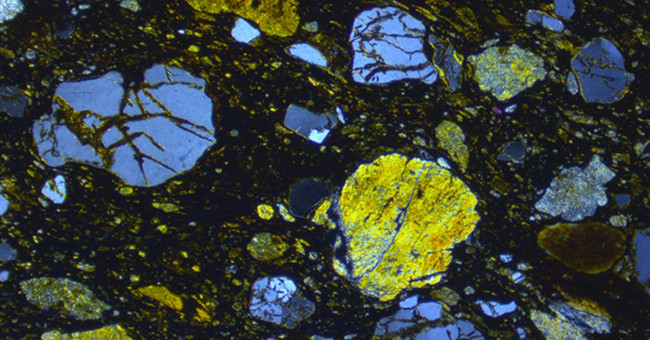
Geologists found osbornite, a mineral once collected by NASA in the form of cosmic dust.

Planetary microscopic objects bombarded the Earth nearly 4 billion years ago, bringing many precious metals.
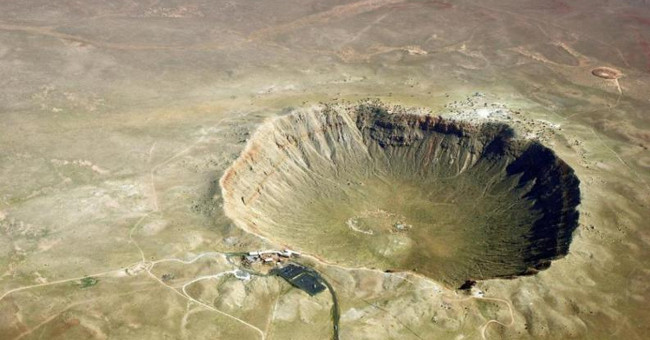
Meteors, sky rocks are generally a general noun that names objects from space and collides with the Earth's surface.
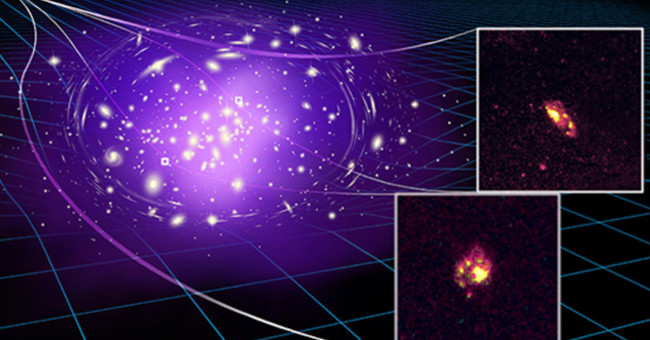
This is the oldest galaxy ever discovered, formed only 2.6 billion years after the Big Bang. The results are published in Cornell University's online library, USA, on Oc…
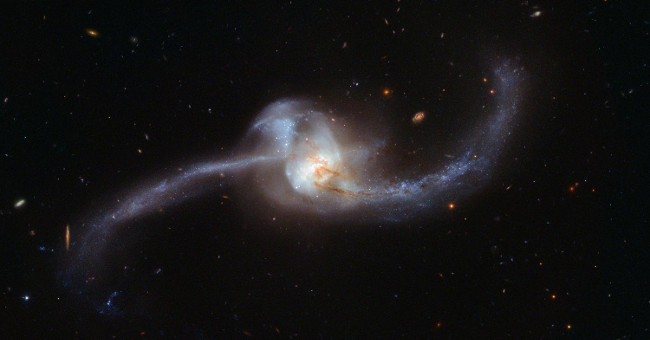
The spiral-shaped NGC 2623 galaxy helps scientists understand more about the Milky Way collision in about 4 billion years.
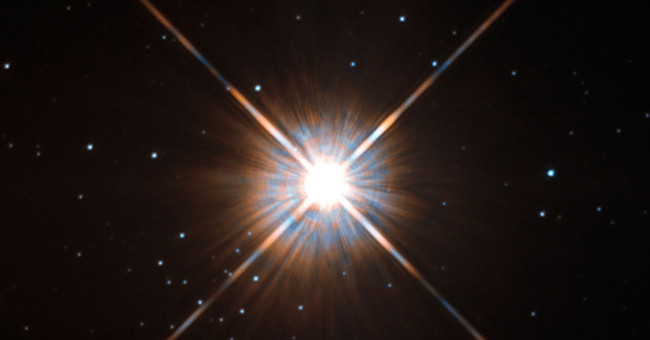
A team of astronomers discovered traces of clouds formed from cold cosmic dust surrounding the planet Proxima b discovered in 2016.