Space science
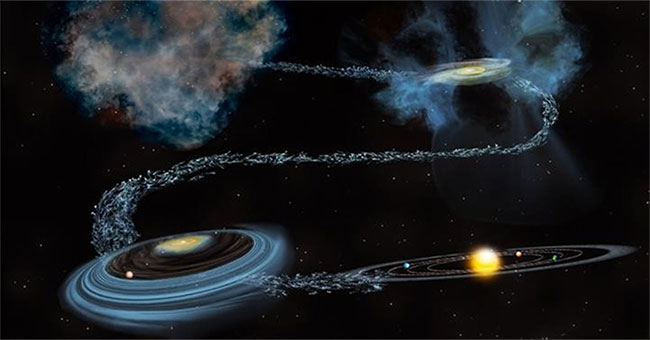
Can interstellar dust create the Solar System?
The team of astronomers found some interstellar dust, involved in forming Earth and the Solar System billions of years ago.
Browse ScienceInfo articles and explainers related to Form.
1,962 published items.
The team of astronomers found some interstellar dust, involved in forming Earth and the Solar System billions of years ago.
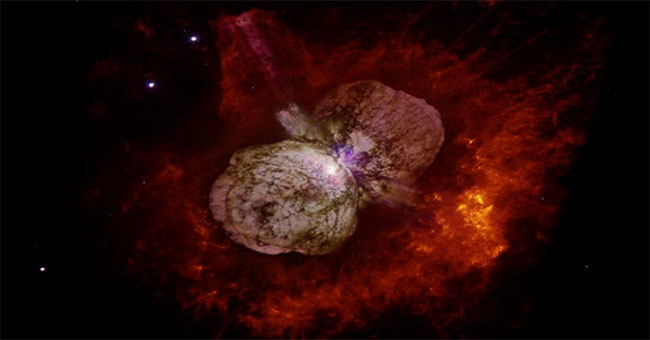
Located 7,500 light-years from Earth, the Eta Carinae star system is formed by two stars that are 90 and 30 times the mass of the Sun, extending 225 million km (140 mill…
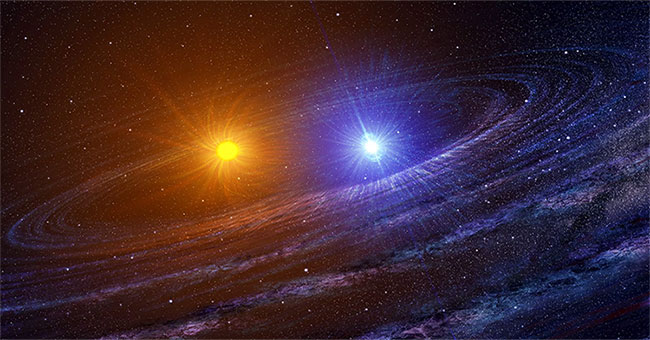
In the 1980s, physicist Richard Muller at the University of California, Berkeley presented the idea of a twin star with our Sun.
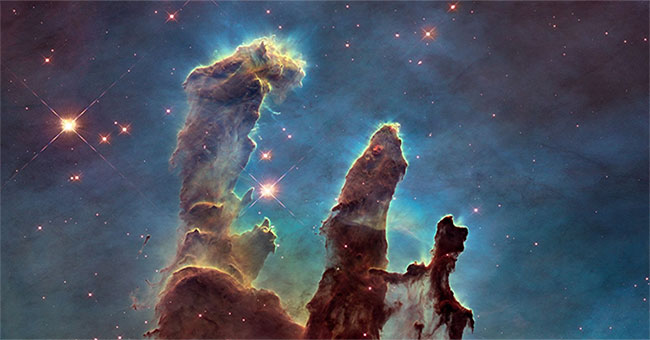
For the first time, scientists have created a detailed map of the magnetic field inside the pillars, becoming famous by an iconic image of 1995 from the Hubble Space Tel…
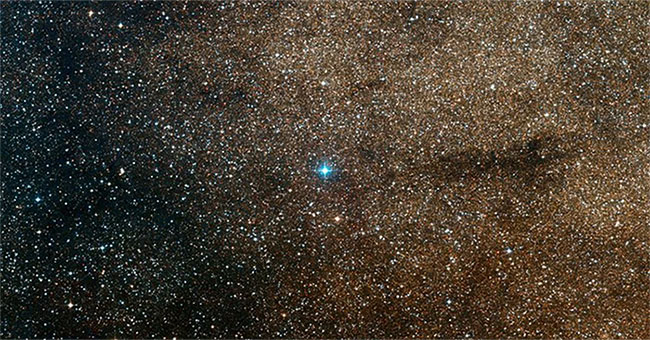
These three young planets orbiting a star called HD 163296, are about 330 million light-years away in the constellation Sagittarius.
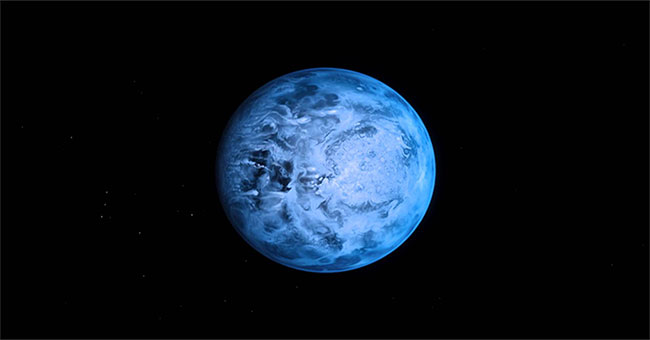
Glass rain, super typhoon or dizzying temperature change are three of the special phenomena that occur on outer planets.
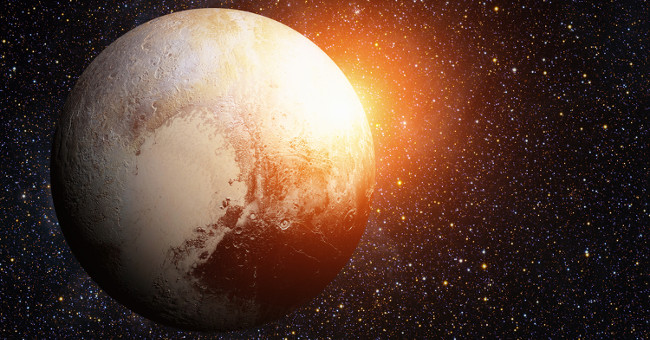
The expert team studied the chemical composition of Pluto to come up with a new hypothesis.
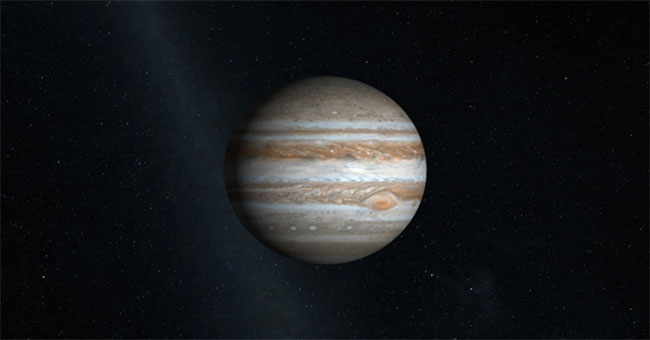
Many scientists believe that the Earth was formed and protected from some Jupiter collisions.
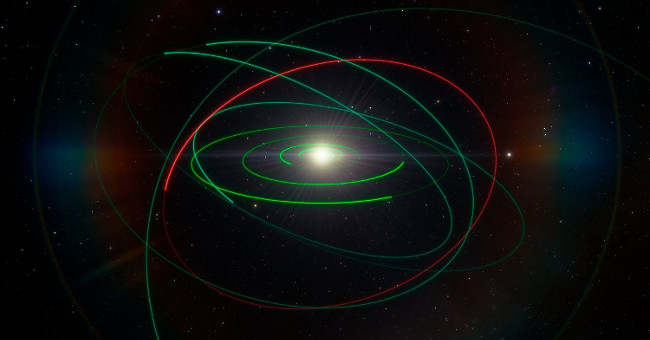
The discovery of the asteroid 2004 EW95 played an important role in helping astronomers discover the early formation of the Solar System.

When this Universe was formed after the Big Bang occurred, the theory was that matter and antimatter were produced equally.
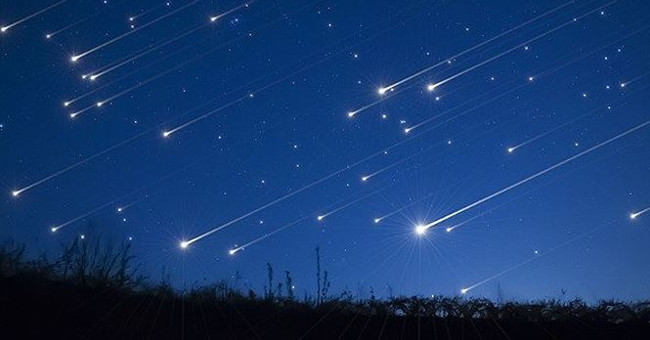
Lyrid meteor shower is formed from dust particles left by comet C / 1861 G1 Thatcher, usually appearing April 16-25.
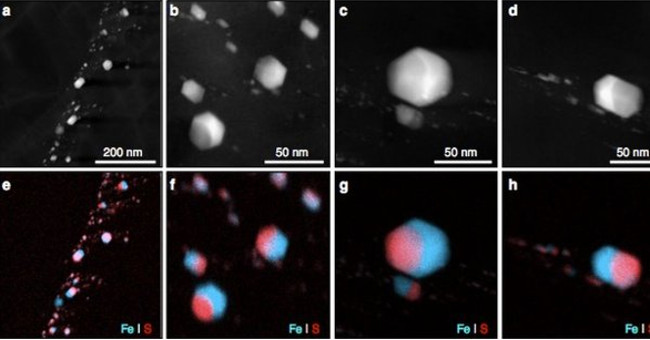
Scientists in Switzerland, France and Germany, studied the number of diamonds in the Almahata Sitta meteorite debris crashed into the Nubian desert, Sudan, October 2008.
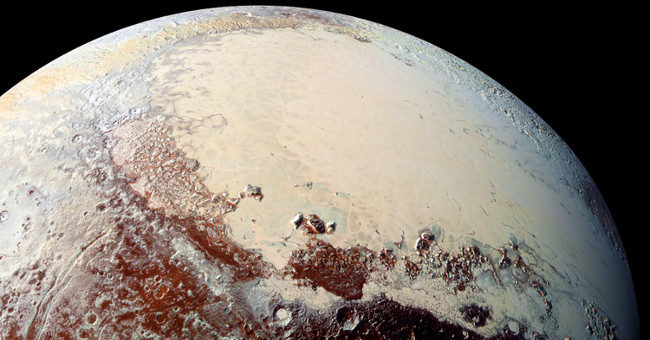
The idea is still theoretical but may influence scientists' understanding of how Pluto is formed and developed.

The new research shows that the Milky Way is expanding with new stars being born, Space reported on April 4.
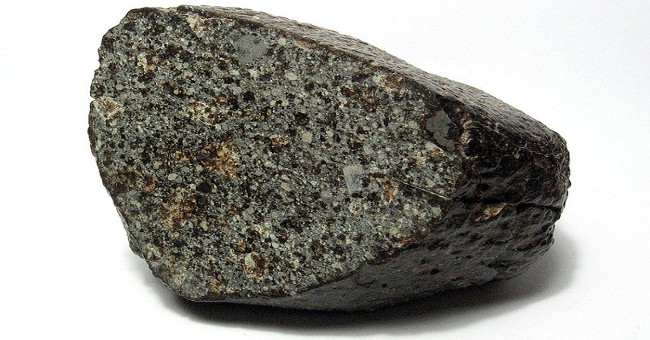
Chondrit is the most common meteorite falling to Earth with estimates of the ratio between 85.7% and 86.2% of meteorites falling to Earth.