Space science
New history page about black holes (part II)
According to Martin Haehnelt of Cambridge University, simulations of the evolutionary process began to emerge in the mid-1990s when researchers found but the clue shows…
Browse ScienceInfo articles and explainers related to Form.
1,962 published items.
According to Martin Haehnelt of Cambridge University, simulations of the evolutionary process began to emerge in the mid-1990s when researchers found but the clue shows…
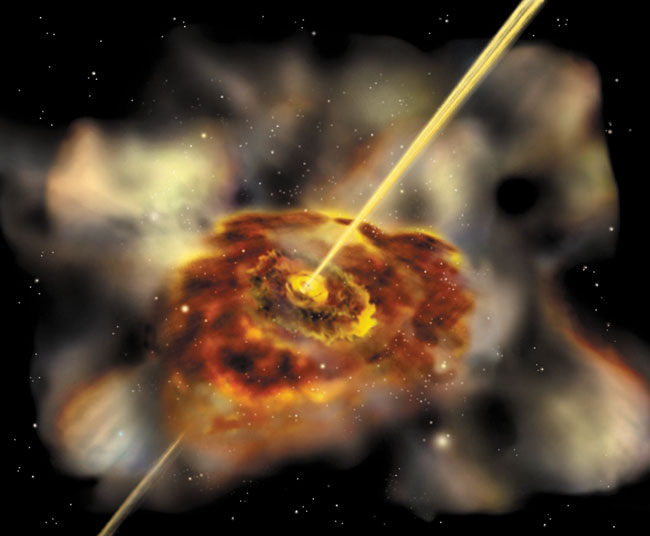
Scientists have envisioned galaxies forming along a monolithic collapse path, in which a giant gas cloud bursts from within.
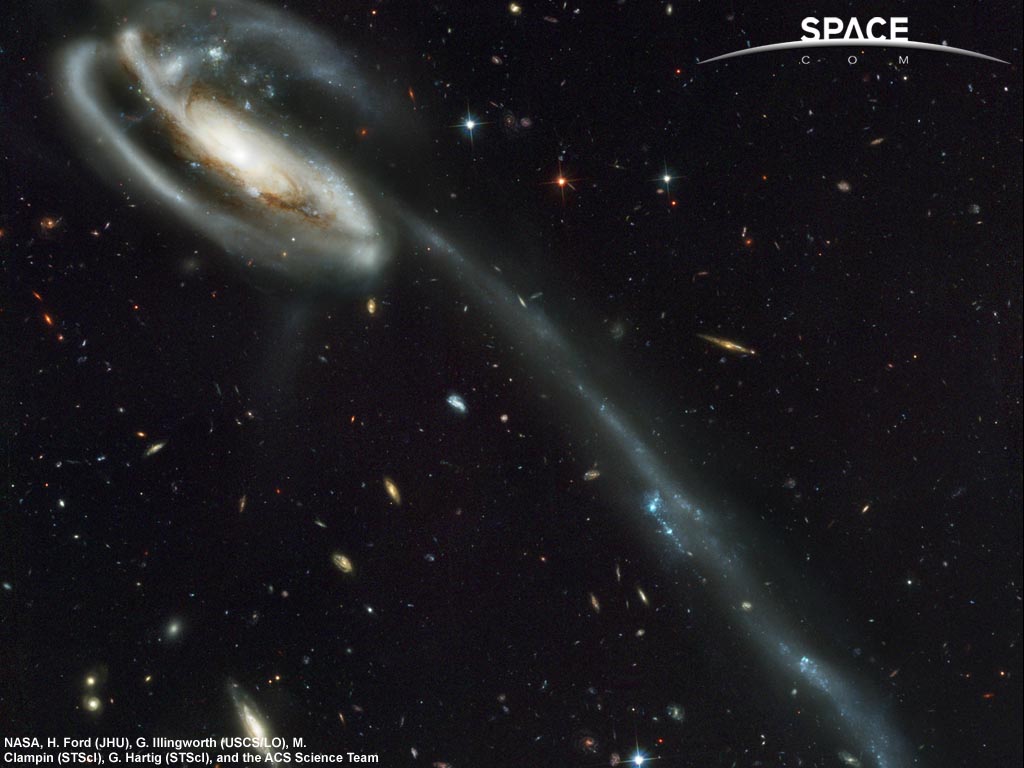
Cosmic dust annoyed astronomers because they prevented them from observing their distant stars.
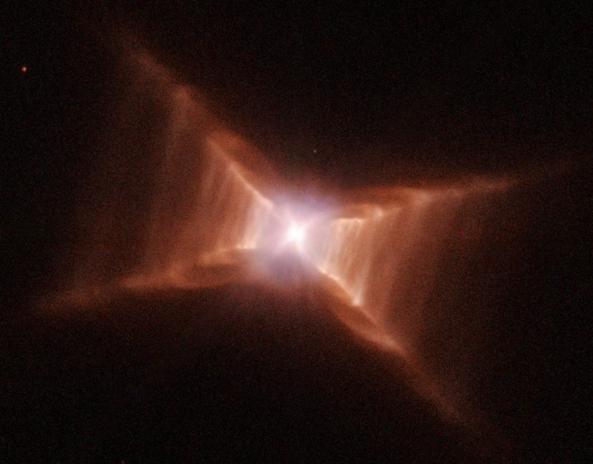
When galaxies form, their stars form everywhere at the same time or just concentrate in the tiny central region?
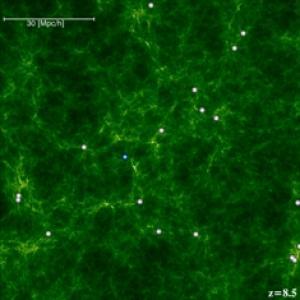
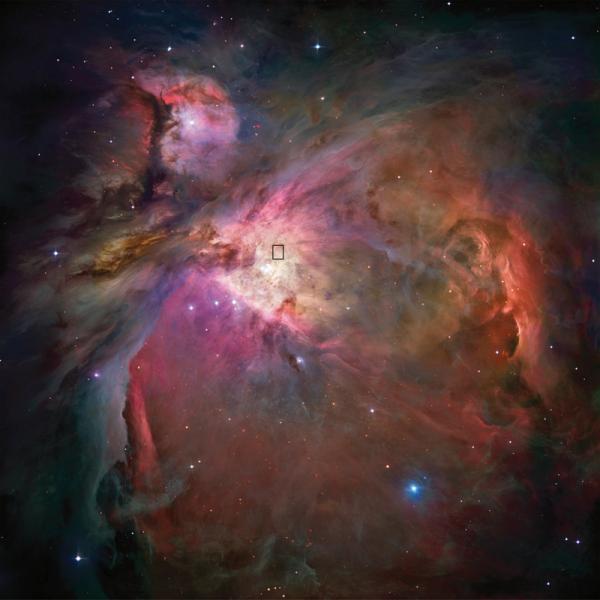
The images developed by scientists at Durham University's Cosmology Institute represent the

Some British scientists still believe that nearly 38,000 planets in the universe can nourish life.

The first stars in the universe used to contain millions of microscopic black holes.
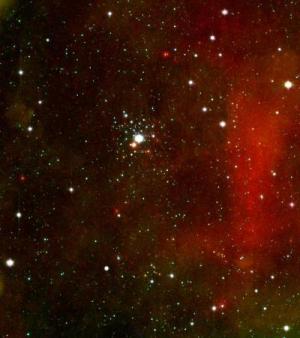
Jupiter gains weight quickly when young. It is required to do so because the material from which Jupiter formed disappears after only a few million years, according to a…

US astronomers have claimed that galaxies are not the first entity in the universe, because supermassive black holes have appeared before them.

Two newly discovered meteors can give new insights into the formation and evolution of these small planets.

Astronomers have discovered evidence that brown stars have the same process of formation as normal stars.

Like ballet dancers dancing around an invisible leader, dozens of stars in the Milky Way are revolving around a supermassive black hole.

US scientists have discovered many large carbonate mineral salts in the rock seams on Mars. This proves that the red planet once had a lot of water.
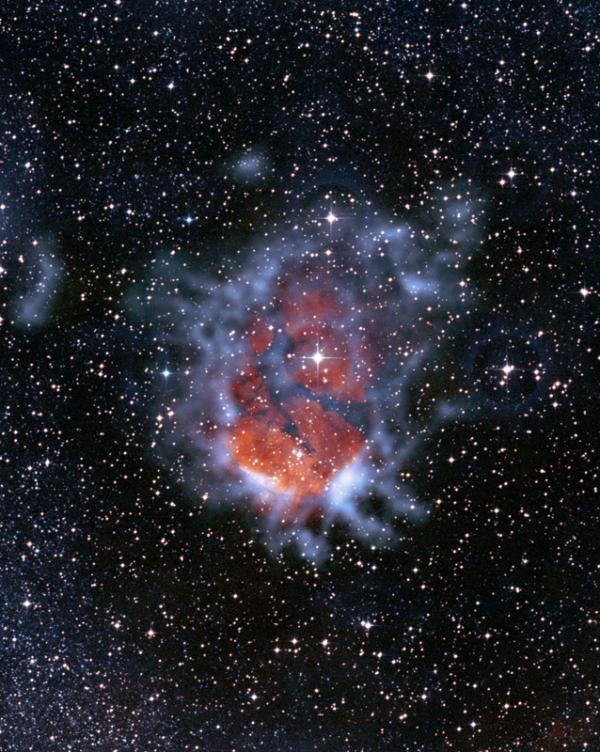
An image of the APEX telescope reveals how an ionized gas bubble causes surrounding materials to turn into dense blocks, thereby forming new stars.
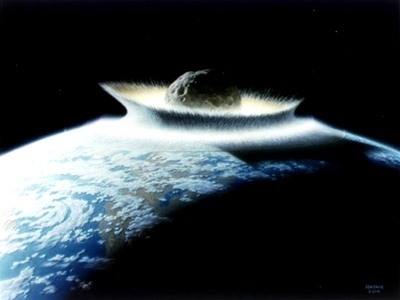
About 20 meteorites with sizes less than 100m have been formed in the last 10,000 years, but only 5 of them are known.