Space science
Interstellar material
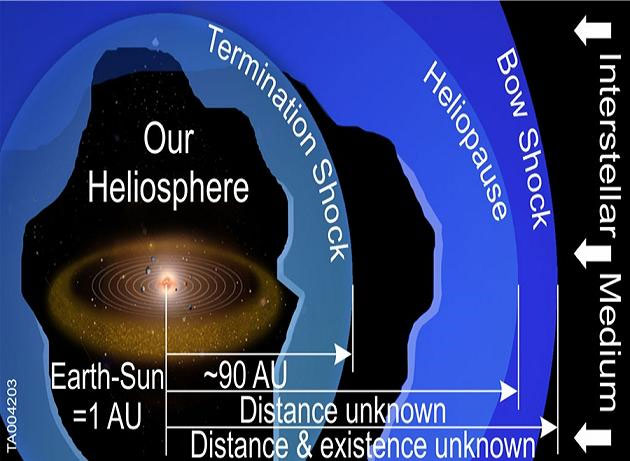
NASA's interstellar zone exploration program (IBEX) has obtained the best and most complete view ever of what is outside our solar system. New measurements provide clues…
Browse ScienceInfo articles and explainers related to Formation.
530 published items.
NASA's interstellar zone exploration program (IBEX) has obtained the best and most complete view ever of what is outside our solar system. New measurements provide clues…
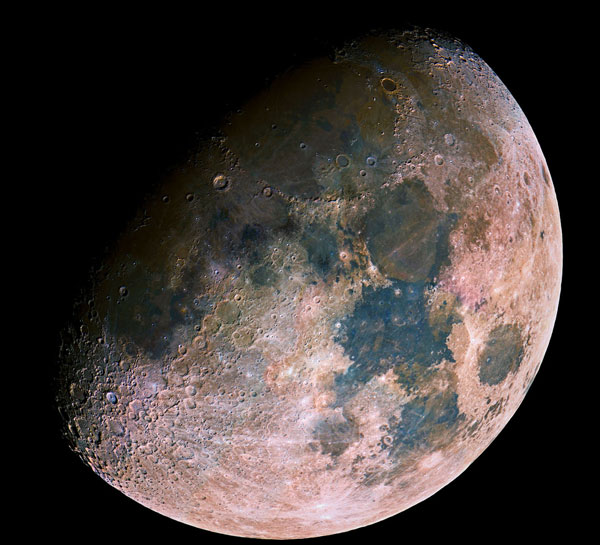
The global process is compressed into the Earth's natural satellite, which has just been published in the Science journal Science.

American astronomers have discovered 18 new planets of the same size as Jupiter. They turn around stars larger than the sun.
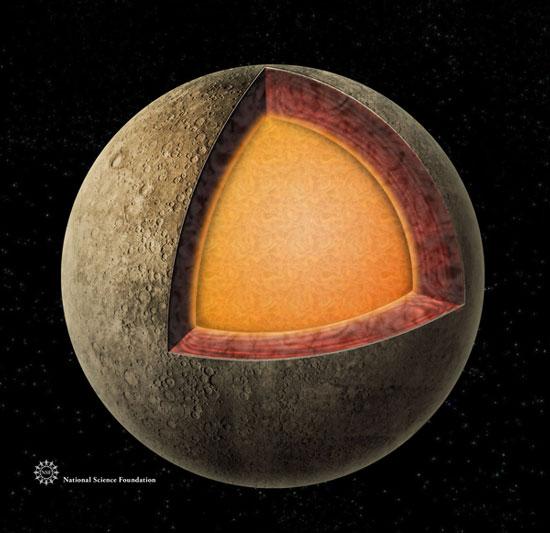
Among the planets in the solar system, Mercury suffers the most miserable fate. Only about 4,880km in diameter and in 4.5 billion years of existence, it constantly burne…
The prestigious National Geographic TV channel recently released a short clip explaining the formation of the Earth in the universe.
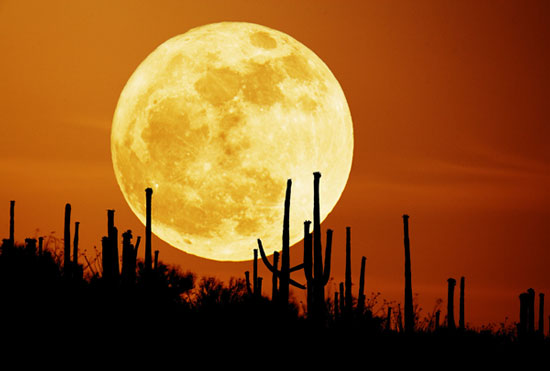
According to the latest research by Carnegie Science Institute, published in the journal Nature of the United States on August 17, the Moon may be formed later than prev…
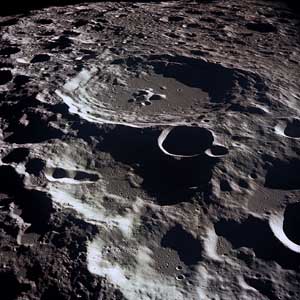
The latest research by US scientists discovered water on the Moon mostly from comets.

Scientists successfully deciphered the secret of the SO2 gas layer on Venus's upper atmosphere through analyzing the data collected.

Astronomers first observed the formation of a black hole when tracking a supernova 50 million light-years from Earth.
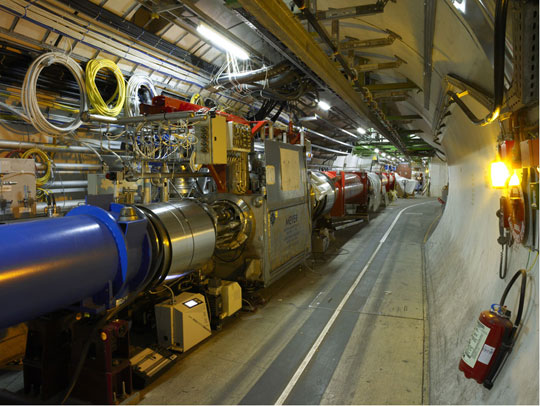
Successful implementation of inter-collision experiments
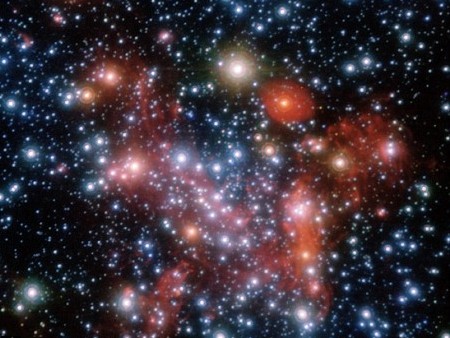
During the study of a group of galaxies, scientists discovered galaxies
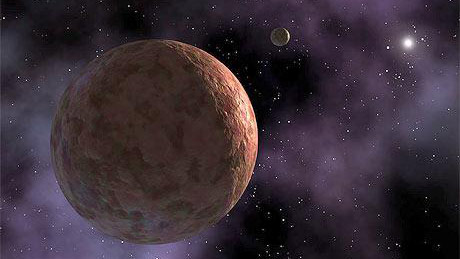
Scientists have proven that the solar system is older than we thought after analyzing the material of a meteorite

The world's largest particle accelerator is accelerating faster than expected and may soon unravel the universe's deepest mystery.

Recently, cosmologists have gradually lifted the veil of mystery about the formation of the early pink universe through the theory of cosmic bubbles after the Big Bang.

Compared to previous research on Earth's age, scientists from Cambridge University (UK) have confirmed the green planet is younger than 70 million years ...