
Space science
The small planet has an Earth-like crust
Two newly discovered meteors can give new insights into the formation and evolution of these small planets.
Browse ScienceInfo articles and explainers related to Formation.
530 published items.
Two newly discovered meteors can give new insights into the formation and evolution of these small planets.
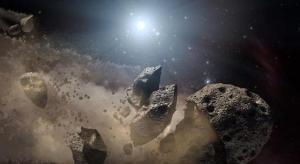
Astronomers used unexpected objects to study the development of planets - dead stars.

Astronomers have discovered evidence that brown stars have the same process of formation as normal stars.

New research shows that volatility plays an important role in creating the right conditions for planet formation.
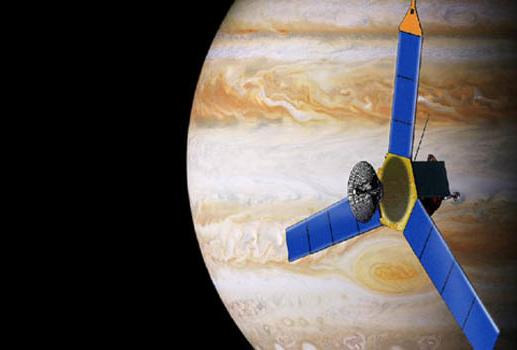
NASA officially undertook a new task to conduct a very detailed study of the planet.
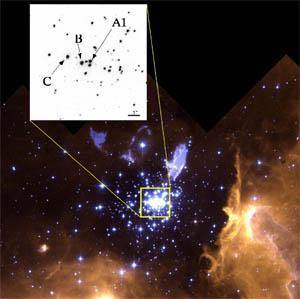
The theoretical models of star formation have hypothesized the existence of extremely large stars that could reach 150 times the mass of the sun.
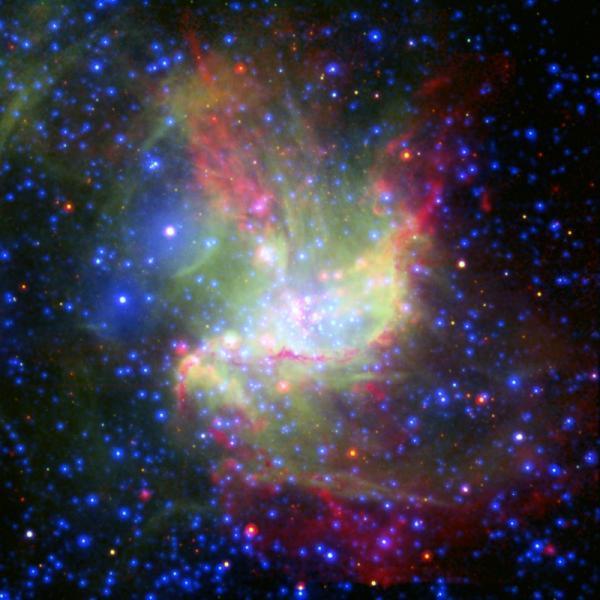
The terrestrial and space telescope combined to capture a picture provides a new perspective on the region's history with a great deal of NGC 346.
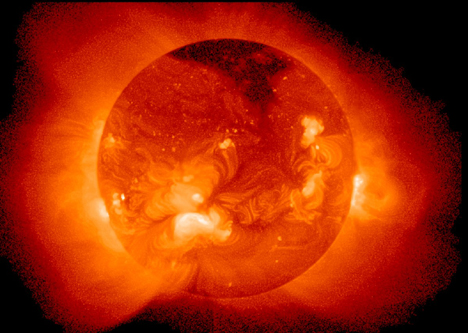
The strange oxygen atom mixture in an exploded meteorite in the sky of Pueblito de Allende, Mexico nearly 40 million years ago has caused scientists to suffer since that…
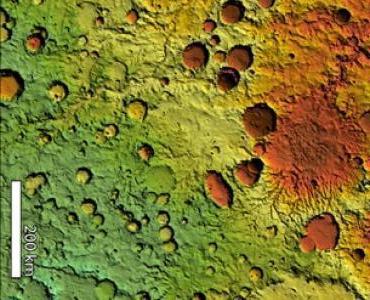
The valley network on Mars is caused by periodic floods during long periods when the Martian climate has the same conditions as dry areas, with little rain on Earth.
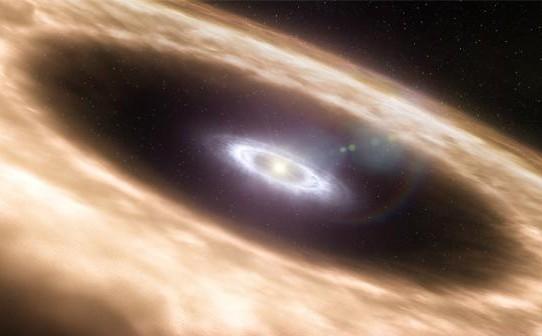
Astronauts are now able to study the planet-forming disk around young Sun-like stars, thereby revealing the movement and distribution of gas in the inner region of the d…

Popular hypothetical models attempt to explain the formation of the solar system that the solar system is nothing special in every respect.
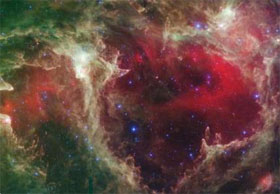
The new photo by NASA's Spitzer Space Telescope tells us the story of life and death in a family's rich history.
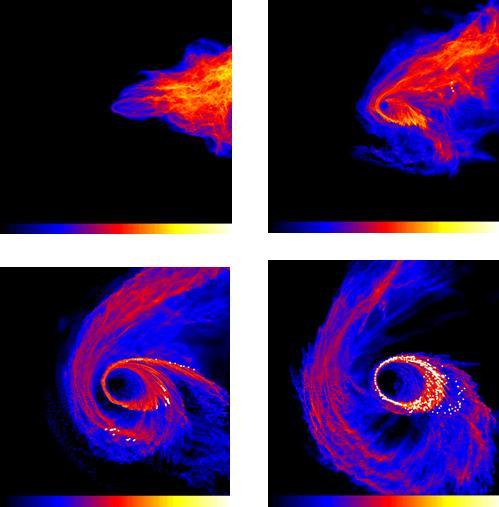
The mystery of the formation of young stars under the giant gravity of black holes has been revealed by a group of astrophysicists at the University of St Andrews and Ed…
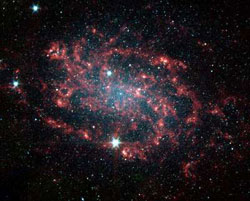
A recent study by American astronomers demonstrated that Earth-like planets - meaning not too hot and too cold for life to develop - are quite common in the universe.
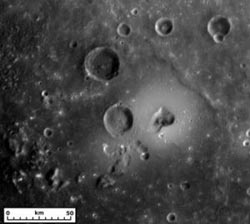
The role of volcanic activity on Mercury surface formation is much greater than what scientists think. This result was obtained by multi-spectral imaging data collected…