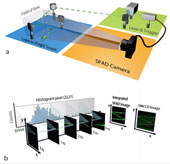
New technologyBy using a speed camera of approximately 20 billion frames per second, scientists have returned to the video for the first time to show a laser beam moving in the air fo…
December 12, 2018
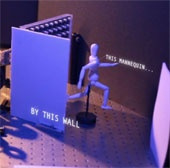
New technologyYou probably know that scientists have used a speed camera equivalent to 20 billion frames per second to capture the motion of a laser for 6 nanoseconds.
December 12, 2018

New technologyAccording to a reporter in Japan, Active Link Technology Company of Panasonic Electronics Group officially announced the robot frame models to support human activities.
December 11, 2018

New technologyWith its light weight and good strength, titanium is the best material to produce bicycle frames.
December 11, 2018

New technologyAccording to experts, the tool will split the child's cough record into frames of just 12.5 milliseconds, then analyze each of these frames for parameters such as in…
December 11, 2018
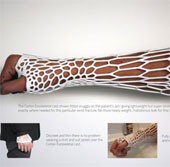
New technologyIf you have ever had a bone fracture, you probably know how uncomfortable it is, and you have to carry plaster casts and fuss. 3D printing technology will change this.
December 11, 2018
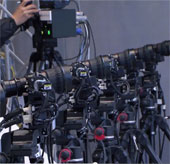
New technologyJapan's NHK Television has developed an extremely unique camera system, which allows recording of a frame from various angles.
December 11, 2018

New technologyJapan's NHK TV has built a robotic camera system that allows recording a frame from many different angles.
December 11, 2018

New technologyAfter launching the 4K / Ultra HD TV set
December 11, 2018
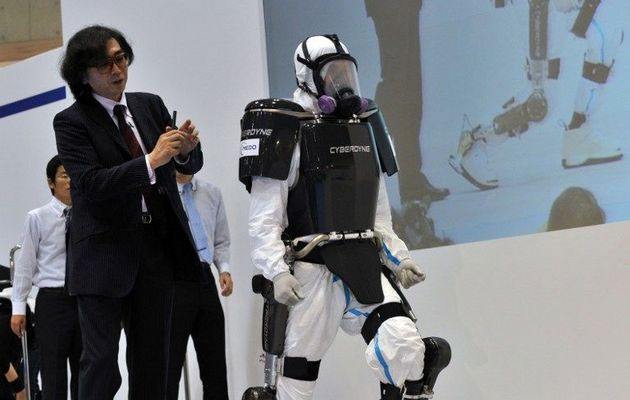
New technologyThe semi-mechanical robotic frame (HAL) contains radiation shielding metal material and weighs about 70kg but the wearer can move very comfortably and perform various ta…
December 11, 2018
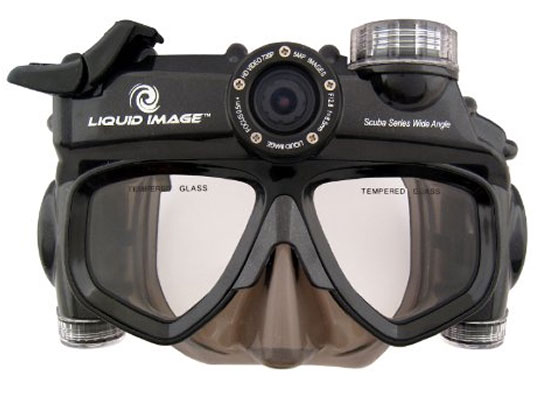
New technologyWide Angle Scuba Series HD can shoot Full HD video at 30 frames per second and take 12-megapixel stills.
December 11, 2018

New technologyIn football, goals are determined when the entire ball crosses the horizontal line of the goal. However, this is a very sensitive situation because the referee sometimes…
December 11, 2018
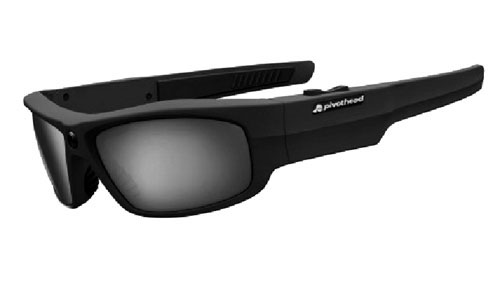
New technologyPivothead's special glasses also have the ability to record images during use.
December 11, 2018
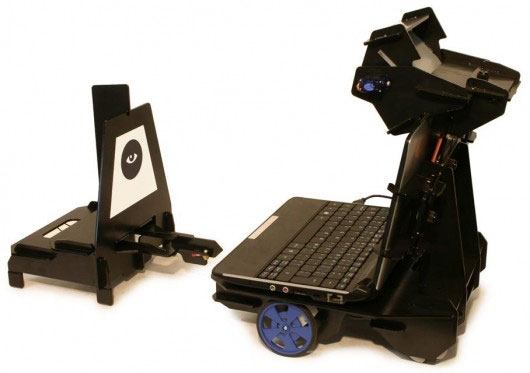
New technologyThe Oculus telepresence robot was created by Colin Adamson, a Canadian industrial designer.
December 11, 2018

New technologyStudents at the Florida Institute of Technology in Melbourne have just taken a first-ever X-ray image with a speed of 10 million frames per second.
December 11, 2018