Discover science
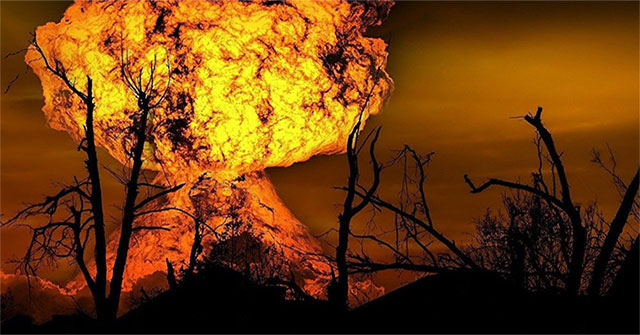
What can be eaten after a nuclear war disaster?
Scientists from the Alliance to protect the Earth from natural disasters (ALLFED) say what humans can eat in the event of a nuclear war, BusinessInsider newspaper report…
Browse ScienceInfo articles and explainers related to Fungi.
162 published items.
Scientists from the Alliance to protect the Earth from natural disasters (ALLFED) say what humans can eat in the event of a nuclear war, BusinessInsider newspaper report…
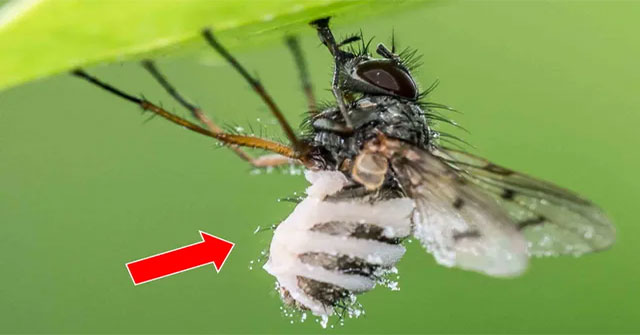
Silently turning the prey into a living corpse, operating under its control, while silently ingesting the target's organs and eventually killing it for the purpose of re…
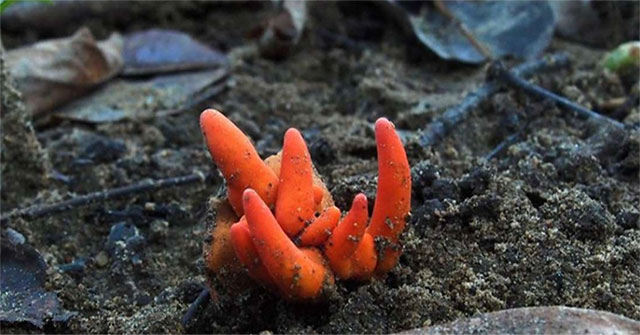
Fungi coral mushroom - a very toxic mushroom was first discovered in Australia, the natural home for strange life forms.
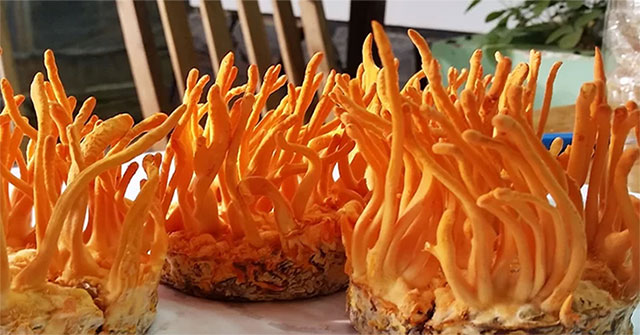
Cordycepin found in Cordyceps fungus can replace the popular Glyphosate type in Vietnam banned list from April 10, 2019.
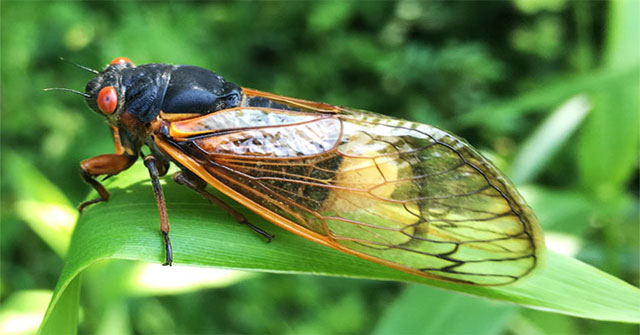
A parasitic fungus not only explodes cicadic belly to spread spores but also controls them to mate to death to increase infection.

The scary disease is a fungus called Candida auris, focusing on individuals with weakened immune systems, and in silence, they are spreading to every corner of the globe.
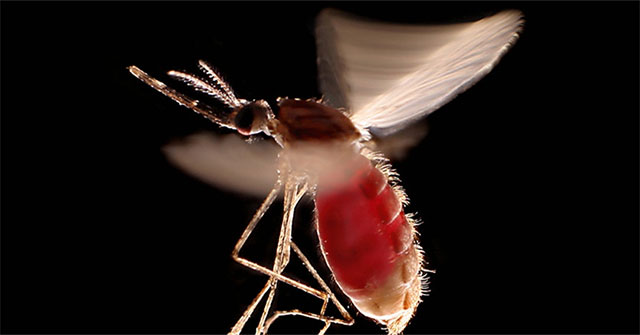
The researchers say their goal is not to make the mosquito extinct but to help prevent the spread of malaria from female mosquitoes sucking on human blood.
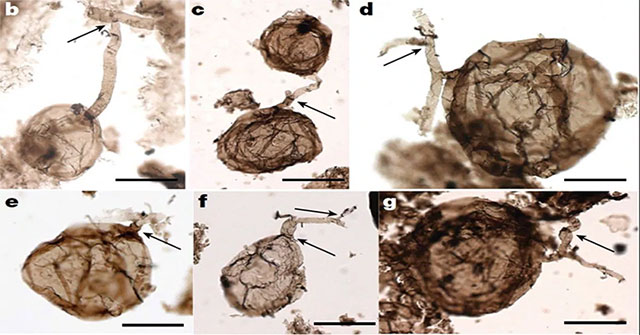
New discoveries of mushroom fossils in Canada can reshape our understanding of how life grows.

A study recently released on Wednesday found that dozens of very popular electronic cigarette products are now infected with bacterial and fungal toxins that cause lung…
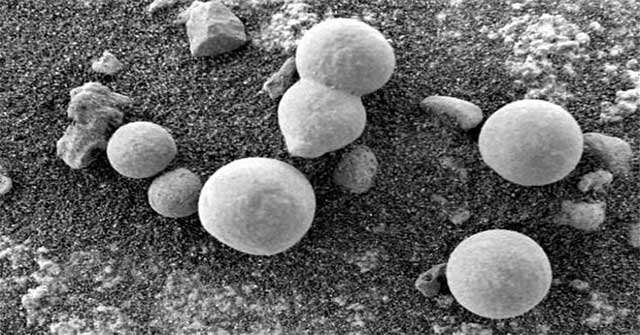
Many scientists believe that some images of the Martian surface are evidence that life exists on the Red planet.

Plants often face attacks from fungi, bacteria, insects (aphids, caterpillars, grasshoppers, ...) and animals that eat plants (pandas, elephants, ...).

Bacteria, chemicals, fungi, microscopic organisms, ... create an invisible universe that always surrounds us, following us from birth to old age.
The type of material mentioned above is named
Without plants, our Earth could hardly have this easy breathing atmosphere.
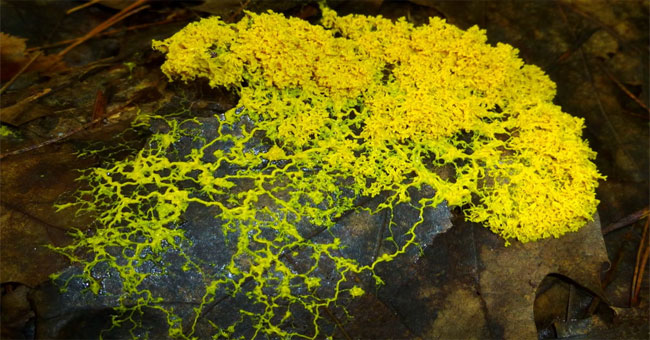
Although there is no brain, single-celled organisms such as mucus are able to communicate what they have learned to each other.