Biology
Mysterious 'ghost' tree lives without photosynthesis
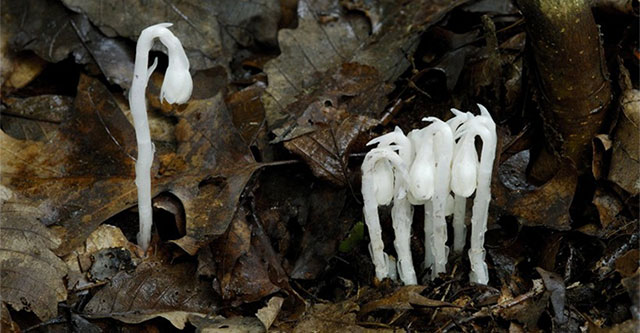
Containing no chlorophyll and requiring no sunlight, the ghost tree hides deep in the dark forests of Africa and Asia.
Browse ScienceInfo articles and explainers related to Fungi.
162 published items.
Containing no chlorophyll and requiring no sunlight, the ghost tree hides deep in the dark forests of Africa and Asia.
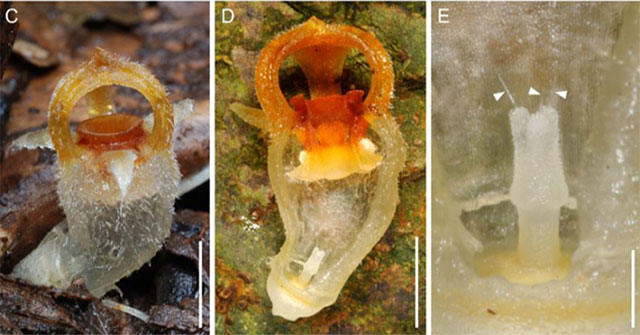
A mysterious plant with lantern-like flowers, declared extinct in 2010, has been rediscovered in Hyōgo Prefecture, Japan.
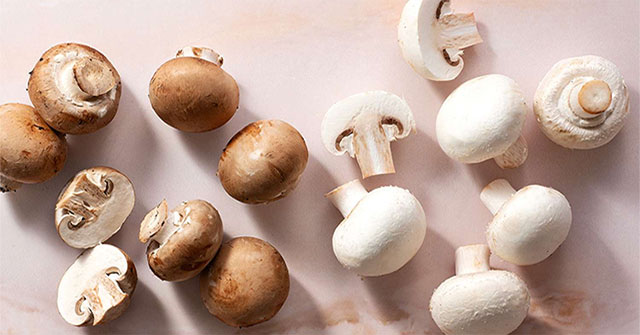
Just take a walk through a forest in America and you will easily come across mushrooms of all shapes, sizes and strange colors.

These mushrooms can be very large, with the largest measuring 8 metres tall and 1 metre wide.

Bacteria and viruses aren't the only mutating pathogens we need to worry about.
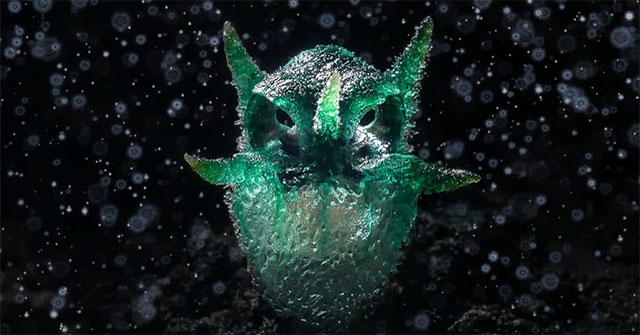
Thismia thaithongiana does not photosynthesize but obtains energy and nutrients from the fungus. Due to its owl-like appearance, it is also called
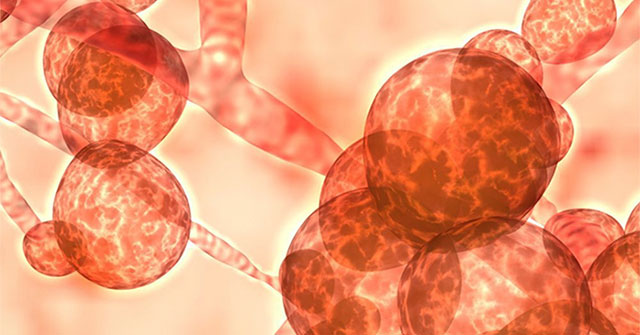
In a hotter world, people are facing a lot of difficulties from epidemics.
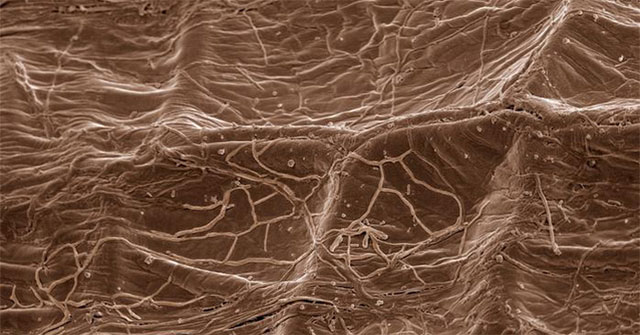
The ground beneath our feet has a vast microbial network known as the 'wood wide web', also known as the tree's social network. This network allows trees to communicate…
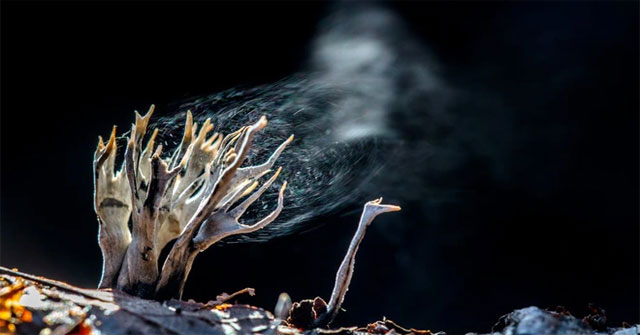
According to researchers, some fungi produce toxins to avoid being eaten, to be able to reproduce.
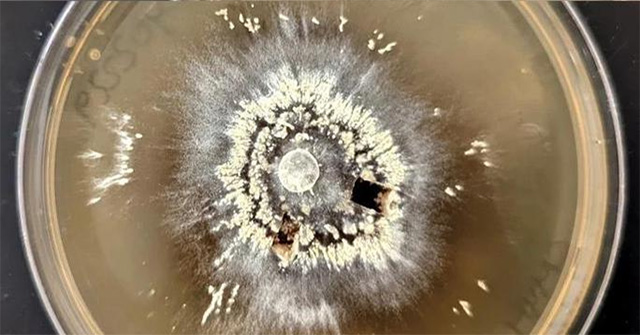
New research shows that a host of fungi and bacteria not only survived the Great Soberanes fire in 2006 but thrived like never before, as if fueled by fire.
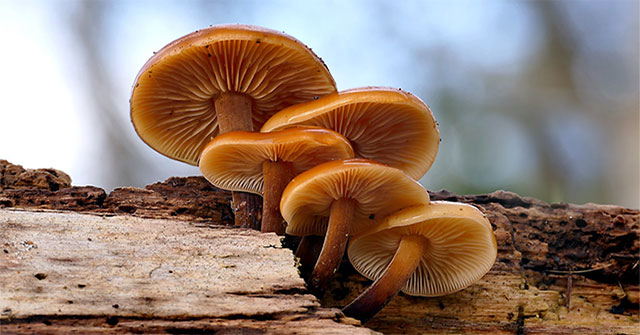
A new study by British scientists shows that fungi not only 'talk' to other individuals through the mycelium, but also use up to 50 words that make everyone surprised.
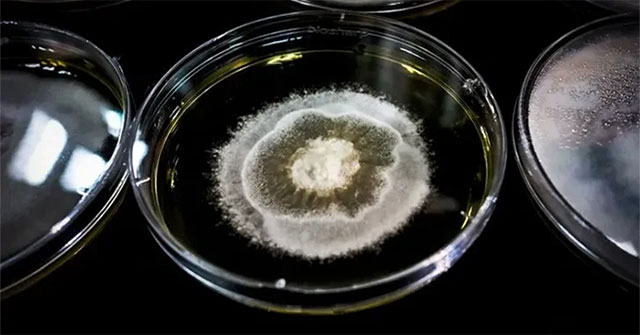
The new fungus discovered in southwestern China is a very
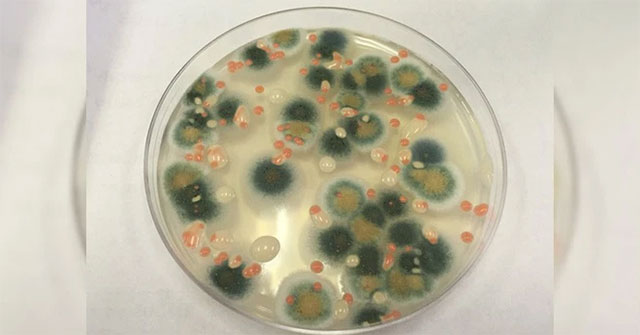
This strange fungus grows around and inside the Chernobyl Nuclear Power Plant. It contains large amounts of melanin which helps it to convert radiation into energy for g…
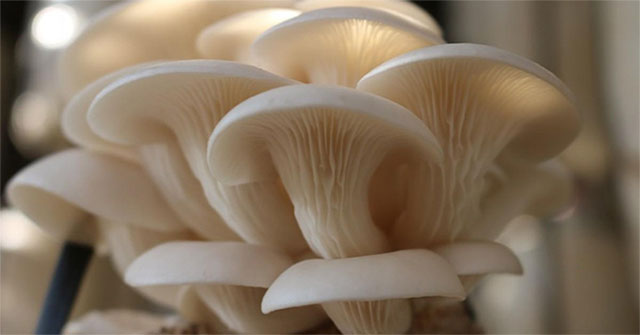
Chinese scientists have recently discovered that oyster mushroom, a common edible mushroom, may have originated in the Himalayas mountain range some 39 million years ago.
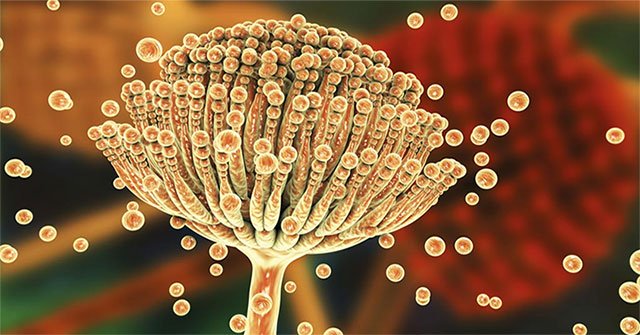
Vietnam is the world leader in the number of invasive lung fungi, with about 15,000 patients each year, mainly due to Aspergillus.